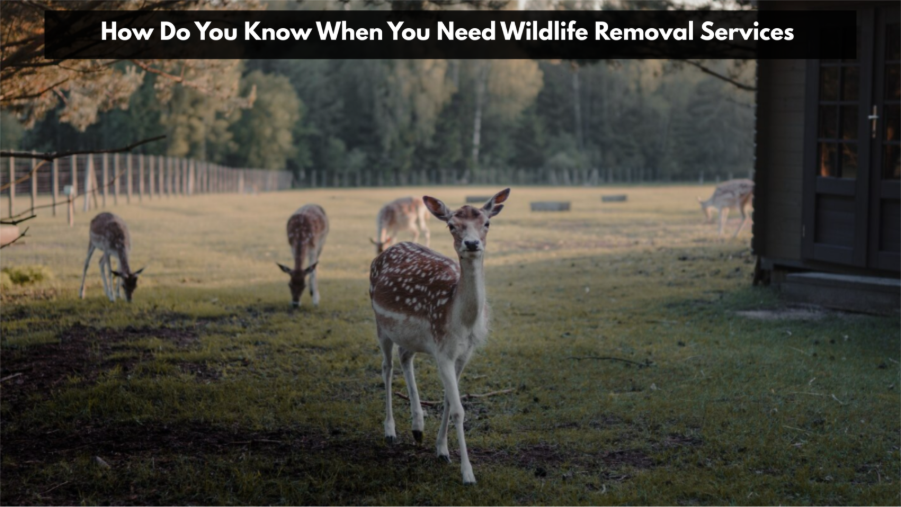
The wildlife intrusion is one of the most frequent problems that numerous homeowners encounter, but it is not taken seriously until it starts to cause observable inconveniences. Raccoons, squirrels, bats, rodents, and various animals are always in need of shelter, food, and proper nesting areas.
Although occasional wildlife viewing may be considered harmless, the frequent encroachment may lead to structural damage, weakening insulation, contaminating the environment, and posing health risks to your family.
It is essential that these intrusions are detected at an early stage, as a timely response can help avoid the expensive repairs and long-term infestations. Being aware of the minor details of wildlife presence enables residents to solve problems before they get out of control.
Knowing such signs can not only save your property, but it also makes the living environment safer and cleaner. The following points describe the warning signs that you need to be careful of as a homeowner, which allow you to know when you should take effective action.
1. Noises Coming from Attics, Walls, or Crawlspaces
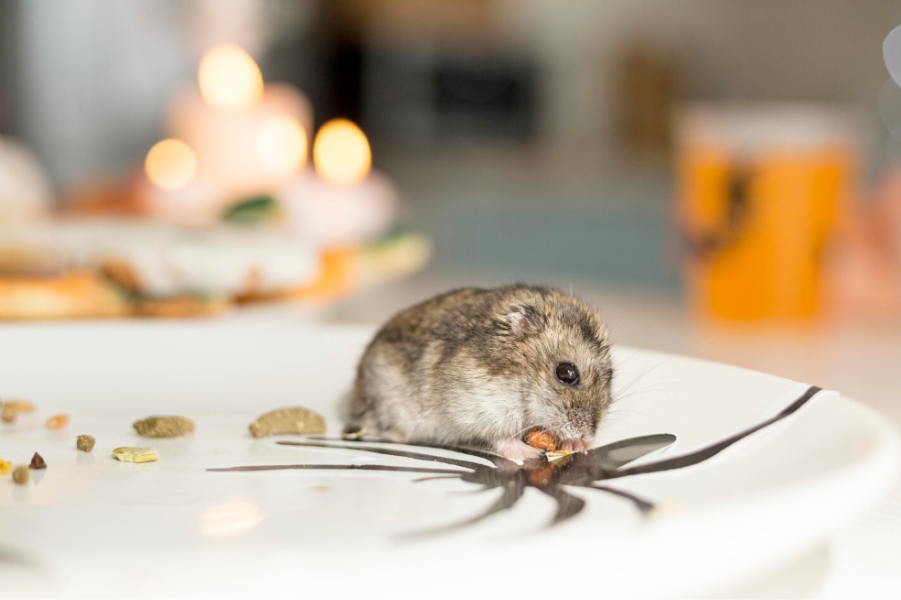
One of the earliest indicators of wildlife invasion is the unusual sounds within your house. Scratching, scurrying, or thumping sounds, particularly at night, usually indicate that some animals have found their way into hidden spaces like attics, walls, or crawlspaces. The sounds may differ depending on the animal species, with rodents making small but rapid sounds and big animals making heavier thumps.
Over time, these sounds might become more common or louder, which is an indication of growing populations or increased movement. Not paying attention to them may result in damage as animals may chew on insulation, wiring, or wood, causing a fire hazard as well as structural problems.
That said, early identification of such sounds would enable effective and safe wildlife removal. By taking action early, you avoid escalation, and professional actions can get rid of the problem before further damage has been caused, thus protecting your home and family.
2. Damage to Your Roof, Vents, Insulation, or Wiring
A clear indication that animals are residing in or near your property is physical damage. Chewed wires, torn insulation, broken vents, and holes in walls and roofs are all signs that wildlife tries to reach protected spaces. Such issues not only impact the structural integrity of your home but also pose potential hazards.
In many cases, this damage can only be observed once it has progressed. As an example, squirrels or raccoons may chew roof shingles or soffits and get access to attics, leaving your house vulnerable to water or additional decay.
Professional wildlife removal addresses both the animals and the damage that occurs. Closing the entry points, replacing insulation, and strengthening the weak spots preserve your home by making it safe and sustaining its lifespan, while preventing the occurrence of further infestation.
3. Droppings, Nests, or Strong Odors Indoors
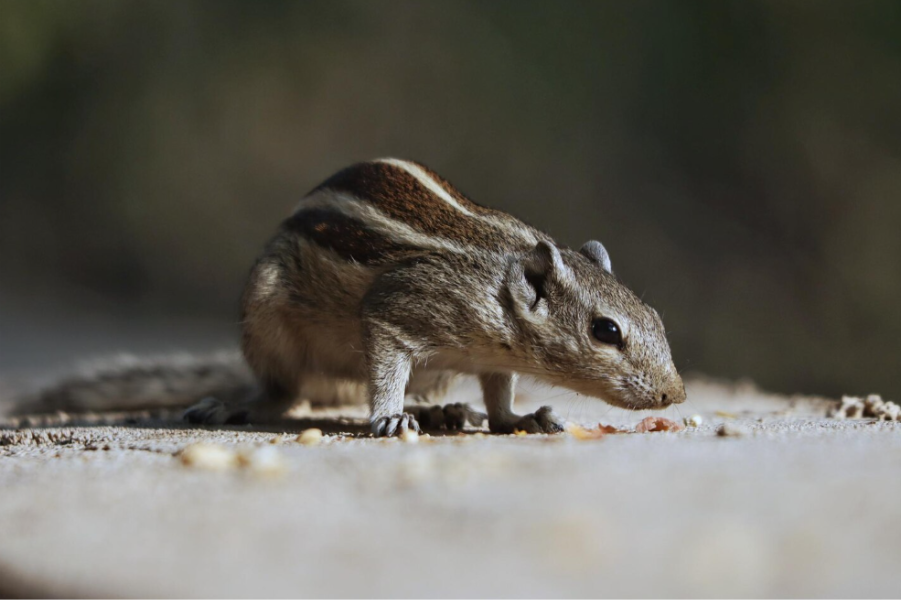
The discovery of droppings or a nest in your house is a clear indication that wildlife has settled around the house. Bat guano and rodent droppings can be a source of dangerous bacteria and viruses that can be dangerous if left untreated.
In addition to waste, there are usually strong or unusual odors, which are caused by urine or decaying organic material. These odors mean that the animals have been inhabiting the area for a long time, which can affect the quality of indoor air and make the living environment unpleasant.
Early identification of these signs enables effective and safe elimination of wildlife. To ensure the house is clean and safe, professionals remove animals, treat the impacted zone, and implement exclusion techniques to avoid further attacks.
4. Increased Aggressive or Bold Wildlife Behavior Around Your Home
When wildlife starts acting boldly or aggressively, it is a strong sign that professional help is needed. Animals may come close to pets, search for food during the day, or try to enter your home, which usually means they have become comfortable around humans or are making a home close to your property.
Moreover, aggressive wildlife poses safety risks to both people and pets. Raccoons can bite when threatened, and skunks may spray defensively. Even seemingly harmless animals, such as squirrels, can cause property damage if cornered or startled.
Prompt wildlife removal ensures the safety of your household. Experts handle animals humanely, reduce risks, and implement measures to discourage repeated intrusion, protecting both your property and the people who live there.
5. Seasonal Nesting or Breeding Activity on Your Property
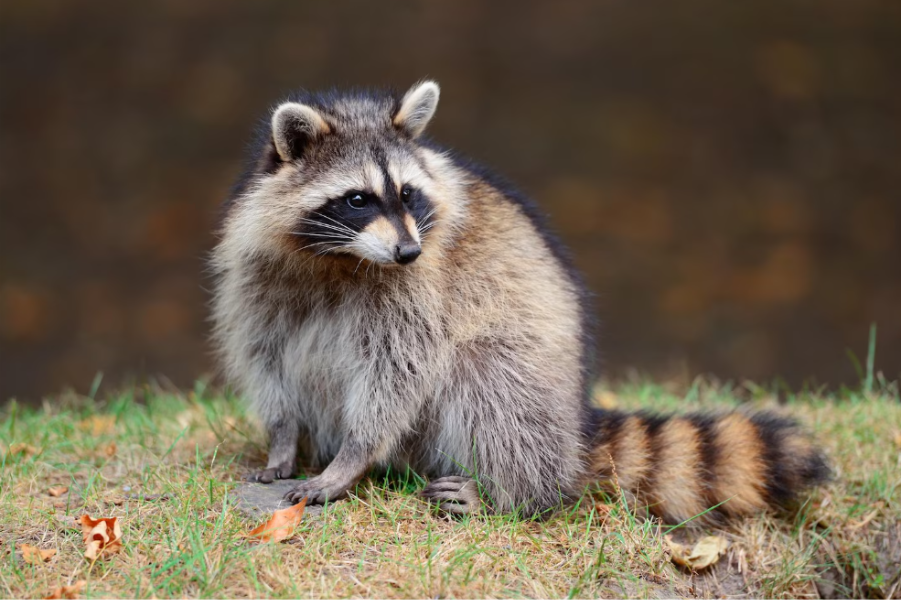
Certain seasons, particularly spring and early summer, bring increased wildlife activity as animals seek safe locations to raise their young. During this time, intrusions into attics, wall cavities, and roof spaces become more frequent, often resulting in multiple animals occupying the same area.
Besides, repeated sightings or evidence of nesting materials indicate that wildlife has established a breeding site. Ignoring these signs allows populations to grow quickly, leading to more extensive property damage and heightened health risks.
Professional wildlife removal during nesting seasons not only removes adult animals safely but also ensures the young are protected. Exclusion measures prevent future nesting, preserving the safety, cleanliness, and structural integrity of your property.
Conclusion
Wildlife intrusions can quickly escalate if left unaddressed, leading to unexpected challenges for homeowners. Taking proactive measures to monitor your property and respond to unusual activity ensures problems are managed safely and efficiently.
Engaging professional wildlife removal services provides a reliable solution that prioritizes safety, humane handling, and long-term prevention. Acting early not only protects your home and family but also restores peace of mind, allowing you to maintain a secure, comfortable, and healthy living environment free from unwanted animal disturbances.