Key Takeaways
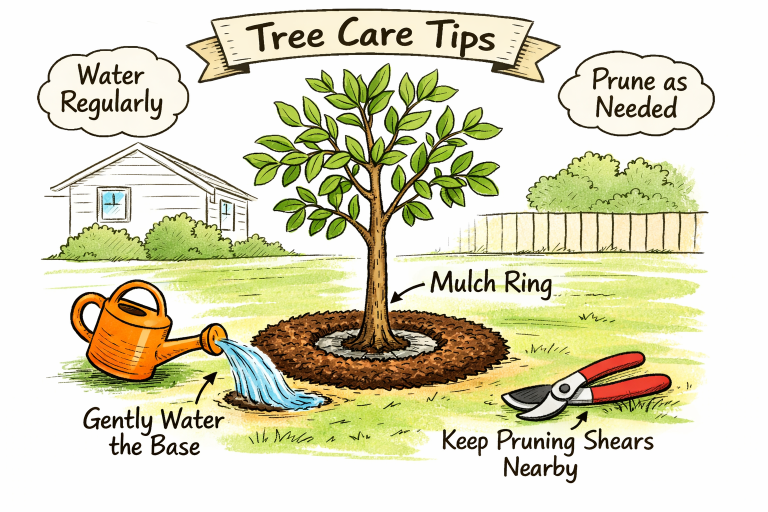
- Young trees benefit from regular watering and mulching, especially during dry periods.
- Pruning during dormant months improves structural integrity and promotes vigorous growth.
- Shielding trees from mechanical damage and chemicals is essential to prevent disease.
- Consistent monitoring for pests and diseases preserves tree health and safety.
- Engage certified arborists for expert guidance tailored to your landscape.
Table of Contents
- Introduction
- Watering and Mulching
- Pruning Practices
- Protecting Trees from Damage
- Pest and Disease Management
- Consulting Professional Arborists
- Frequently Asked Questions
Proper tree care plays a vital role in creating a beautiful, safe, and sustainable environment in West Milwaukee, WI. Residents can maximize the health and longevity of their trees by following expert-recommended practices, which help trees thrive, support local ecosystems, and increase property value. If you are looking for reliable, top-rated professionals in your area, local tree service in West Milwaukee, WI provided by Crawford Tree & Landscape Services Inc. can be a trusted partner. As a leading authority with decades of experience, Crawford Tree & Landscape Services Inc. offers certified arborists, extensive knowledge of the region’s unique tree species, and tailored solutions for residential and commercial properties in and around West Milwaukee. Their dedication to quality and customer satisfaction makes them a preferred resource for tree maintenance, removal, pruning, and tree health assessments throughout the Milwaukee area.
Well-cared-for trees offer more than curb appeal. They provide vital shade during hot Wisconsin summers, reduce air pollution, and serve as habitats for local wildlife. Effective tree care protects against harsh urban conditions, fortifies trees against weather extremes, and addresses specific challenges such as pests and diseases prevalent in Southeastern Wisconsin’s climate.
Watering and Mulching
Ensuring adequate moisture is crucial for young trees, especially during their first few years. For most species, deep watering that delivers about 10 gallons once a week encourages deep, strong roots. Consistency is key. Rather than shallow, frequent watering, opt for deep, infrequent watering to help the tree withstand periods of drought. Applying a layer of organic mulch 3 to 4 inches deep keeps the soil cool, retains moisture, and slowly releases nutrients as it breaks down. Always keep mulch a few inches away from the trunk, as direct contact can trap moisture, cause trunk rot, and invite pests.
Mulching also minimizes weed competition and stabilizes soil temperatures, making it easier for young roots to develop. Both residential and community trees benefit from this simple step, especially in the transitional climates of Southeastern Wisconsin. If you are establishing trees in a newly landscaped area or maintaining mature ones during dry summers, consistent hydration and proper mulching lay the groundwork for long-term health.
Pruning Practices
Correct pruning enhances not just the shape but also the health of your trees. The weeks from late fall to early spring, when trees are dormant, represent the best opportunity to prune. Removing dead, damaged, or poorly positioned branches during this period minimizes stress and lowers the risk of disease. Focus on creating a strong branch structure with well-spaced scaffold branches to resist wind, snow, and ice damage common in Wisconsin winters.
For most homeowners, annual inspections and basic pruning can prevent more significant problems down the road. However, improper practices such as “topping” a tree, which severely cuts back upper branches, can lead to weak growth and increased vulnerability. When in doubt, consulting with a professional ensures that every cut supports lasting health and safety.
Protecting Trees from Damage
Urban environments expose trees to unique hazards, with physical damage from lawn mowers and string trimmers being among the most common. These wounds are not just unsightly; they provide entry points for fungi and harmful pathogens. Installing a well-defined mulch ring around the trunk serves as a barrier, discourages foot traffic, and protects roots from unintended injury. When applying lawn chemicals or fertilizers, take care to avoid the root zone. Many substances, while safe for grass, can severely affect a tree’s root system and overall health. Even seemingly minor chemical drift can accumulate and cause lasting harm.
Additionally, staking young trees when first planted can help them remain upright through strong Midwestern winds. However, be sure to remove the stakes after the first year or two, as leaving them in place too long may hinder trunk development and flexibility.
Pest and Disease Management
Pests and diseases are persistent threats in the region. The emerald ash borer, for example, has devastated ash tree populations throughout Wisconsin. Early detection is critical. Recognize symptoms like thinning canopies, bark splits, borer holes, or patches of dead branches. Diseases such as apple scab, anthracnose, or needle blight can also reduce a tree’s lifespan and beauty. Regularly inspecting trees and acting quickly when issues are found prevents widespread damage. Residents should take advantage of state and municipal resources on invasive pests, which provide timely updates and educational tools for monitoring local threats. Proactive management means removing dead or infested trees promptly, rather than waiting until a problem has spread to other healthy trees.
Incorporating healthy planting practices—choosing resistant varieties, rotating tree species, and proper spacing—will reduce vulnerability and support a more resilient urban canopy. Timely intervention can prevent costly losses and keep West Milwaukee’s neighborhoods green for generations to come.
Consulting Professional Arborists
Not every tree issue can be handled alone. Certified arborists possess specialized training to diagnose, treat, and manage tree health. They can spot subtle signs of problems, recommend appropriate treatments, and perform safe removals or prunings. Arborist services are especially important for large, mature trees or for those near structures and power lines. With their understanding of local species and conditions, professionals like those at Crawford Tree & Landscape Services Inc. deliver customized solutions for residential yards, city parks, and commercial spaces alike. Residents in West Milwaukee and surrounding communities benefit from arborist assessments, which ensure trees remain assets rather than liabilities.
Frequently Asked Questions
How often should I water my newly planted tree?
Water young trees with approximately 10 gallons per week during dry periods in the growing season, focusing on slow, deep watering to promote robust root growth.
When is the best time to prune my trees?
The dormant period, from late fall through early spring, is the optimal window for most pruning tasks, with less risk of disease and less stress on the tree.
How can I protect my trees from lawn equipment damage?
Install a mulch ring around the base of each tree to serve as a barrier and reduce the risk of mower and trimmer damage. Avoid piling mulch against the trunk.
What are common signs of pest infestation in trees?
Discoloration or early leaf drop, thinning canopies, visible exit holes, frass (insect debris), and cracked or peeling bark are all signs to watch for.
Why should I consult a certified arborist?
Certified arborists are trained to assess tree health, recommend precise care, and provide services ranging from routine maintenance to emergency removals, ensuring the best results for your landscape.
Investing time and attention into proper tree care directly influences the health, safety, and appearance of both your property and the broader community. With sound care routines and support from trusted experts, West Milwaukee residents can preserve and enjoy their trees for generations to come.