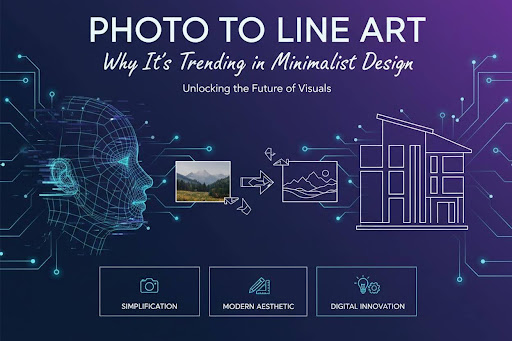
Photo to Line Art and Minimalist Trends
Minimalism has evolved far beyond simple color palettes and empty space—it has become a philosophy of visual clarity, emotional restraint, and intentional storytelling. In this context, Photo to Line Art has emerged as a powerful creative technique, bridging the gap between photography and illustration. By transforming detailed images into clean, expressive outlines, Photo to Line Art enables creators to strip visuals down to their essence while preserving meaning.
The growing popularity of Photo to Line Art is not accidental. It aligns perfectly with the increasing demand for aesthetic simplicity across digital platforms, branding, and personal expression. As audiences become more visually saturated, they are drawn toward designs that feel lighter, cleaner, and more intentional. This blog explores why this trend is gaining traction, how it is used in real-world scenarios, and how tools like Colorify AI Photo to Line Art are making it more accessible than ever.
The Connection Between Photo to Line Art and Minimalist Trends
The Core Philosophy of Minimalist Design
Minimalist design focuses on removing unnecessary elements to highlight what truly matters. This approach values clarity, balance, and negative space over complexity. In a world overloaded with visual noise, minimalist aesthetics provide a sense of calm and focus.
Photo to Line Art fits seamlessly into this philosophy. By converting a photograph into simple outlines, it removes textures, colors, and distractions, leaving behind only the essential structure. This transformation echoes the core principle of minimalism: less, but better.
Why Photo to Line Art Enhances Visual Clarity
One of the strongest advantages of Photo to Line Art is its ability to distill complexity into clarity. A photograph may contain countless details—lighting variations, shadows, colors—but a line art version reduces all of that into a readable and elegant form.
This clarity is especially valuable in modern design contexts such as:
- Website interfaces
- Branding materials
- Social media graphics
Line art allows viewers to quickly understand the subject without cognitive overload. It communicates faster and more effectively, which is crucial in today’s fast-scrolling digital environment.
The Rise of Simplified Aesthetics in Digital Culture
Digital platforms like Instagram, Pinterest, and TikTok have accelerated the demand for visually cohesive and recognizable styles. Minimalist visuals, including line art, perform well because they are:
- Instantly recognizable
- Easy to consume
- Highly shareable
Photo to Line Art has become a trend because it meets all these criteria. It transforms everyday images into stylized content that feels curated and intentional. This aligns with the broader cultural shift toward “less clutter, more meaning” in both personal and professional design.
Practical Use Cases and Social Media Impact of Photo to Line Art
Personal Branding and Profile Aesthetics
One of the most common uses of Photo to Line Art is in personal branding. Creators, influencers, and professionals use line art portraits as profile pictures or signature visuals. These images stand out because they are unique yet minimal.
A line art portrait communicates personality while maintaining a polished, modern look. It also creates a consistent visual identity across platforms, which is essential for building recognition.
Family portrait to line art
Social Media Content That Drives Engagement
Line art content often performs exceptionally well on social media. Its clean and artistic appearance attracts attention in crowded feeds. Additionally, it encourages interaction because:
- It feels creative and different
- It invites curiosity about the transformation process
- It aligns with trending aesthetic styles
Creators can use Photo to Line Art to transform everyday photos into visually appealing posts, increasing likes, shares, and saves.
Digital Products and Creative Assets
Photo to Line Art is widely used in creating digital products such as:
- Printable art
- Stickers
- Coloring pages
- Logo designs
These products benefit from the simplicity and versatility of line art. They can be easily adapted to different formats and audiences, making them ideal for creators looking to monetize their designs.
Marketing and Branding Applications
Businesses are also adopting Photo to Line Art in their branding strategies. Line art visuals can:
- Enhance packaging design
- Create elegant advertising visuals
- Simplify complex product imagery
This approach helps brands appear modern, clean, and sophisticated, which resonates with contemporary consumers.
How Colorify AI Photo to Line Art Boosts Creative Influence
Colorify AI Photo to Line Art simplifies the entire process of creating line art from photos. Instead of requiring advanced design skills or expensive software, users can generate high-quality line art instantly.
This accessibility has a direct impact on creative influence:
- More people can participate in the trend
- Content creation becomes faster and more consistent
- Visual quality remains high without professional tools
As a result, creators can focus more on storytelling and less on technical barriers.
Achieving Zero-Cost Creativity with Colorify AI Photo to Line Art
One of the most compelling aspects of using Colorify AI Photo to Line Art is the ability to create professional-looking visuals at zero cost. This opens up opportunities for:
- Beginners exploring design
- Small businesses with limited budgets
- Content creators seeking scalable solutions
By eliminating the need for paid software or outsourcing, users can experiment freely and produce high-quality content without financial constraints. This democratization of design is a key factor behind the growing popularity of Photo to Line Art.
Trendy Features and Creative Possibilities of Colorify AI Photo to Line Art
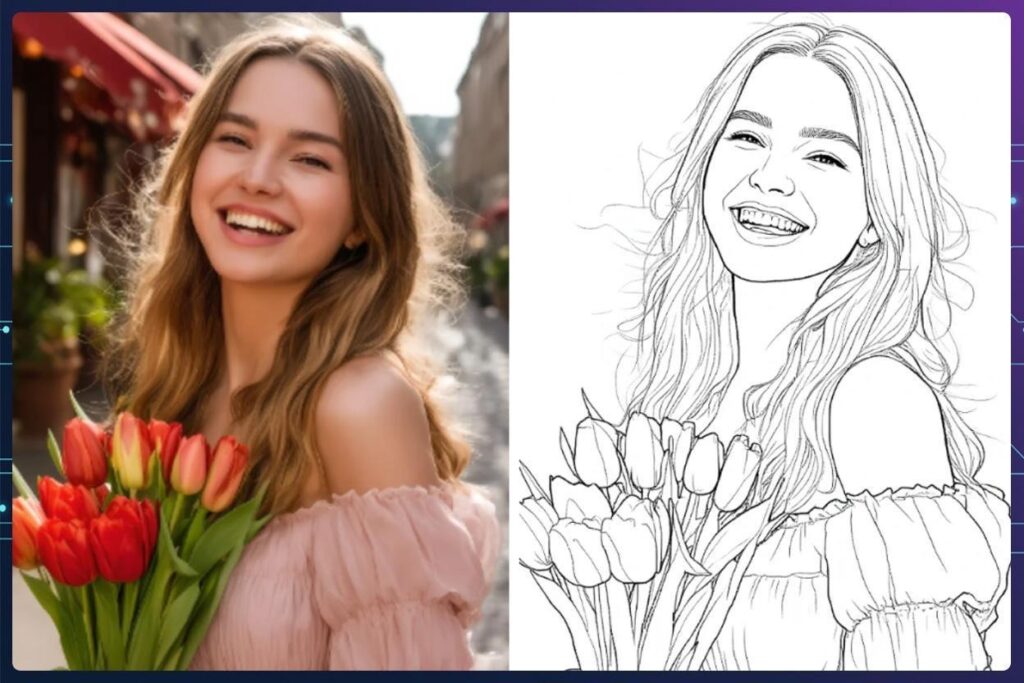
Personal photos to line art illustrations
Instant Transformation with AI Precision
Colorify AI Photo to Line Art uses advanced algorithms to accurately detect edges and contours. This ensures that the resulting line art retains the essence of the original image while achieving a clean, minimalist look.
The speed and precision of this process make it ideal for both casual users and professionals.
Customizable Styles for Diverse Aesthetics
Modern line art is not limited to a single style. Colorify AI Photo to Line Art offers flexibility in output, allowing users to experiment with:
- Thin or bold lines
- Abstract or detailed interpretations
- Artistic variations tailored to different themes
This versatility enables creators to align their visuals with specific branding or artistic goals.
Seamless Integration into Creative Workflows
Another advantage of Colorify AI Photo to Line Art is its compatibility with various creative workflows. Users can easily incorporate generated line art into:
- Graphic design projects
- Social media campaigns
- Digital art compositions
This seamless integration saves time and enhances productivity.
Accessibility for All Skill Levels
Perhaps the most impactful feature is accessibility. Whether someone is a professional designer or a complete beginner, Colorify AI Photo to Line Art provides an intuitive way to create high-quality visuals.
This inclusivity is driving the widespread adoption of Photo to Line Art, as it empowers more people to explore minimalist design without technical limitations.
Conclusion: Photo to Line Art Defines Minimalist Creativity
Photo to Line Art is more than just a visual trend—it represents a shift toward clarity, simplicity, and meaningful design. As minimalist aesthetics continue to dominate digital culture, this technique offers a powerful way to transform complex imagery into elegant, impactful visuals.
With tools like Colorify AI Photo to Line Art making the process accessible and cost-effective, the barrier to entry has never been lower. Whether for personal branding, social media content, or professional design, Photo to Line Art is shaping the future of minimalist creativity.