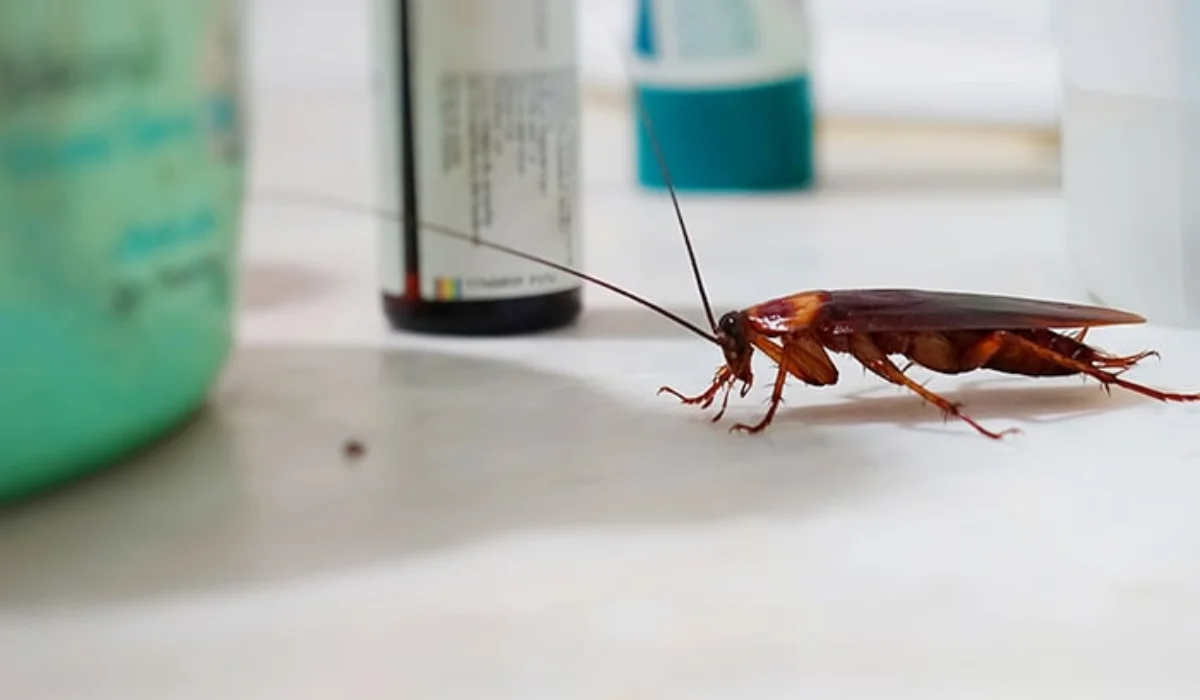
You clean your kitchen regularly, wipe surfaces, and keep everything organised, yet cockroaches still appear near the same area. This often feels confusing because the visible space looks hygienic. In many homes, the issue starts beneath the surface rather than on the surface. Areas under stone kitchen benchtops can trap moisture from daily use, creating conditions that are not immediately visible but highly attractive to pests. Over time, this hidden moisture becomes a stable water source, allowing cockroaches to settle behind walls and cabinetry without being noticed until the problem grows.
Why Moisture Builds Up Beneath Benchtops
Moisture accumulation in kitchens is rarely obvious. Small plumbing leaks, condensation from appliances, or even minor spills can create damp zones under benchtops. These areas are often enclosed, poorly ventilated, and rarely inspected.
Even a slow drip under a sink or slight condensation near a dishwasher can provide enough water to sustain cockroaches. Kitchens naturally produce humidity through cooking and cleaning, and when that moisture has nowhere to escape, it settles into hidden spaces. Over time, these damp pockets become consistent and stable. That consistency is what attracts pests, not the size of the leak.
How Damp Conditions Attract Cockroaches
Cockroaches are not drawn to visible dirt as much as they are to the combination of moisture, food, and shelter. Among these, water is often the most critical factor. They can survive for weeks without food, but not long without water.
This is why damp areas under benchtops, inside cabinets, or near plumbing lines become ideal hiding spots. These locations provide a reliable water source along with darkness and protection. Even in well-maintained kitchens, moisture alone can be enough to attract them. Once one cockroach finds a suitable environment, others often follow, and a small issue can quickly turn into a cockroach infestation.
What Happens Behind the Wall
Moisture beneath a benchtop does not stay contained. It often spreads into nearby materials such as wall cavities, timber, or insulation. These areas create a protected environment where cockroaches can live and reproduce. Behind the wall, conditions are stable. There is minimal disturbance, consistent humidity, and plenty of narrow spaces for hiding. Cockroaches prefer these tight, enclosed areas because they offer safety during the day.
They typically nest in cracks, gaps, and cavities close to moisture sources. Once nesting begins, the infestation can grow without any visible signs in the main kitchen area.
The Role of Food Residue You Do Not See
While moisture is essential, it is rarely the only factor. Small amounts of food residue often collect in the same hidden spaces. Crumbs, grease, and organic debris can slip through gaps or settle behind cabinets and under benchtops. Even tiny amounts are enough to support cockroach activity.
Kitchens naturally provide all three elements cockroaches need: food, water, and shelter. When these elements exist together in concealed areas, they create a complete environment for infestation.
Why the Problem Remains Hidden
One of the main reasons this issue persists is that it develops out of sight. Cleaning routines focus on visible surfaces, not what is happening underneath. Homeowners rarely inspect areas such as the underside of benchtops, plumbing entry points, or the back of cabinets. As a result, early warning signs go unnoticed.
Cockroaches can remain hidden in these areas for long periods. They usually emerge only at night, which makes detection even more difficult. By the time they are seen regularly, the infestation is often well established.
Why Cleaning Alone Does Not Solve It
Regular cleaning helps reduce visible dirt, but it does not eliminate the conditions attracting cockroaches. Surface cleaning does not remove hidden moisture or address nesting areas behind walls. It also does not seal entry points or stop insects from accessing damp spaces. This is why cockroaches continue to appear even in kitchens that are otherwise clean. The source of the problem remains untouched.
Why Moisture Leads to Recurring Infestations
Moisture creates a repeating cycle. As long as damp conditions remain, cockroaches will continue to return. They use hidden pathways such as gaps behind cabinets, spaces around pipes, and wall cavities to move between areas. These pathways allow them to stay out of sight while still accessing water and food.
Because the environment remains stable, removing a few visible cockroaches does not solve the problem. New ones will continue to emerge from hidden nesting areas, which is why broader cockroach control is often needed rather than spot treatments alone.
When Professional Help Becomes Necessary
When infestations develop behind walls, identifying the source becomes more complex. It is no longer just about removing visible pests.
A professional pest exterminator focuses on locating hidden moisture, identifying nesting zones, and treating areas that are not easily accessible. This includes spaces behind cabinetry, inside wall cavities, and around plumbing systems. Without addressing these hidden conditions, the infestation is likely to persist regardless of surface cleaning efforts. A thorough pest inspection at this stage can reveal the full extent of activity and guide proper treatment.
Practical Steps to Reduce the Risk
Reducing moisture is the most important step. Fix leaks as soon as they appear, even if they seem minor. Dry areas under sinks and around appliances regularly.
Sealing gaps around benchtops and cabinets helps prevent both moisture build-up and pest entry. Improving ventilation in the kitchen can also reduce humidity levels.
It is also important to monitor recurring problem areas. If cockroach activity keeps appearing in the same spot, it usually indicates a hidden moisture source nearby.
Conclusion
Moisture beneath kitchen surfaces can quietly create the ideal conditions for cockroaches to thrive behind walls. What appears to be a clean and controlled environment may still support hidden infestation if damp areas go unnoticed. No kitchen material or setup is completely immune to this issue. Understanding how moisture, food residue, and shelter interact allows homeowners to make more informed decisions. Addressing these underlying factors early can prevent recurring infestations and reduce long-term structural and hygiene concerns.
FAQs
1. Can cockroaches live behind kitchen walls? Yes. Wall cavities provide dark, protected spaces where cockroaches can nest and reproduce without disturbance.
2. Why are cockroaches attracted to moisture? They need water to survive and are naturally drawn to damp environments where it is consistently available.
3. Can a clean kitchen still have cockroaches? Yes, because hidden moisture and small food residues can exist even in well-maintained spaces.
4. How do cockroaches enter behind benchtops? They enter through small gaps, cracks, and openings around plumbing and cabinetry.
5. Is fixing a leak enough to stop them? Fixing leaks helps, but sealing entry points and addressing nesting areas is also necessary.
6. When should I call a professional? If cockroaches keep returning despite cleaning and repairs, it usually indicates a hidden infestation that requires professional inspection.