Clutches don’t just quit out of the blue. They like to drop hints first. The real question is: are you noticing what your clutch is trying to tell you?
Clutch Warnings
Here are five common symptoms of clutch problems:
- Slipping
You step on the gas, the engine roars, but your truck just doesn’t accelerate the way it should. That’s classic clutch slip: the engine is working, but the power isn’t making it to the wheels.
Slipping usually shows up first when you’re pulling a heavy load or climbing a grade. The clutch can’t handle the torque demand anymore, so it slips instead of gripping. You’ll feel it as a disconnect between what the engine is doing and what the truck is doing.
If you find yourself downshifting more than usual just to keep moving, or revving the engine higher than normal to get going, chances are your clutch is getting tired.
- Feeling
Your clutch pedal should feel the same every time you press it, with steady resistance, and a clear spot where it grabs. If that changes, something’s up.
- If the pedal suddenly feels soft or spongy, you might have air in the hydraulic system or a failing master/slave cylinder.
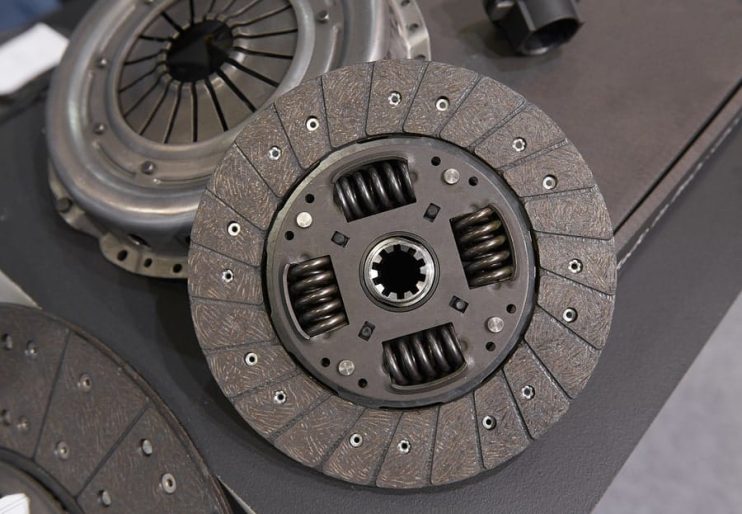
- If it’s grabbing at a different point than it used to, engaging too high or too low, the clutch disc is wearing unevenly, or the pressure plate is losing clamping force.
- A pedal that suddenly feels like a workout to push could mean there’s a problem with the linkage or the pressure plate.
Bottom line: if your clutch pedal starts acting differently, don’t ignore it.
- Smelling
Clutches work by creating friction, which generates heat. If your clutch is slipping too much, you’ll smell it, a sharp, burnt smell that’s not quite like oil or hot brakes. If you catch a whiff of burning after taking off from a stop or after a long climb, your clutch is probably overheating. A little smell now and then isn’t the end of the world, but if it’s happening a lot, your clutch is working overtime and wearing out fast.
- Struggling
A worn clutch might not let go all the way, which makes shifting a pain. You might grind gears trying to get into first or reverse, or have trouble shifting smoothly while driving. Sure, these problems could be caused by the linkage, hydraulics, or even the transmission, but if you’re also noticing slipping or changes in the pedal, the clutch is probably to blame.
- Chattering
If you let out the clutch and your truck shudders or vibrates instead of moving off smoothly, that’s called clutch chatter. It usually means the friction surface is oily, the pressure plate has gotten too hot, or the clutch disc is warped. Sometimes engine mounts or the flywheel can cause similar shaking, but if it only happens when you’re letting out the clutch, the clutch itself is likely the troublemaker.
Clutch Life
Normal wear happens over time; clutches are consumable parts that eventually need replacement. But some driving habits accelerate wear significantly.
- Riding the clutch (keeping your foot on the pedal while driving) creates constant friction and heat.
- Slipping the clutch excessively when pulling away from stops wears the friction material faster.
- Downshifting improperly or “lugging” the engine in too high a gear puts extra stress on the clutch.
- Heavy loads and frequent stop-and-go driving also wear clutches faster than highway cruising.
How long a clutch lasts really depends. A highway truck with a careful driver might see 500,000 miles or more before needing a new clutch. But a city delivery truck that’s stopping and starting all day might need a replacement at 100,000 to 150,000 miles.
If you’re shopping for used equipment and you see semi trucks for sale in Dallas or elsewhere, ask about the condition of the clutch and its replacement history.
Listen to Your Clutch
Don’t ignore the symptoms and hope they go away. A failing clutch always gets worse, not better, and driving on a slipping clutch can damage the flywheel and pressure plate, making a clutch replacement much more expensive.
Your clutch will tell you when it’s wearing out. Pay attention.