Key Takeaways
- Establishing healthy routines significantly enhances the likelihood of maintaining long-term sobriety.
- Holistic approaches, including physical activity and mindfulness, support overall well-being and reduce relapse risks.
- Building a strong support network is crucial for sustained recovery.
Introduction
Attaining sobriety marks an important step in overcoming addiction, but the journey does not end there. Sustaining that accomplishment and avoiding relapse requires consistent effort, structured practices, and ongoing self-awareness. As someone embarking on this journey, it is critical to build strong habits that support lasting sobriety and overall wellness. Seeking specialized support, such as Drug Rehab in Massachusetts, can be a foundational part of a long-term strategy. People who commit to sustainable recovery gain the confidence and resilience needed to face life’s complexities without returning to substance use. Recovery is never just about abstaining from alcohol or drugs; it involves creating a life that feels meaningful and fulfilled without relying on substances for comfort or escape. This article highlights key, research-backed strategies for supporting long-term sobriety. Whether you are at the beginning of your recovery or looking to strengthen your ongoing journey, these practices can help you maintain progress and build a more rewarding life. Each section offers actionable advice and guidance for fostering lasting change.
Establishing Healthy Routines
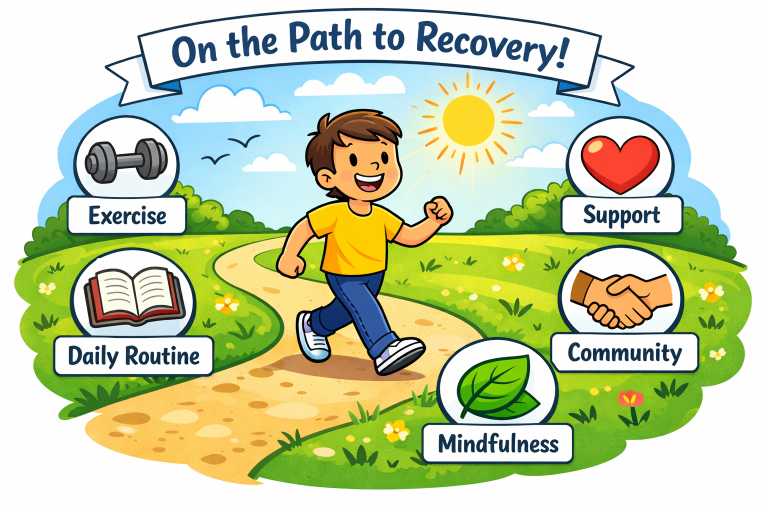
Routine is one of the strongest tools for people recovering from addiction. By organizing your day and sticking to a consistent schedule, you lessen the likelihood of facing unstructured time that can lead to cravings and relapse. Focus on basics like regular sleep patterns, purposeful meal times, and daily activities such as work, volunteering, or hobbies. These simple habits stabilize mood and energy, supplying small successes that build self-esteem.
Incorporating Physical Activity
Exercise is not only important for physical health but also a powerful ally in emotional well-being. For individuals in recovery, regular movement releases endorphins and reduces stress, anxiety, and depression. Physical activity replaces the artificial highs of substance use with a natural sense of accomplishment and pleasure. Incorporating activities like walking, swimming, yoga, or organized sports can also provide social connection and structure.
A recent study from Harvard Health Publishing explains how exercise directly improves brain function, enhances mood, and even increases the brain’s capacity to heal from past substance use, reinforcing its role in comprehensive recovery.
Practicing Mindfulness and Meditation
Mindfulness and meditation techniques empower individuals in recovery to observe their feelings and thoughts without reacting impulsively. These practices foster emotional regulation and resilience, supporting healthier responses to stress. Mindfulness can be as simple as spending a few quiet moments focusing on your breath or practicing guided meditation to check in with your emotions. Over time, these tools lead to greater self-awareness and lower risk of relapse.
Building a Support Network
No one should try to maintain sobriety alone. Building a supportive network of family, friends, healthcare professionals, or peers in recovery groups creates accountability and ongoing encouragement. Sharing experiences with others who understand the recovery journey offers relief and inspires hope. Group support—through 12-step programs or group therapy- can be especially beneficial for those struggling with isolation or self-doubt.
Engaging in Holistic Therapies
Supporting your recovery with holistic therapies can help you connect mind, body, and spirit. Activities like art therapy, music therapy, gardening, and outdoor recreation help process emotions and reconnect with personal interests and passions. Yoga and breathwork unite physical movement with mindfulness, giving you practical skills to manage stress and cravings without returning to old habits. These therapies function as important complements to traditional addiction treatments.
Setting Clear Boundaries
Identifying high-risk situations and setting clear personal boundaries is crucial to protecting your progress. This may involve avoiding people or places associated with previous substance use, turning down social invitations when necessary, or being honest about your needs with friends and family. Defining what is acceptable in your life and what is not establishes security and confidence, offering stability in uncertain moments.
Prioritizing Self-Care
Recovery is not just about what you leave behind, but also about what you learn to cultivate in its place. Self-care is foundational for long-term sobriety. This includes habits such as getting adequate sleep, proactively managing stress, making time for enjoyable hobbies, and prioritizing supportive relationships. Practicing forgiveness and self-compassion allows you to address setbacks without guilt, seeing them as opportunities for growth rather than reasons to give up.
Conclusion
Long-term sobriety is a continuous process that calls for steadfast commitment and flexibility along the way. By developing healthy routines, remaining physically active, adopting mindfulness strategies, networking with supportive individuals, integrating holistic therapies, maintaining boundaries, and focusing on self-care, you can build a sustainable foundation for lifelong recovery. Every step you take shapes a more hopeful, independent future, and your journey serves as an encouragement to others seeking freedom from addiction.