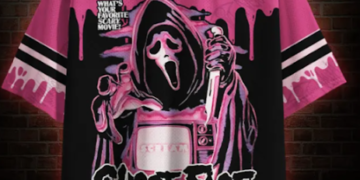
The custom apparel industry has always evolved alongside printing technology. From screen printing to embroidery, businesses and hobbyists alike have explored new ways to bring designs to life on fabric. Over the last few years, one particular method has quietly gained ground, challenging traditional techniques and creating new opportunities across the board.
That method is known as DTF printing.
What is DTF Printing?
DTF, or direct-to-film printing, is a relatively new approach to printing graphics on textiles. Unlike Direct-to-Garment (DTG) printing, where the design is printed directly onto the fabric, DTF involves printing the design onto a special film. The printed film is then coated with a hot melt adhesive powder and cured. Once ready, it can be heat-pressed onto a wide range of materials.
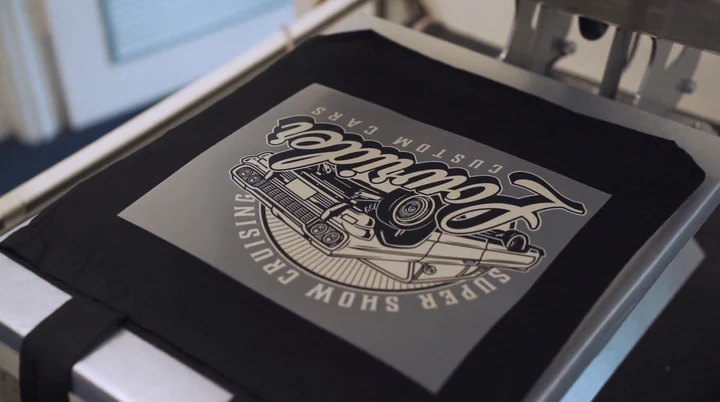
The process is straightforward. First, the design is printed onto PET film using a DTF printer. Next, the adhesive powder is applied while the ink is still wet. After a curing process, the film is ready to transfer. The final step involves placing the film onto the garment and applying heat and pressure. Once the film is peeled away, the graphic remains.
What makes this process so appealing is its versatility. Unlike DTG, DTF printing works well on cotton, polyester, blends and even non-textile materials in some cases. It also doesn’t require pre-treatment, which saves time and labor.
Why DTF Printing Is Growing in Popularity
Several factors contribute to the growing popularity of Direct-to-film printing. The most notable is its flexibility. One machine setup can print for many different fabric types. Print shops no longer need separate systems for cotton or polyester.
Another reason is the cost. For small to mid-sized businesses, DTF is more affordable than investing in screen printing equipment or multiple DTG units. It also provides great results in both short runs and larger batches.
The prints are vibrant and durable. They stand up well to washing and wear. Colors stay sharp, and cracking is minimal. This makes it a good option for producing retail-quality apparel without complex workflows.
For entrepreneurs, it’s an accessible entry point. Many small business owners and Etsy sellers are choosing DTF because it balances quality and cost, with less technical knowledge required than other methods.
DTF Printing vs Other Methods
When stacked against screen printing and DTG, DTF holds its own. In fact, it often outperforms them in key areas.
DTF vs DTG: DTG excels at printing directly on cotton. But it struggles with synthetic fabrics. DTF handles both. DTG also requires pretreatment and more maintenance. DTF skips pretreatment and needs less upkeep.
DTF vs Screen Printing: Screen printing is ideal for large volumes. It delivers consistent results at scale, but setup is labor-intensive and costly. DTF, by contrast, allows for full-color designs with no setup screens. It’s faster to prepare and more cost-effective for small runs.
Here’s a quick comparison:
| Feature | DTF | DTG | Screen Printing |
| Fabric Compatibility | High | Limited | High |
| Setup Cost | Medium | High | High |
| Order Volume | Low to High | Low to Medium | High |
| Color Quality | Vibrant | Good | Good |
| Durability | Excellent | Good | Excellent |
This flexibility is why more printers are exploring DTF for their core production needs.
How DTF Is Changing the Custom Apparel Industry
The custom apparel world is shifting. Before, only large operations could handle diverse print requests quickly. Now, small shops can offer short-run, high-quality prints on-demand.
Print-on-demand sellers benefit especially. Since DTF doesn’t need screens or pre-treatment, designs can be printed and shipped quickly. There’s less inventory risk and more room for creativity.
Local businesses are also embracing DTF. Custom orders for events, sports teams or branded merchandise can now be fulfilled without needing big volume commitments.
In addition, creators are using DTF to test new designs in real-time. Whether it’s an online store or a pop-up booth, the ability to produce designs quickly opens new doors for revenue.
Common Challenges and Considerations
Despite its strengths, DTF isn’t perfect. Like any technology, it comes with challenges.
New users may face a learning curve. Understanding film handling, powder application and curing temperatures takes practice. Mistakes in these steps can affect print quality.
Equipment costs vary. While entry-level DTF printers are affordable, high-volume shops may need more advanced setups. Maintenance, though less intensive than DTG, still requires care.
Sourcing good-quality film and powder is crucial. Inconsistent supplies can lead to lower quality prints or machine issues. Shops need to vet their suppliers carefully.
That said, many users report that once the initial workflow is learned, DTF becomes a reliable and scalable solution.
Future Outlook for DTF Printing
As technology improves, DTF is poised to grow even more. Manufacturers are already rolling out faster, more efficient printers. Some systems now automate powder application and curing, reducing manual steps and increasing consistency.
Sustainability is another area of focus. There’s growing interest in eco-friendly films and water-based inks. This could make DTF more appealing to environmentally-conscious brands.
Industry experts believe that DTF will continue to compete with, and possibly replace, some traditional methods for a majority of jobs. Its role in eCommerce, event merchandise and brand-building is only set to expand.
Conclusion
DTF printing has quickly become one of the most talked-about developments in apparel customization. Its ability to produce vivid, durable designs on many fabrics without complex setup gives it a clear edge for many applications.
While it may not replace every existing method, it offers a strong alternative that suits today’s fast-paced, flexible printing needs. Whether you’re a small business owner, designer or print-on-demand seller, DTF is worth exploring.
The custom apparel industry is changing. And DTF is leading the charge.
Read More My Next Mag