1. Introduction: Why Cold-Pressed Oils Are Gaining Attention
In recent years, there has been a noticeable shift toward natural, minimally processed foods—and cooking oils are no exception. As people become more conscious of what goes into their bodies, questions around oil quality, processing methods, and long-term health impacts are taking center stage. This growing awareness has brought cold-pressed oils(külmpressitud õli) into the spotlight.
Unlike heavily refined oils that undergo chemical treatments and high heat processing, cold-pressed oils are extracted using traditional, low-temperature methods that preserve their natural goodness. These oils are celebrated not just for their rich flavor and aroma, but also for the powerful health benefits they offer. In this comprehensive guide, we’ll explore what cold-pressed oils are, how they compare to refined oils, and why they are increasingly considered a healthier choice—truly benefits backed by nature.
2. What Are Cold-Pressed Oils? A Simple Explanation
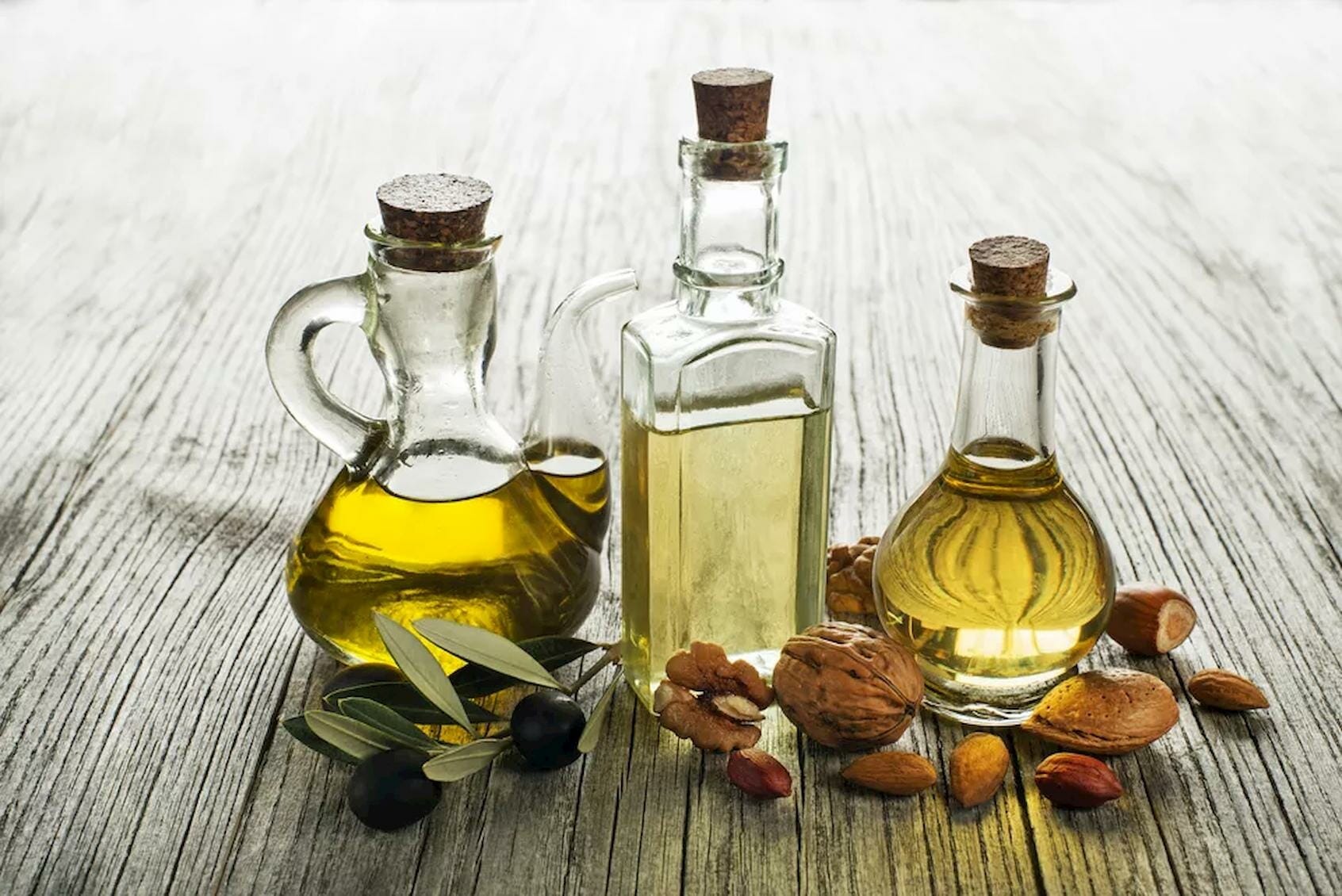
Cold-pressed oils are extracted from seeds, nuts, or fruits using mechanical pressure without applying excessive heat—typically below 40–50°C. This gentle process ensures that the oil retains its natural nutrients, antioxidants, and essential fatty acids.
Unlike industrial extraction methods, cold pressing does not involve chemical solvents, bleaching agents, or deodorization. As a result, the oil remains closer to its original, natural state, maintaining its color, aroma, and nutritional integrity. Common examples include cold-pressed olive oil, coconut oil, mustard oil, sesame oil, and groundnut oil.
Simply put, cold-pressed oils(šalto spaudimo aliejus) are oils in their purest, least-altered form.
3. Cold-Pressed Oils vs Refined Oils: A Clear Health Comparison
Understanding the difference between cold-pressed and refined oils is essential for making informed dietary choices.
Refined oils are produced using high heat, chemical solvents like hexane, and multiple processing steps such as bleaching and deodorizing. While this increases shelf life and neutralizes flavor, it significantly reduces the oil’s nutritional value. Many natural antioxidants and vitamins are destroyed during this process.
Cold-pressed oils, on the other hand, retain their natural nutrients and bioactive compounds. They contain beneficial fats, vitamins, and antioxidants that support overall health. Additionally, they are free from harmful chemical residues often associated with refined oils.
From a health perspective, cold-pressed oils offer superior nutritional value, better digestion, and fewer long-term health risks.
4. Nutritional Profile of Cold-Pressed Oils
One of the biggest advantages of cold-pressed oils is their rich nutritional composition. These oils are naturally high in:
- Monounsaturated and polyunsaturated fats (MUFA & PUFA): Essential for heart health and cholesterol balance
- Vitamin E: A powerful antioxidant that supports skin health and immunity
- Omega-3 and Omega-6 fatty acids: Crucial for brain function and inflammation control
- Natural antioxidants and phytochemicals: Help combat oxidative stress
Because cold-pressed oils are not exposed to extreme heat, these nutrients remain intact—making them far more beneficial than their refined counterparts.
5. Key Health Benefits of Cold-Pressed Oils
Supports Heart Health
Cold-pressed oils are rich in healthy fats that help regulate cholesterol levels. Oils such as cold-pressed olive oil are known to increase good HDL cholesterol while reducing bad LDL cholesterol. The natural antioxidants present also help reduce inflammation and protect blood vessels, lowering the risk of cardiovascular diseases.
Aids Digestion and Gut Health
Because cold-pressed oils retain their natural structure, they are easier for the body to digest. Oils like sesame and mustard stimulate digestive enzymes and support better nutrient absorption. This makes them especially beneficial for people with sensitive digestion.
Promotes Healthy Skin and Hair
Cold-pressed oils are widely used for both internal and external wellness. Their high vitamin E and essential fatty acid content helps nourish the skin from within, improving elasticity and hydration. Applied externally, oils like coconut and almond oil help repair damaged hair, soothe dry skin, and promote natural glow.
Boosts Immunity and Overall Wellness
The antioxidants found in cold-pressed oils help neutralize free radicals in the body, reducing oxidative stress and strengthening immune defenses. Regular consumption supports overall vitality and long-term wellness.
6. Popular Cold-Pressed Oils and Their Health Benefits
Different cold-pressed oils offer unique health advantages:
- Cold-Pressed Olive Oil: Excellent for heart and brain health, rich in antioxidants
- Cold-Pressed Coconut Oil: Supports metabolism, energy levels, and gut health
- Cold-Pressed Mustard Oil: Improves circulation and aids digestion
- Cold-Pressed Sesame Oil: Known for detoxifying properties and bone health support
- Cold-Pressed Groundnut Oil: Balanced fat profile, suitable for daily cooking
Using a variety of cold-pressed oils ensures a diverse intake of nutrients.
7. How to Use Cold-Pressed Oils for Maximum Health Benefits
To get the most out of cold-pressed oils, it’s important to use them correctly. Many are best suited for raw or low-heat applications such as salad dressings, dips, drizzling over cooked food, or light sautéing.
While some cold-pressed oils can handle moderate heat, excessive heating can still degrade nutrients. Always pay attention to smoke points and avoid overheating. Moderation is key—healthy oils are beneficial, but portion control remains important.
8. Cold-Pressed Oils Beyond Cooking: Wellness and Lifestyle Uses
Cold-pressed oils play a significant role beyond the kitchen. In Ayurveda and traditional medicine, oils like sesame and mustard are used for massage, oil pulling, and detox practices. Coconut oil is widely used as a natural remedy for dry skin, minor burns, and hair conditioning.
Incorporating cold-pressed oils into daily self-care routines supports a holistic, chemical-free lifestyle aligned with natural wellness principles.
9. How to Identify Genuine Cold-Pressed Oils
With rising demand, the market is full of misleading labels. To identify authentic cold-pressed oils:
- Look for “cold-pressed” or “wood-pressed” clearly mentioned on labels
- Choose oils packaged in dark glass bottles to prevent oxidation
- Check for short shelf life, which indicates minimal processing
- Avoid oils with artificial fragrance or overly neutral smell
Being informed helps ensure you’re truly benefiting from the oil’s natural properties.
10. Are Cold-Pressed Oils Right for Everyone?
Cold-pressed oils are widely celebrated for their natural nutrients, antioxidants, and healthy fats, making them suitable for most people. From young children to older adults, these oils can provide essential fatty acids and vitamins that support overall health. For example, children benefit from the healthy fats for brain development and energy, while elderly individuals can use oils like olive or sesame to support heart health, joint mobility, and skin hydration.
However, it is important to understand that even the healthiest oils should be part of a balanced diet, rather than a single source of fat. Overconsumption of any oil—cold-pressed or otherwise—can lead to unnecessary calorie intake and may contribute to weight gain or other metabolic issues. Incorporating a variety of oils, each with its own unique nutritional profile, ensures that your body receives a well-rounded supply of fatty acids, vitamins, and antioxidants.
Special Considerations for Certain Medical Conditions
While cold-pressed oils are generally safe, individuals with specific health conditions should exercise caution and consult a healthcare professional. For example:
- Heart or Cholesterol Concerns: Some oils, like coconut or palm oil, are higher in saturated fats. People with cardiovascular concerns may need to balance these with oils rich in monounsaturated and polyunsaturated fats, such as olive or sunflower oil.
- Digestive Issues: Cold-pressed oils are easier to digest than refined oils, but individuals with gallbladder problems or fat malabsorption disorders should seek personalized guidance.
- Allergies: Certain cold-pressed oils, such as peanut or sesame oil, may trigger allergic reactions in sensitive individuals. It’s essential to read labels carefully and test small amounts if you’re trying a new oil for the first time.
Moderation and Variety: Key Principles
The golden rule when it comes to healthy oil consumption is moderation and variety. Using a small amount of cold-pressed oil daily—for cooking, salad dressings, or even topical use—can provide significant health benefits without overloading your body with calories or fat. Rotating between different types of oils also ensures that you receive a broad spectrum of nutrients, from omega-3 fatty acids in flaxseed oil to antioxidant-rich polyphenols in extra virgin olive oil.
In short, cold-pressed oils are suitable for nearly everyone, but mindful use, proper portioning, and variety are essential to maximize their benefits. By understanding your body’s needs and integrating these oils thoughtfully into your diet, you can enjoy their health-boosting properties safely and effectively.
11. Frequently Asked Questions About Cold-Pressed Oils
Are cold-pressed oils safe for cooking?
Yes, especially for low to medium heat cooking and raw use.
Do cold-pressed oils expire faster?
Yes, due to lack of preservatives—but that also means they’re more natural.
Can cold-pressed oils help with weight management?
When consumed in moderation, healthy fats can support metabolism and satiety.
Final Thoughts: Choosing Health Backed by Nature
Switching to cold-pressed oils is a simple yet powerful step toward healthier living. By preserving nature’s nutrients and avoiding harmful processing methods, these oils offer real, tangible health benefits. Whether used in cooking, wellness routines, or self-care, cold-pressed oils represent a return to mindful, natural choices.
Choosing cold-pressed oils means choosing health backed by nature—one meal, one habit, and one mindful decision at a time.