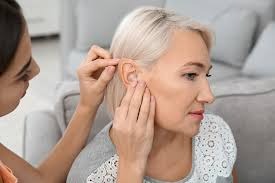
Hearing loss often develops gradually, making it difficult to recognize in its earliest stages. Many adults assume that subtle hearing changes are a normal part of aging and delay seeking professional evaluation. In communities such as Clearwater, individuals frequently overlook the early warning signs until communication becomes frustrating or social situations feel exhausting. Understanding how hearing loss begins, how it progresses, and when to take action can make a meaningful difference in long-term hearing health and overall quality of life.
Understanding how hearing loss develops
Hearing loss occurs when sound signals are not effectively transmitted from the ear to the brain. This can result from damage to the inner ear, problems with the auditory nerve, or conditions affecting sound conduction in the outer or middle ear. Age-related hearing changes are common, but hearing loss can also result from prolonged noise exposure, certain medications, chronic health conditions, or repeated ear infections. Because these changes often occur slowly, many people adapt without realizing their hearing has declined.
Early signs that should not be ignored
One of the most common early signs of hearing loss is difficulty understanding speech, particularly in group settings or noisy environments. Voices may sound muffled, or it may seem as though others are speaking too softly. Many individuals find themselves asking people to repeat themselves or increasing the volume on televisions and phones more often than before.
Another early indicator is trouble hearing high-pitched sounds, such as doorbells, alarms, or certain consonants in speech. Some people also experience listening fatigue, where concentrating on conversations becomes mentally tiring. Social withdrawal can follow, as individuals may avoid gatherings due to frustration or embarrassment over misunderstandings.
The impact of untreated hearing loss
Untreated hearing loss impacts various aspects of life beyond just hearing. Research has shown links between unmanaged hearing loss and increased risks of social isolation, depression, and cognitive decline. Communication difficulties can strain personal relationships and reduce confidence in professional or social settings. Over time, the brain receives less auditory stimulation, which may lead to changes in how it processes sound. Early intervention helps preserve communication abilities and supports overall mental and emotional well-being.
When to schedule a hearing evaluation
It is recommended to schedule a hearing evaluation if you notice persistent difficulty understanding speech, ringing in the ears, or frequent misunderstandings during conversations. Adults over 50 should consider regular hearing screenings, even if no obvious symptoms are present. Those with a history of noise exposure or chronic health conditions should also be proactive about testing. A professional hearing evaluation provides clarity, establishes a baseline, and allows for early treatment when needed.
What a professional hearing assessment provides
A comprehensive hearing assessment evaluates how well you hear different pitches and volumes, as well as how clearly you understand speech. These tests are noninvasive and offer invaluable information regarding your auditory health. Results help determine whether hearing loss is present, what type it is, and which treatment options are appropriate. Early detection allows for personalized recommendations that can slow progression and improve daily communication.
Frequently asked questions about hearing loss
Is hearing loss always related to aging?
No. While age-related changes are common, hearing loss can affect adults of all ages. Noise exposure, medical conditions, and genetic factors can contribute at any stage of life.
Can hearing loss improve on its own?
Most cases of permanent hearing loss do not improve without intervention. However, early evaluation can identify treatable conditions or help prevent further decline.
How often should adults have their hearing tested?
Adults should consider a baseline hearing test by age 50 and follow up every 1 to 3 years, depending on risk factors and results.
Does ignoring hearing loss worsen it?
Delaying treatment does not directly worsen the physical condition, but it can make adjustment more difficult later and may affect cognitive and emotional health.
Taking the next step toward better hearing
Recognizing early symptoms and acting promptly can help you communicate and stay connected. Hearing care is an essential part of overall wellness and should not be postponed. If you are experiencing signs of hearing loss or want to establish a baseline, professional guidance is the best place to begin.
For trusted local care and personalized solutions related to hearing loss in Clearwater, contact Countryside Hearing Aids to schedule a professional hearing evaluation and take a confident step toward better hearing health.