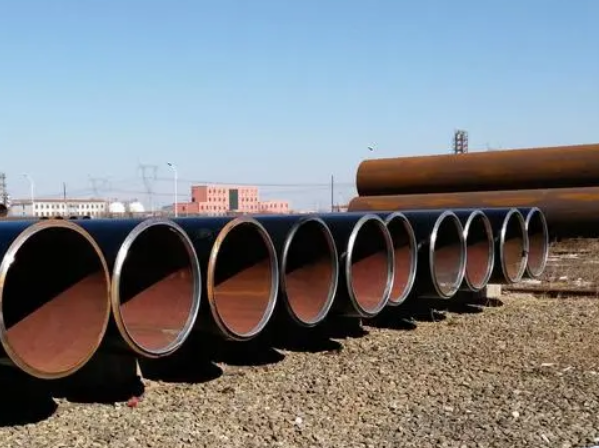
Carbon steel pipes are one of the most common types of pipes used in many industries today. You see them in buildings, factories, oil and gas lines, water systems, and even in homes. They are made mainly from iron and carbon, which makes them strong and affordable. But like any material, they have both good points and weak points. This article explains the advantages and disadvantages of carbon steel pipes in simple, everyday language. We will look at what makes them popular, where they work best, and when you might want to choose something else instead. By the end, you will have clear facts to help you decide if carbon steel pipes are right for your project.
What Are Carbon Steel Pipes?
Carbon steel pipes are tubes made from steel that contains mainly iron and a small amount of carbon. The carbon content usually ranges from 0.12% to about 2%. This mix gives the steel its strength and hardness. Manufacturers produce these pipes in different ways, including seamless and welded styles, and in many sizes and thicknesses.
These pipes are widely used because they are easy to find and cost less than many other types of steel pipes. They can carry water, oil, gas, steam, and chemicals in both low and high pressure systems. Builders also use them for structural support in buildings and bridges. However, the exact performance depends on the grade of carbon steel and how the pipe is made.
Main Advantages of Carbon Steel Pipes
One of the biggest advantages is the low cost. Carbon steel pipes are cheaper to buy and install compared to stainless steel or other alloy pipes. This makes them a smart choice for large projects where budget is important. You can save a lot of money without giving up too much strength.
Another strong point is high strength and durability. Carbon steel is tough and can handle a good amount of pressure and weight. It works well in many everyday applications, from underground water lines to factory piping. The pipes are also easy to weld and join, which speeds up installation and repairs on the job site.
Carbon steel pipes come in a wide range of sizes and wall thicknesses. You can find them from small diameters for home plumbing all the way up to very large pipes for industrial pipelines. This availability makes planning and ordering simple.
They also conduct heat well, so they are suitable for heating systems and boilers. In addition, carbon steel can be coated or galvanized to improve its performance in certain environments. Many grades meet strict industry standards, giving users confidence in safety and quality.
Good Performance in Many Applications
Carbon steel pipes perform reliably in a lot of common situations. In construction, they support buildings and carry water or gas inside walls and floors. In the oil and gas industry, they move fluids over long distances. Power plants use them for steam lines, and factories use them to transport chemicals and raw materials.
For low to medium pressure systems, carbon steel pipes offer an excellent balance of strength and price. They are easy to cut, thread, and connect using standard tools. This reduces labor time and keeps project costs down. Many contractors prefer them because they are familiar and readily available from suppliers.
When properly protected, these pipes can last for many years. In dry or controlled environments, they show very good service life. Their ability to handle temperature changes also makes them useful in both hot and cold applications.
Main Disadvantages of Carbon Steel Pipes
The biggest disadvantage is poor corrosion resistance. Carbon steel rusts easily when it comes into contact with water, moisture, or chemicals. Without protection, the pipes can weaken over time and develop leaks. This is a serious issue in outdoor, underground, or wet environments.
To fight rust, you often need to apply coatings, paint, or galvanizing. These extra steps add cost and require regular maintenance. In highly corrosive areas, such as chemical plants or coastal regions, carbon steel may not be the best long-term choice.
Another drawback is lower resistance to extreme temperatures compared to some other materials. While carbon steel handles normal heat well, very high temperatures over long periods can reduce its strength. In extremely cold conditions, some grades can become brittle.
Carbon steel pipes are also heavier than some alternatives, which can make handling and installation more difficult for very large pipes. In addition, they are not suitable for applications that need high hygiene standards, such as food processing or certain medical uses, because rust particles can contaminate the flow.
Comparison with Other Materials
When you compare carbon steel pipes with stainless steel, the differences become clear. Stainless steel costs more but offers much better corrosion resistance and a longer lifespan in harsh conditions. It is often chosen for outdoor, marine, or food-related projects.
If you want to see a detailed side-by-side look at how carbon steel stacks up against stainless steel, view more.
Carbon steel is stronger and cheaper for many structural and general fluid transport jobs, but stainless steel wins when rust prevention and appearance matter most. Some projects use both types in different parts of the same system to balance cost and performance.
How to Reduce the Disadvantages
You can minimize the weak points of carbon steel pipes with a few practical steps. First, choose the right grade for your needs. Higher carbon content gives more strength, while lower carbon makes the pipe easier to work with.
Second, apply proper protection. Galvanizing, epoxy coating, or painting can greatly extend the life of the pipe in wet or outdoor settings. Regular inspections and maintenance help catch problems early before they become expensive repairs.
Third, control the environment when possible. Keeping pipes away from constant moisture or using them in closed systems reduces corrosion risk. In some cases, adding corrosion inhibitors to the fluid inside the pipe can also help.
Working with experienced suppliers ensures you get pipes that meet the correct standards and specifications for your project.
Cost and Long-Term Value
On paper, carbon steel pipes look like the cheapest option, and they often are for the initial purchase and installation. However, you need to think about the full life cycle. If the pipes corrode quickly and need frequent replacement or repairs, the total cost can rise.
In dry indoor applications or well-protected systems, carbon steel delivers excellent long-term value. Many water supply networks and structural frameworks have used carbon steel successfully for decades with proper care.
For large-scale projects where budget is tight and conditions are not highly corrosive, carbon steel remains a practical and popular choice.
Who Should Use Carbon Steel Pipes?
Carbon steel pipes are a good fit for:
- General construction and building projects
- Water and gas distribution systems
- Oil and gas pipelines in controlled environments
- Heating and cooling systems
- Structural supports and scaffolding
They are especially useful when you need large quantities at a reasonable price and the operating conditions are not extremely harsh. Small workshops, contractors, and industrial plants often choose them for their balance of performance and affordability.
If your project involves constant exposure to water, acids, or saltwater, you may want to consider other materials or add strong protective measures.
Final Thoughts
Carbon steel pipes offer many clear advantages, including low cost, high strength, easy availability, and good performance in a wide range of standard applications. They are easy to work with and have been a reliable choice for builders and engineers for many years.
At the same time, their tendency to rust and lower resistance in harsh environments are important disadvantages to consider. With the right coatings, proper grade selection, and regular maintenance, you can reduce these issues and get great service life from carbon steel pipes.
For quality carbon steel pipes and other steel products, visit https://uniasen.com/.
Understanding both the strengths and weaknesses helps you make smarter decisions. Take time to evaluate your project conditions, budget, and expected lifespan before choosing. When used in the right situations, carbon steel pipes continue to be one of the most practical and cost-effective options available today.