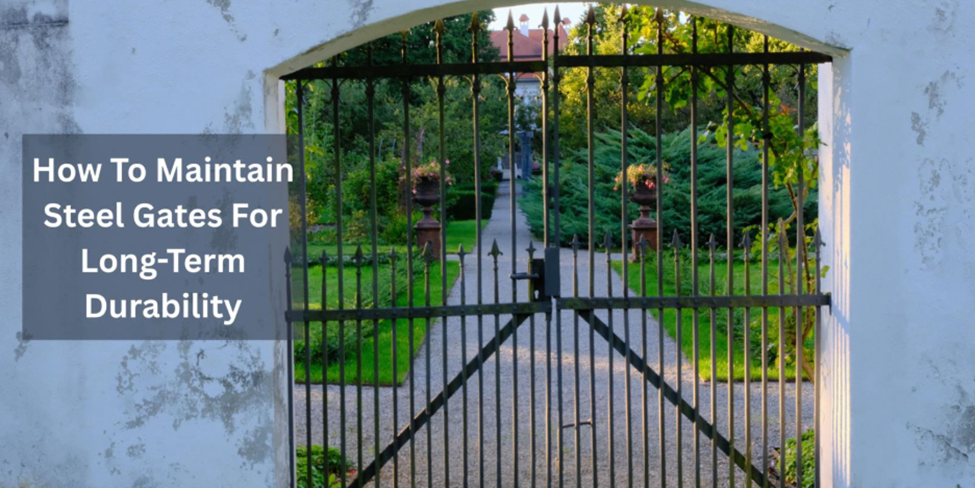
A steel gate is not just an entry point to your property. It secures your premises and adds to the overall look of your home or business. Nevertheless, rust, stiff hinges, or gates that cannot open easily are frustrating problems that many property owners end up experiencing.
Even solid metal structures are weakened by weather exposure, accumulation of dust, and the absence of maintenance. Luckily, maintaining a gate in good condition does not require complex work. There are a couple of regular maintenance practices that can greatly increase its life span.
Most common issues can be prevented by regular cleaning, fast inspection, and proper care of moving parts. Once these simple habits are established as a routine, your gate will be reliable and not lose its looks. This article discusses how to keep steel gates durable, useful, and attractive over a long period.
1. Clean Your Gate to Keep off Corrosion
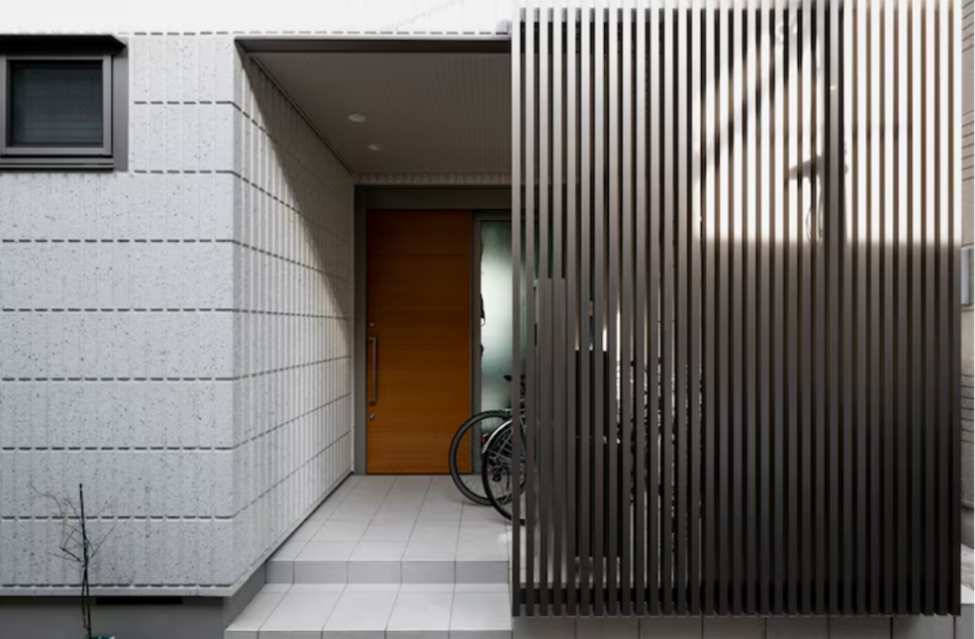
One of the simplest methods of protecting your gate is by cleaning it on a regular basis. Exterior buildings are always exposed to dust, moisture, and pollution. With time, such accumulation entraps moisture and exposes corrosion.
Regular cleaning enables your steel gates to last longer. Wipe the gate with a small amount of mild soap and water to clear any dirt that may ruin the surface coating. Wet the gate with water in order to remove loose debris. Then wipe the surface gently using a soft cloth or sponge and mild detergent. Lastly, rinse it and dry it.
This is done to maintain the protective finish and keep the gate looking clean. More to the point, it eliminates accumulation that can cause rust or damaged surfaces in the long run. Cleaning enables you to see scratches or minor issues at an early stage, therefore, making it easier to maintain.
2. Check Coatings and Repair Minor Damage
Coatings are used to prevent moisture and exposure of steel. Nevertheless, this protective layer can be damaged with time as a result of scratches or minor impacts. It is thus beneficial to check up on your gate periodically.
Check for chipped paint, scratches, or bare metal. When you discover small damage, tackle it promptly. Light sanding and a protective coating can be used to restore the shield, which safeguards the steel behind.
These minor problems should be addressed at an early stage so that rust does not spread and the gate is structurally sound. Frequent cleaning also makes sure that the gate remains clean and in good condition.
3. Oil Hinges and Pivoted Parts
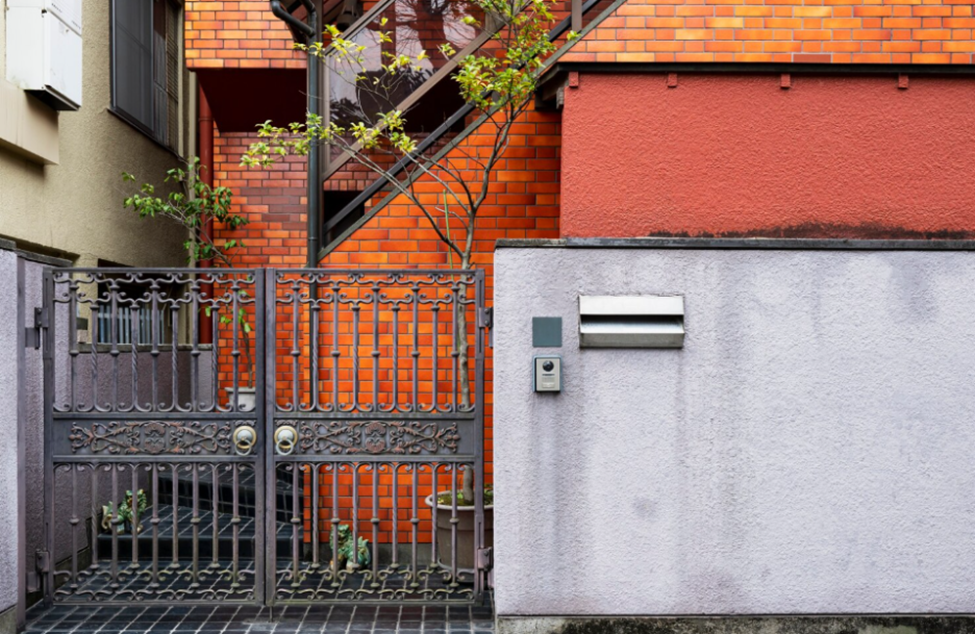
A steel gate requires smooth operation to be maintained. Hinges, locks, and latches move continuously, and this inevitably leads to friction. In the absence of lubrication, these parts will start squeaking or become hard to use. This friction may lead to unwarranted wear over time.
To prevent this, put lubricant on hinges and moving parts regularly. A small quantity of lubricant lowers the friction and enables the gate to open and close with ease.
Once the lubricant has been applied, move the gate a few times to spread it out. This is a basic measure that insulates the mechanical parts and prolongs their life. Consequently, the gate will work efficiently without undue pressure.
4. Check Alignment and Structural Stability
Even a strong steel gate can gradually shift out of alignment. Daily use, ground movement, or heavy loads sometimes place pressure on hinges and support posts. When a gate becomes misaligned, it may drag on the ground, close unevenly, or strain the locking mechanism. If ignored, this stress can damage both the gate and its support structure.
Therefore, it is important to inspect the alignment regularly. Begin by observing how the gate moves during operation. A properly aligned gate should swing or slide smoothly without resistance. If you notice uneven movement, check the hinges, posts, and mounting hardware.
Tighten loose bolts and screws where necessary. In some cases, adjusting hinge placement slightly can restore proper alignment. Maintaining correct alignment not only improves functionality but also prevents long-term structural stress on the gate system.
5. Keep Vegetation and Debris Away from the Gate
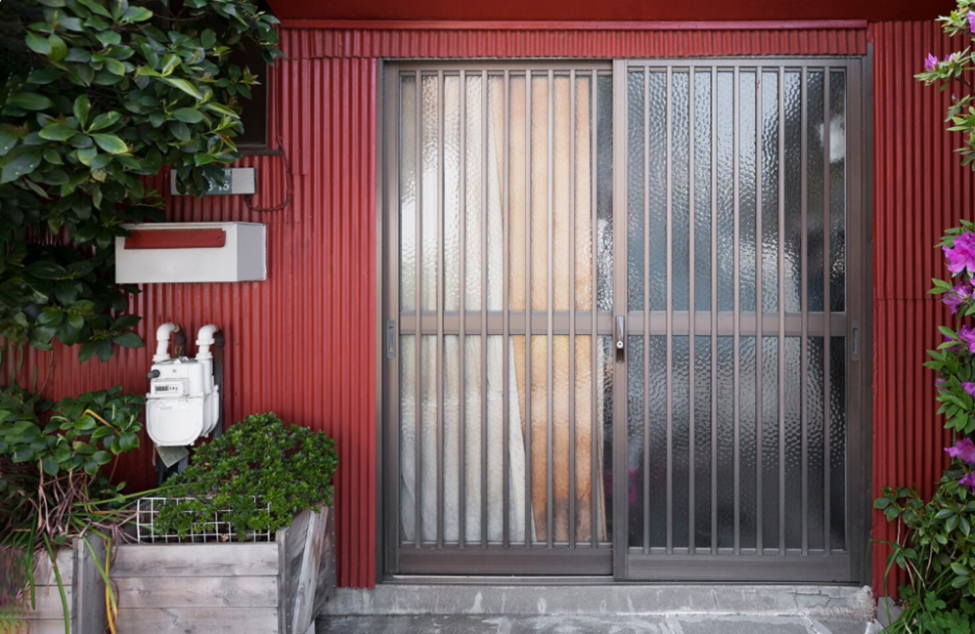
Many property owners overlook how surrounding vegetation can affect gate durability. Plants, grass, and soil buildup often collect around the base or moving components of a gate. This buildup can trap moisture and accelerate corrosion.
Additionally, vines or shrubs growing around the gate may obstruct its movement. To prevent these issues, maintain a clear area around the gate and its supporting posts. Trim nearby vegetation regularly and remove debris from hinges, tracks, or latch areas.
For sliding gates, this step is especially important. Tracks must remain clean and unobstructed to allow smooth movement. A well-maintained environment protects both the mechanical components and the structural integrity of the gate.
Final Thoughts
Steel gates are built to provide security and durability, but their long-term performance depends on regular care. Simple maintenance habits can make a significant difference. Cleaning the gate prevents dirt and moisture from damaging the protective surface.
Routine inspections help detect scratches or coating damage before rust begins to form. At the same time, lubricating hinges ensures smooth operation and reduces mechanical stress.
Checking alignment and keeping vegetation away also protects the structure from unnecessary strain. When these small maintenance tasks are performed consistently, they prevent larger problems from developing. As a result, the gate remains reliable, secure, and visually appealing for many years.