Table of Contents
- Smart Piping Systems
- Advanced Materials
- Sustainable Practices
- Modular and Prefabricated Systems
- Integration with Digital Design Tools
- Enhanced Safety and Hygiene Standards
- Addressing Labor Shortages
- Conclusion
Modern construction continues to evolve rapidly, and the decisions made regarding piping materials and supply processes have never been more vital. Selecting the right products and following the latest industry practices are key to ensuring safety, efficiency, and resilience across a wide range of commercial and residential projects. Companies like Cruco Mill & Industrial Supply are part of this movement, providing access to the most advanced and sustainable piping solutions on the market.
With rising demand for energy efficiency and heightened awareness of both environmental impact and long-term durability, today’s construction professionals face new expectations for both performance and compliance. From hospitals to high-rises, innovations in pipe supply are addressing urgent needs in water management, sustainability, and construction quality.
As regulations and client preferences evolve, manufacturers and suppliers must adapt quickly to accelerate project timelines, control costs, and ensure lasting quality. The innovations shaping pipe supply are not only about materials but also about smarter workflows, integrated technology, and the drive for greener, safer buildings.
This article explores the most significant trends transforming the pipe supply landscape, offering insights for industry professionals looking to stay ahead in a highly competitive sector.
Smart Piping Systems
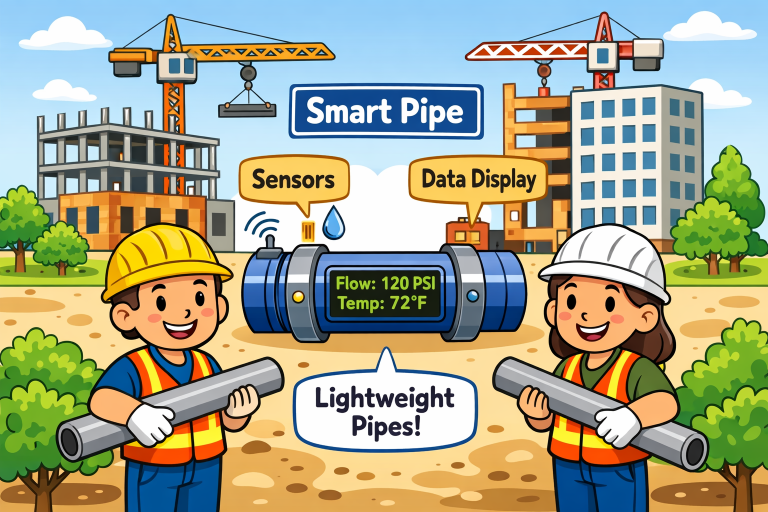
IoT technology is increasingly becoming a staple of modern piping infrastructure. Smart piping systems use sensors to gather and transmit real-time data about pressure, temperature, and flow rates. The biggest advantage is predictive maintenance. Before a minor leak grows into a major outage, connected sensors spot the anomaly and alert maintenance teams for prompt intervention. This technology is proving especially valuable in critical infrastructure like hospitals and large commercial campuses, where any plumbing failure can result in costly downtime or safety risks.
Advanced Materials
Material science is revolutionizing the pipe supply market. Thermoplastics, such as CPVC (chlorinated polyvinyl chloride) and PEX (cross-linked polyethylene), are now widely preferred for their protection against corrosion, affordability, and flexibility. These choices are also lighter than traditional materials, making them easier and safer to install. CPVC’s increasing market share highlights the industry’s pivot from metal pipes to high-performance plastics that meet modern building codes and environmental criteria.
Sustainable Practices
Sustainability has become a central theme for both pipe manufacturers and construction firms. Innovations are focused on recyclability and eco-friendly production. For example, CPVC pipes are not just more efficient to produce but are also fully recyclable, helping reduce the carbon footprint associated with both manufacturing and eventual disposal. Companies are also working to minimize the amount of plastic waste entering the environment by developing closed-loop systems and promoting the use of renewable feedstocks. As cities promote green building certification programs, these advances enable builders to meet regulatory requirements and satisfy client demands for sustainability. For a deeper dive on sustainability in building supplies, check out the latest from Forbes.
Modular and Prefabricated Systems
Modular and prefabricated piping components are taking the guesswork out of installation while minimizing labor on-site. By assembling sections of piping in a controlled environment off-site, construction companies can ensure precision, reduce waste, and significantly cut down assembly times. When these modular pieces arrive on-site, they fit together quickly, reducing errors and the need for rework. This approach is especially valuable for large-scale commercial developments and infrastructure upgrades, where timing and quality are closely monitored.
Integration with Digital Design Tools
Digital technology is transforming the way plumbing layouts are created and executed. Building Information Modeling (BIM), computer-aided design (CAD), and simulation software enable designers and engineers to anticipate challenges, optimize layouts, and integrate plumbing with other aspects of building systems, such as HVAC or specialized energy systems like solar water heaters and heat pumps. Prefabricated piping sections, designed and detailed through these tools, further reduce on-site errors and project delays. As a result, the industry is moving toward earlier involvement of pipe suppliers and manufacturers in the design process, aligning functional requirements and constructability from the outset.
Enhanced Safety and Hygiene Standards
Globally, building codes now emphasize the use of non-corrosive and hygienic piping materials for potable water systems, particularly in regions focused on reducing contamination risks. Plastic piping with drinking water approvals is increasingly replacing traditional options to guarantee consistent water quality from the source to the end user. This shift supports public health while reducing the maintenance needed to mitigate risks associated with older, corrosion-prone materials.
Addressing Labor Shortages
The construction sector continues to experience a shortage of skilled labor, making installation speed and simplicity more important than ever. Pipe systems designed with fewer joints, such as those employing heat-fusion technologies, mean that installers can complete work faster with reduced risk of leaks or errors. By streamlining installation and minimizing the reliance on highly specialized labor, projects experience fewer delays and maintain higher quality over time. This trend is driving product innovation, jobsite productivity, and reduced lifecycle costs for building owners.
Conclusion
As the construction industry faces new demands for efficiency, safety, and environmental stewardship, innovation in pipe supply stands at the forefront of progress. From smart technologies to advanced materials, and from modular systems to digital integration, these trends promise to shape the buildings and infrastructure of tomorrow. Suppliers and contractors who stay on top of these advances will be best positioned to deliver projects that meet ever-increasing standards for quality and sustainability.