Ahead of every bustling dining room stands something quiet yet essential – thoughtful kitchen design. Though flashy decor or bold flavors grab attention, durability comes from what happens out of sight. Flow shapes function; how spaces connect influences speed and accuracy. Mistakes pile up fast when layout ignores workflow. Staff move better when tools, stations, and pathways align naturally. A well-structured space prevents delays before they start. Safety slips when hoods, sinks, or storage fall short of standards. Profit fades if equipment can’t handle demand. Even brilliant ideas falter without smart groundwork beneath them.
Understanding the Core of Commercial Kitchen Planning
A workspace built around movement makes sense when you think about where food lands after delivery. Moving things step by step – store, prep, cook, plate, serve – flows better if layout guides each motion smoothly. Efficiency grows when people and gear work without bumping into limits set by poor design. Mistakes fade when paths are clear and zones fit their tasks. What matters most is using space so nothing slows down what happens next. A tight spot can still breathe if thought goes into who does what and how far they reach.
Why Kitchen Planning Matters More Than Décor or Menu
That elegant dining space might pull people in at first glance – yet it is smooth daily operations that truly hold their attention. What happens behind the scenes, especially how a kitchen gets laid out, shapes how fast meals go out, how uniform they taste, and whether expenses stay manageable. When kitchen layouts lack smart organization, workers bump into each other, tickets pile up late, supplies get tossed, machines wear down faster than needed. With every passing week, those small hiccups drain earnings while making employees more likely to walk away.
Workflow Efficiency as the Backbone of Kitchen Design
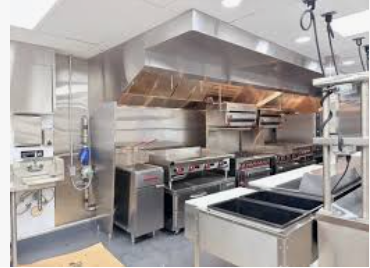
A key aim when setting up a workable commercial kitchen? Smooth movement. Each part of prepping food needs to flow without hiccups. Food arrives at receiving zones first. From there it heads into storage – dry or chilled. Next comes prep spots where things get chopped or mixed. After that, items travel to cook lines. The last stop before serving: plating sections.
Wasted steps pile up when the usual path breaks down. Workers end up walking more than needed, draining effort slowly over shifts. A well thought layout cuts extra trips, keeps people from bumping into each other, lets tasks flow smoother. Less running around means less wear on bodies. That ease shows in how workers feel day to day, staying longer because it just feels right.
The Role of Equipment Selection in Commercial Kitchen Planning
Choosing gear shapes how a kitchen works. What goes on the menu decides what machines are needed. Too big, and things get cluttered plus power gets burned. The wrong size means delays during service. Staff struggle when tools do not match demand. Planning comes first – buying follows.
When you bring in seasoned pros like CKitchen, picking kitchen gear becomes less about guesswork. This name pops up often because they know what actually works behind the scenes. Their advice shapes smarter decisions on appliances – ones that fit how kitchens run day to day. Commercial Kitchen Planning ahead with their input smooths out hiccups before doors even open. Mistakes get caught early, saving time later down the line.
The Compliance, Safety, and Health Regulations
Ahead of everything else, following rules shapes how kitchens come together. Depending on where you are, health laws and fire guidelines differ slightly – yet core ideas stay consistent. Keeping food safe means blocking paths for germs to spread. Getting rid of trash needs careful layout choices. Air has to move right, without hiccups.
Starting smart means fewer surprises when inspectors show up. Where sinks go matters just as much as where cooks work. Keeping raw items far from ready-to-eat zones stops problems before they start. Air that moves right helps keep heat and smoke under control. Clean hands begin with access – stations must be easy to reach. People stay safe when layout guides behavior without telling them how. A kitchen built well today avoids shutdowns tomorrow. Trust grows quietly when every detail shows care was taken. Even small mistakes can echo through reviews and returns. How things flow affects more than just speed – it shapes safety too.
Scalability and Future Growth Considerations
Few places think past their first week of business. When setting up a workspace for cooking at scale, it helps to imagine more orders, broader choices on the menu, even branching into events or takeout later on. A layout built to shift easily handles those moments when plans evolve. Change comes quietly – smart setups just roll with it.
Down the line, room for extra gear might mean leaving open spots where machines can go later. Work zones that shift easily could help when menus change or crowds grow. Power lines and airflow need to manage heavier loads without rewiring everything. Seeing ahead like this lets a kitchen stretch as customers do, instead of getting stuck in its first version.
How Commercial Kitchen Planning Impacts Staff Performance
How a kitchen is set up shapes how workers think and move. When spaces are messy or awkward, people get tense, lost, slow – errors creep in, then burnout follows. On the flip side, smart organization helps cooks stay sharp, steady, calm.
Start each shift knowing where things belong. Workspaces shaped for comfort let people move naturally through tasks. Equipment sits close by, arranged so it makes sense every time. Confidence grows when nothing gets in the way. Fewer interruptions mean less frustration day after day. People learn faster when routines feel clear. Mood lifts when effort leads somewhere real. Steady setups keep habits consistent. Culture forms quietly, built on repetition and ease.
Integrating Technology into Modern Kitchen Planning
Out here, where kitchens take shape, tech plays a bigger role every year. Smart gear shows up everywhere now – shaping how spaces get arranged and tasks flow through the day. Power needs matter more lately, along with solid connections that link equipment to sales tracking and stock updates. Fitting it all together means thinking ahead about what plugs in, who uses it, and how pieces talk to one another.
The Strategic Advantage of Professional Planning Support
Not every chef trusts outside help when building a kitchen space. Yet guidance from seasoned experts can tip the balance toward smooth daily function instead of constant fixes. Tools found through networks such as CKitchen bring practical understanding – knowing gear limits, workflow logic, spatial flow – all shaped by actual kitchen demands.
When chefs work alongside designers and suppliers, commercial kitchens come together more thoughtfully. Because insights from real cooking shape practical layouts. Efficiency grows when equipment choices match how food is actually prepared. Ideas flow better when everyone shares their experience early. A well-used kitchen feels natural because it was built with real needs in mind. Long-term performance often depends on these upfront conversations.
Conclusion:
A solid start begins long before the first dish is served. What happens behind the scenes sets the pace for everything that follows. Choices about space, tools, and movement aren’t just details – they define how smoothly things run. Equipment fits into a bigger picture shaped by people, rules, time. Layout affects who goes where, what gets done, when. Thinking ahead means avoiding roadblocks later on. Growth isn’t guesswork if the groundwork allows room to shift. How things connect matters more than isolated parts. Each step forward depends on earlier thinking. Success hides in structure, not speed.