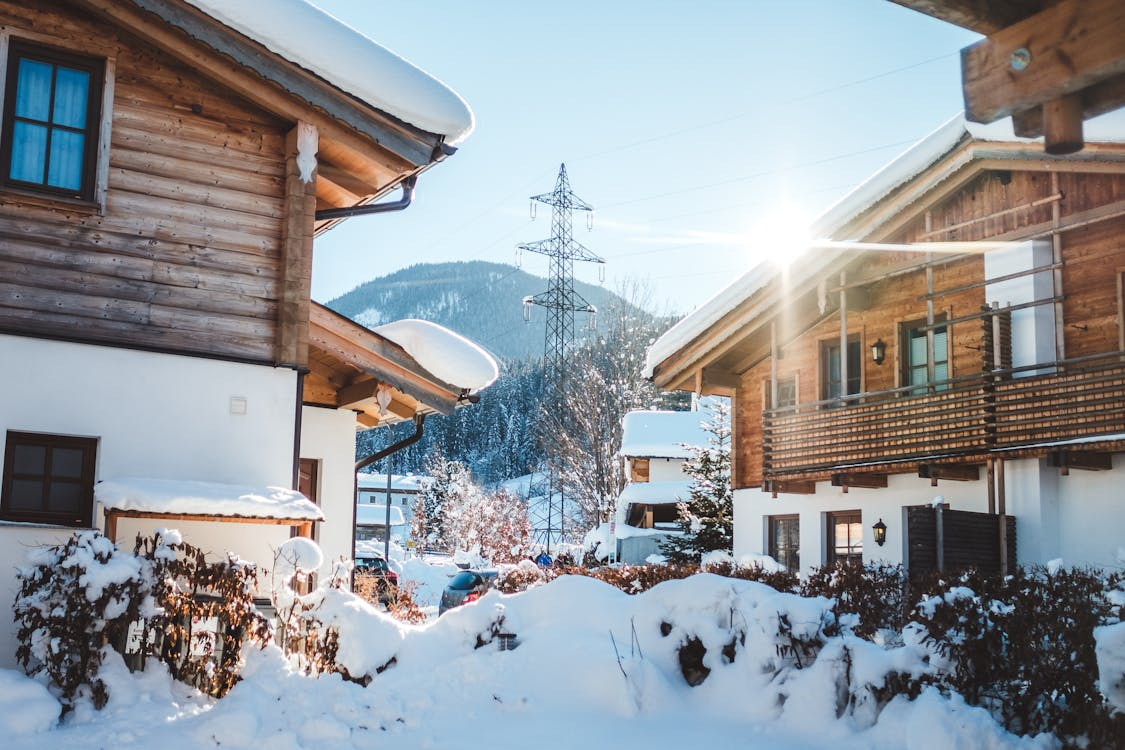
Winter often feels like a season of quiet. The yard stops growing, windows stay shut, and daily routines slow down. But beneath that calm surface, winter places steady pressure on your home. Long periods of cold, moisture, and freezing temperatures can affect areas you rarely check until something goes wrong. In regions like Lansdale, PA, where winter stretches on and temperatures drop hard, these problems can build quietly over time.
Small issues may start behind walls, under floors, or in unused corners of your home. You may not notice them until pipes burst, drafts spike your heating bills, or strange smells appear where they shouldn’t. By then, the damage often costs more and disrupts daily life.
This article highlights the hidden ways winter impacts your home and explains practical steps you can take to fix issues early.
Winter Pests Looking for Warmth and Shelter
Many homeowners assume pests disappear once cold weather arrives, but winter often drives them indoors instead. As temperatures drop, insects search for warm, protected spaces to survive the season. In places like Lansdale, PA, stink bugs commonly enter homes just before freezing weather sets in. While they do not bite or damage property, they bring hygiene concerns and release a strong odor when disturbed. Their presence can become frustrating fast, especially when they gather around windows or light sources. Hiring a top stink bug exterminator in Lansdale, PA, helps remove them properly and reduces the chance of reinfestation later in the season.
Cold Air Intrusion Through Doors and Windows
Winter temperatures often expose weak points around doors and windows. Even small gaps allow cold air to slip inside, forcing your heating system to work harder than necessary. You may notice certain rooms feel colder, floors near windows stay chilly, or curtains move slightly even when everything appears closed. These issues often come from worn weatherstripping, cracked caulking, or frames that have shifted over time. Sealing these gaps helps keep warm air inside, improves comfort, and reduces energy costs throughout the winter.
Frozen Pipes and the Risk of Sudden Water Damage
Cold weather puts plumbing at serious risk, especially pipes that run through unheated areas like basements, crawl spaces, or exterior walls. When water freezes, it expands, placing pressure on pipes until they crack or burst. This damage often appears suddenly and can flood parts of the home within minutes. Low water pressure, strange noises, or frost on pipes can signal trouble ahead. Insulating exposed pipes and allowing faucets to drip slightly during extreme cold can lower the risk and help prevent costly repairs.
Roof Stress Caused by Snow and Ice Buildup
Snow and ice place constant weight on your roof during winter. Over time, this stress can weaken shingles, flashing, and support structures. Ice dams form when warm air melts snow on the roof, causing water to refreeze near the edges. This trapped water can seep beneath shingles and cause leaks that remain hidden until stains appear on ceilings or walls. Regular inspections and proper attic ventilation help limit ice buildup and protect the roof from long-term damage.
Heating Systems Working Overtime
During winter, heating systems run longer and more frequently to maintain a comfortable indoor temperature. This added strain can expose existing problems such as clogged filters, worn components, or uneven airflow. Rooms that never seem warm enough or rising energy bills often point to an overworked system. Routine maintenance keeps heating equipment running efficiently and reduces the chance of breakdowns during the coldest days of the year.
Moisture Problems and Condensation Indoors
Winter often traps moisture inside the home. Windows stay closed, airflow drops, and warm indoor air meets cold surfaces. This mix creates condensation on windows, walls, and even ceilings. Over time, excess moisture can damage paint, warp wood, and encourage mold growth in hidden areas. Bathrooms, kitchens, and laundry spaces face the highest risk. Using exhaust fans regularly and keeping indoor humidity at a steady level helps reduce condensation and protect interior surfaces throughout the colder months.
Cracks in Foundations and Exterior Walls
Freezing temperatures cause soil and building materials to expand and contract. This constant movement places pressure on foundations and exterior walls, leading to small cracks that grow over time. These openings allow cold air, moisture, and even pests to enter the home. You may notice hairline fractures in concrete, gaps along brickwork, or crumbling mortar. Sealing cracks early prevents further structural stress and reduces heat loss during winter.
Attic Insulation Losing Effectiveness
Insulation plays a major role in keeping warm air inside, but winter often exposes weak or aging insulation. When insulation thins or shifts, heat escapes through the attic, forcing heating systems to work harder. You may feel uneven temperatures between floors or notice ice forming on the roof despite steady indoor heat. Adding or upgrading insulation helps maintain consistent warmth and lowers energy use without major renovations.
Gutter Blockages and Ice Formation
Leaves and debris left in gutters can cause serious winter problems. When water cannot drain properly, it freezes and forms heavy ice buildup along the roof edges. This added weight strains gutters and can pull them away from the house. Ice can also force water under roofing materials, leading to leaks that remain hidden until damage spreads indoors. Cleaning gutters before winter and checking them after storms helps prevent ice-related issues and protects both the roof and siding.
Dry Indoor Air and Its Impact on Comfort
Cold outdoor air holds less moisture, and heating systems dry it out even more once it enters the home. Dry indoor air often causes irritation to the skin, eyes, and sinuses. It can also damage wood furniture, flooring, and trim by causing cracks and shrinkage. Static electricity and restless sleep are common signs of low humidity. Maintaining balanced moisture levels improves comfort and helps preserve your home’s interior during winter.
Winter challenges often push homeowners into reactive mode, fixing problems only after they cause disruption. Shifting focus toward prevention changes that experience entirely. Addressing these issues creates a more stable living environment that holds up under seasonal pressure. Small improvements made during winter can strengthen your home year-round, giving you greater control, comfort, and peace of mind long after the cold fades away.
Read More My Next Mag