Starting your first role as a physical therapist is both exciting and rewarding. As a healthcare professional focused on improving movement and reducing pain, you will play a key role in helping patients regain independence and return to their daily activities. Whether working in a clinic, hospital, or outpatient setting, understanding your responsibilities and career path can set you up for long-term success.
Typical Responsibilities of a Physical Therapist
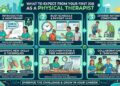
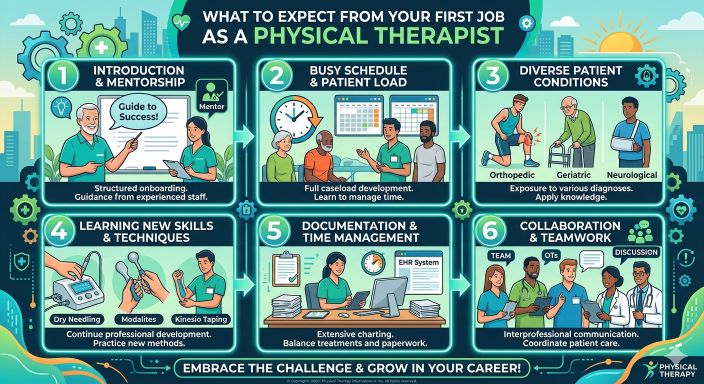
Physical therapists are responsible for evaluating, diagnosing, and treating patients with a wide range of musculoskeletal and neurological conditions. On a daily basis, this begins with patient assessments—reviewing medical history, observing movement patterns, and identifying limitations in strength, flexibility, and mobility. These evaluations guide the development of personalized treatment plans tailored to each patient’s needs and goals.
Treatment often includes therapeutic exercises, manual therapy, and education. Physical therapists teach patients how to perform exercises correctly, helping to improve strength, balance, and coordination while preventing further injury. Hands-on techniques may also be used to reduce pain, improve joint mobility, and promote circulation. Patient education is equally important, as therapists guide individuals on posture, ergonomics, and safe movement patterns.
Collaboration is another key aspect of the role. Physical therapists frequently work alongside physicians, occupational therapists, and other healthcare providers to ensure comprehensive care. For example, incorporating strategies like occupational therapy treatment can support patients who need help regaining independence in daily activities.
Documentation is also a critical responsibility. Therapists must track patient progress, update treatment plans, and maintain accurate records to ensure continuity of care. Strong communication and organizational skills are essential for managing caseloads and delivering effective outcomes.
Opportunities for Career Growth in Physical Therapy
Physical therapy offers a wide range of opportunities for professional growth and specialization. As therapists gain experience, they may choose to focus on areas such as sports rehabilitation, orthopedics, geriatrics, or neurological care. Continuing education and certifications can help expand expertise and open doors to advanced roles.
For those seeking flexibility and new experiences, options like travel pt jobs provide the chance to work in different locations while gaining exposure to diverse patient populations. These roles can help build skills quickly and offer unique career experiences.
Additionally, exploring opportunities such as physical therapist jobs can lead to leadership positions, including clinic director or regional management roles. Some therapists also choose to transition into teaching, research, or program development, contributing to the advancement of the profession.
The demand for physical therapists continues to grow, making it a stable and rewarding career path. With a focus on patient-centered care and ongoing development, therapists can build a career that evolves with their interests and goals.
Conclusion
Your first job as a physical therapist is the foundation for a meaningful and impactful career. By understanding your responsibilities and exploring opportunities for growth, you can build the skills and experience needed to succeed. With dedication and continuous learning, physical therapy offers a fulfilling path focused on helping others move better and live healthier lives.