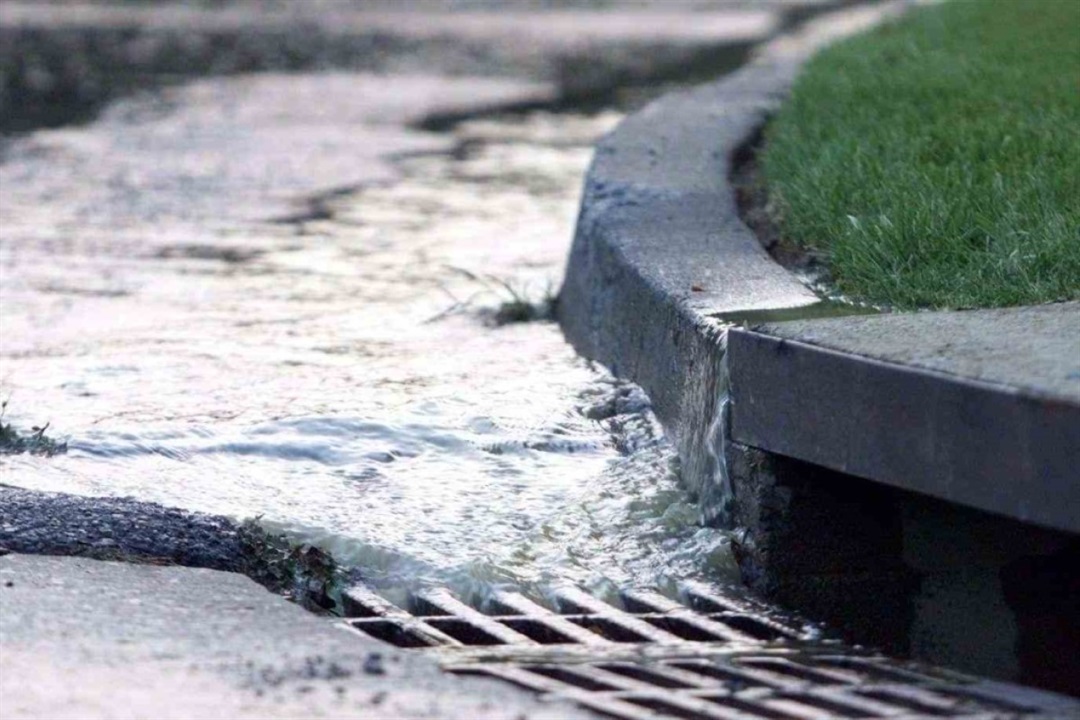
Many residential properties in Adelaide are connected to stormwater systems that extend beyond a single property boundary. In some suburbs, especially older areas or tightly spaced developments, multiple homes may rely on shared underground pipes to move rainwater away from roofs, driveways, and yards.
At first glance, these systems seem efficient. A shared network of drains channels water into council infrastructure and keeps properties protected during storms. However, when several homes rely on the same stormwater pipes, problems affecting one property can quickly spread to others.
This is where maintenance becomes crucial. Professional Stormwater drain cleaning helps ensure shared drainage infrastructure continues functioning properly. Without regular inspection and maintenance, even a small blockage in one section of pipe can create drainage issues across several properties. Understanding how shared stormwater systems work and the risks they present can help homeowners prevent costly flooding, property damage, and neighbour disputes.
Why Shared Stormwater Systems Exist
Shared stormwater systems are common in many Australian suburbs. In some cases, properties were designed to discharge rainwater through a single drainage line that runs beneath multiple homes before connecting to the street system.
Older suburbs are especially likely to have these shared arrangements. Decades ago, housing developments often used clay or concrete pipes that connected several properties together. Even today, some modern townhouse developments and strata complexes use shared stormwater networks. Instead of installing separate drainage infrastructure for each property, builders sometimes design interconnected systems that feed into a single discharge point.
While this approach can be efficient, it also means several households depend on the same pipes remaining clear. If one part of the system fails, the effects can travel quickly through the entire network.
Why Shared Systems Can Create Problems
The main problem with shared stormwater drains is that a blockage in one section can affect multiple homes.
Stormwater pipes are designed to move large volumes of rainwater quickly. When these pipes become blocked or damaged, water cannot flow freely. Instead, it backs up along the pipe and begins to overflow through the nearest available exit point. This could be a neighbour’s yard, driveway, drain, or outdoor stormwater pit.
In shared systems, identifying where the blockage originates can be difficult. The obstruction may be located under another property, within a shared easement, or somewhere along a long underground pipeline. In these situations, determining responsibility can become complicated. If the pipe runs through private land, affected property owners may need to cooperate to investigate and repair the issue.
These scenarios can quickly turn into neighbour disputes, especially when flooding or water damage occurs.
Signs of Shared Drainage Problems
Stormwater systems rarely fail suddenly without warning. Most problems develop gradually as debris, sediment, or tree roots build up inside the pipes.
Recognising the early warning signs can help homeowners act before serious flooding occurs.
One of the most common signs is slow drainage after heavy rainfall. If water takes an unusually long time to drain from outdoor pits, channels, or driveway drains, it may indicate a partial blockage in the stormwater line.
Another warning sign is water backing up through stormwater grates or pits during storms. This suggests the pipe is unable to handle the flow because something is restricting it.
Pooling water around the yard or near foundations is another red flag. Blocked pipes can cause rainwater to accumulate instead of draining away from the property.
Other indicators include:
- Overflowing driveway channel drains
- Wet patches in the yard after rain
- Water emerging from unexpected points along the drainage system
- Repeated minor flooding during storms
These symptoms often indicate that a stormwater pipe is blocked, damaged, or partially collapsed. When multiple homes share the same pipe, these signs may appear across several properties at once.
Common Causes of Stormwater Blockages
Stormwater systems are constantly exposed to environmental debris. Over time, this material can accumulate inside pipes and restrict water flow. One of the most common causes of blocked drains is organic debris. Leaves, dirt, and small branches can wash into gutters and downpipes during storms, eventually collecting inside stormwater pipes.
Tree roots are another major cause of drainage problems. Roots naturally seek out moisture, and small cracks in stormwater pipes provide easy entry points. Once inside, roots expand and create dense blockages that obstruct water flow.
In older Adelaide suburbs, ageing pipe materials can also contribute to blockages. Clay pipes used in older drainage systems may crack or collapse over time, allowing soil and debris to enter the line. Heavy storms can worsen these problems by pushing additional debris into already partially blocked drains. Without maintenance, the system eventually becomes unable to handle large volumes of rainwater.
How Stormwater Problems Affect Neighbours
Because stormwater systems often cross property boundaries, drainage issues can easily spread beyond the original source. If a stormwater pipe becomes blocked on one property, rainwater may begin backing up through drains located on neighbouring properties.
Overflowing water can travel across yards, damage landscaping, and flood outdoor areas. In severe cases, it can undermine driveways, patios, or building foundations. Blocked drains can also cause water to spill over property lines and affect nearby homes, creating disputes between neighbours.
These disputes often occur when it is unclear which property owns the affected section of pipe.
Since stormwater pipes frequently run beneath multiple properties, identifying responsibility can require professional investigation using specialised equipment.
The Role of Professionals in Managing Shared Drains
Because shared stormwater systems can be complex, professional inspection is often required to diagnose the exact problem. Modern plumbing specialists use advanced tools such as CCTV drain cameras to inspect underground pipes. These cameras allow technicians to locate blockages, cracks, and root intrusions without excavating large areas of land.
Drain location equipment can also trace the direction of underground pipes and determine which properties are connected to the same drainage system. Once the problem area is identified, technicians can perform Stormwater drain cleaning using high-pressure water jetting or specialised root-cutting equipment.
These methods remove debris, sediment, and root growth inside the pipes, restoring proper water flow through the system. Professional inspection also helps determine which section of the drainage system is responsible for the blockage, making it easier for property owners to resolve maintenance responsibilities.
Preventing Future Drainage Issues
Regular maintenance is one of the most effective ways to prevent stormwater drainage problems.
Stormwater pipes are typically out of sight, which means homeowners often overlook them until something goes wrong. However, periodic inspection and cleaning can detect problems before they cause flooding.
Professionals recommend checking stormwater drains at least once a year, especially before the rainy season. Other preventative measures include keeping gutters and downpipes clear of debris and ensuring outdoor stormwater pits remain unobstructed.
Landscaping choices can also influence drainage health. Large trees planted close to underground pipes increase the risk of root intrusion over time. Professional Stormwater drain cleaning combined with routine inspection ensures that shared drainage systems remain clear and functional.
Conclusion
Shared stormwater drainage systems are common across Adelaide neighbourhoods. While they provide an efficient way to manage rainwater runoff, they also create interconnected infrastructure that multiple homes rely on.
When one section of the system becomes blocked, the effects can spread quickly, leading to slow drainage, yard flooding, and even disputes between neighbours. Recognising the warning signs early and arranging professional Stormwater drain cleaning can prevent these problems from escalating. Regular inspections and maintenance ensure that shared stormwater pipes remain clear, protecting homes and maintaining good relationships between neighbours.
FAQs
1. What is a shared stormwater drain?
A shared stormwater drain is an underground pipe that carries rainwater from multiple properties to a common discharge point, such as a street drain.
2. Who is responsible for a blocked stormwater pipe?
Responsibility depends on where the blockage occurs. If the pipe is on private property, the property owner may be responsible. Shared pipes may require joint investigation by affected owners.
3. What are the signs of a blocked stormwater drain?
Common signs include slow drainage, pooling water after rain, overflowing stormwater pits, and repeated flooding during storms.
4. Can tree roots block stormwater pipes?
Yes. Tree roots often enter pipes through small cracks and expand inside the pipe, eventually causing severe blockages.
5. How often should stormwater drains be cleaned?
Most experts recommend inspecting and cleaning stormwater systems annually, particularly before the rainy season, to prevent blockages and flooding.