Water quality is becoming a growing concern for many Melbourne homeowners. Whether it is the taste of tap water, visible sediment, or concerns about long-term exposure to impurities, more households are exploring filtration options. The challenge is not deciding whether to install a system, but choosing the right type.
Two of the most common solutions are under-sink filters and whole-house systems. While both improve water quality, they serve very different purposes. Understanding how each system works can help you make a practical decision based on your home’s needs.
Why Filtration Choices Matter
Not all water usage in a home requires the same level of filtration. Drinking water, cooking, showering, and appliance use all place different demands on water quality.
Some homeowners only want cleaner drinking water, while others aim to protect their entire plumbing system from sediment, minerals or contaminants. The type of filtration system you choose should reflect how you use water in your daily routine.
Installing the wrong system can lead to unnecessary costs or limited benefits.
How Under-Sink Systems Work
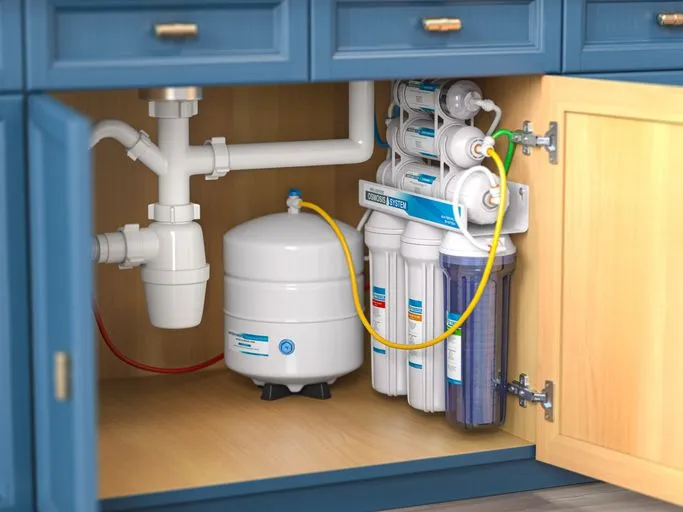
Under-sink filtration systems are designed to treat water at a single point, usually the kitchen tap. These units are installed beneath the sink and connect directly to the cold water line.
Focused Filtration for Drinking Water
The main advantage of under-sink systems is that they target the water you consume. Filters remove impurities such as chlorine, sediment and certain chemicals, improving both taste and odour.
Because the system serves water from a single outlet, it is efficient and cost-effective for households that primarily want better drinking water.
Compact and Easy to Install
Under-sink units require minimal space and are relatively straightforward to install. They do not require major changes to the home’s plumbing layout, making them suitable for apartments and smaller properties.
Maintenance typically involves replacing filter cartridges at regular intervals, depending on usage.
Limitations to Consider
While effective for drinking and cooking, under-sink systems do not filter water used elsewhere in the home. Showers, laundry taps and appliances continue to receive untreated water.
This means issues such as mineral buildup in pipes or scale in appliances remain unaddressed.
How Whole-House Systems Work
Whole-house filtration systems operate at a completely different level. Instead of treating water at a single point, they filter all water entering the property.
A Full House Water Filtration System is installed at the main water supply line, ensuring that every tap, shower and appliance receives treated water.
Comprehensive Water Treatment
By filtering water at the entry point, these systems provide consistent water quality throughout the entire home. This can reduce sediment, chlorine and other impurities across all fixtures.
As a result, showers feel cleaner, laundry results improve, and appliances such as dishwashers and hot water systems experience less internal buildup.
Protection for Plumbing and Appliances
One of the key advantages of a full-house water filtration system is its ability to protect infrastructure. Reduced sediment and mineral content help prevent scale buildup inside pipes and appliances.
Over time, this can extend the lifespan of plumbing components and reduce maintenance requirements.
Installation and Space Considerations
Whole-house systems require more planning during installation. They are typically installed outdoors or in a dedicated service area near the main water connection.
Professional installation is essential to ensure proper positioning, pressure regulation, and maintenance accessibility.
Filter replacements are typically less frequent than those for under-sink systems but may involve larger components.
Comparing the Two Options
Choosing between under-sink and whole-house filtration depends on your objectives.
Water Usage Priorities
If your main concern is improving drinking water quality, an under-sink system is often sufficient. It delivers targeted filtration without requiring a larger setup.
If you want consistent water quality throughout the home, including showers and appliances, a whole-house system is the better choice.
Cost and Installation
Under-sink systems generally have lower upfront costs and simpler installation. Whole-house systems require a higher initial investment and professional setup.
However, whole-house systems may deliver long-term value by reducing wear and tear on plumbing and appliances.
Maintenance and Longevity
Both systems require regular maintenance, but the scale differs. Under-sink filters need more frequent cartridge changes, while whole-house systems involve larger but less frequent servicing.
Considering maintenance requirements is important when selecting a system that fits your routine.
What Works Best for Melbourne Homes?
Melbourne’s water supply is generally treated to meet safety standards, but variations in taste, mineral content and sediment can still affect daily use.
Homes with older plumbing may benefit from whole-house filtration to reduce buildup and improve overall system performance. In newer homes or apartments, under-sink systems may be sufficient to improve drinking water quality.
Household size also plays a role. Larger families often benefit more from comprehensive filtration, while smaller households may prefer a targeted approach.
Making the Right Decision for Your Property
There is no single answer that suits every home. The right system depends on your priorities, property layout and how you use water each day.
Some homeowners choose a combination of both systems, using a whole-house filter for general use and an under-sink unit for additional drinking-water purification.
Assessing your current water quality, plumbing condition and long-term goals will help guide your decision.
Conclusion: Choose Based on How You Use Water
Under-sink and whole-house water filtration systems serve different purposes. Under-sink units focus on improving drinking water quality, while whole-house systems provide broader protection for your plumbing, appliances, and overall water quality.
Choosing the right setup depends on your household needs, budget and property infrastructure. Taking the time to evaluate these factors ensures you invest in a system that delivers real value.
If you are unsure which option is suitable for your home, a professional assessment can provide clarity. The right filtration system not only improves water quality but also supports the long-term performance of your entire plumbing system.