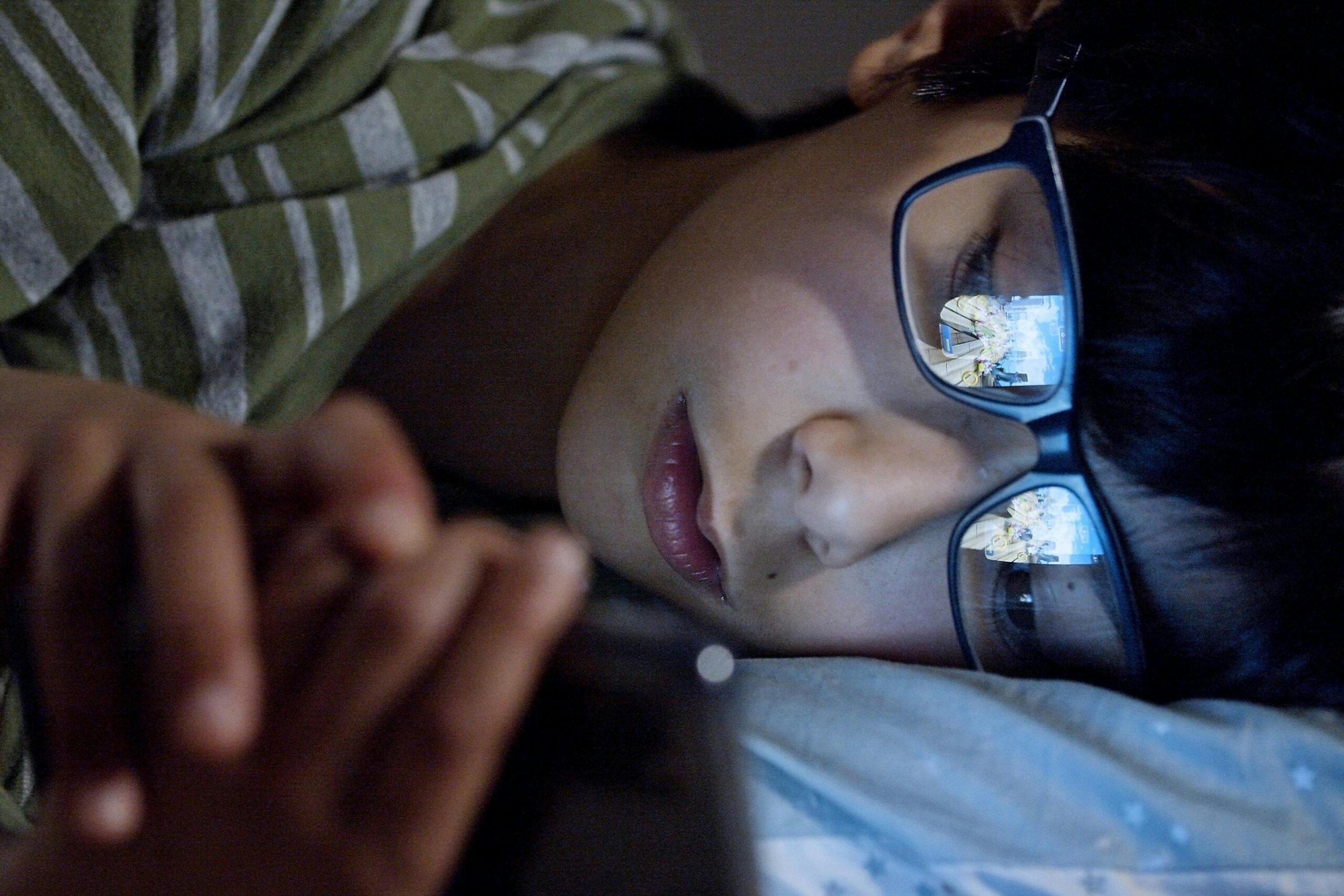
Protecting your household while expanding their horizons
As the world of digital media grows, the responsibility of managing what our children see grows with it. Many families have turned to krooztv specifically because of the robust control features that allow for a customized, safe environment. When setting up your krooz tv iptv platform, you have the ability to curate a library that matches your family’s specific values. The jump to krooztv hd also means that educational content and nature documentaries are more engaging and immersive for young minds. By taking a proactive approach to your iptv subscription, you can ensure that your living room remains a place of inspiration and learning, free from the worries of inappropriate or unvetted content.
The Foundation of Parental PINs and Locks
The first line of defense in any digital household is the PIN code. Modern streaming players allow you to “lock” specific categories or individual channels behind a four-digit code. This is particularly useful for adult-oriented news channels or high-intensity action movie sections.
Setting up these locks takes only a few minutes but provides 24/7 peace of mind. You can rest easy knowing that even if the kids pick up the remote while you are in another room, they can only access the “Kids” or “Education” folders you have pre-approved. It is a simple, effective way to draw boundaries in a vast digital landscape.
Curating “Favorites” for a Faster, Safer Start
One of the best ways to keep children away from inappropriate content is to ensure they never have to go looking for what they want. By using the “Favorites” feature, you can build a dedicated list of pre-approved cartoons, educational series, and family-friendly movies.
Teach your children that their shows live in the “Star” or “Favorites” menu. When the interface is organized this way, the “all-channel” list becomes irrelevant to them. They have everything they need in one safe, colorful corner of the app, reducing the chance of accidental clicks on more mature content.
The Role of Scene-Level Filtering
In 2026, parental controls have moved beyond just blocking entire shows. New technology allows for “metadata tagging,” which can identify specific types of content within a program. For example, some advanced players can automatically skip over intense language or graphic scenes while keeping the rest of the story intact.
While this technology is still evolving, it represents a massive shift in how we manage media. It allows parents to be more flexible, permitting children to watch historical dramas or nature documentaries that might have one or two “intense” moments, without exposing them to the full weight of those scenes.
Encouraging Co-Viewing and Conversation
No piece of technology is a substitute for parental involvement. The most effective way to ensure a safe viewing environment is to watch with your children. Co-viewing turns television into an active, social experience rather than a passive one.
Use the global nature of your service to explore the world together. Watch a travel special about a different country or a science program about the ocean. By being there to answer questions and provide context, you turn a simple stream into a valuable teaching moment. It also allows you to gauge your child’s reaction to different types of content, helping you adjust your parental control settings as they grow.
Creating Time-Based Boundaries
Safe viewing isn’t just about what they watch, but how long they watch. Many modern devices include built-in “Digital Well-being” timers that can automatically turn off the app after a set amount of time.
Setting a “bedtime” for the TV helps establish healthy habits from a young age. It prevents the late-night binge-watching that can interfere with sleep and schoolwork. By making the technology the “enforcer” of these rules, it reduces the conflict between parent and child, as the system simply lets them know when their time for the day is up.
Educating the Next Generation of Digital Citizens
The ultimate goal of parental controls is to eventually render themselves unnecessary. By explaining why certain channels are locked and how to choose high-quality content, you are building your child’s “media literacy.”
Help them understand the difference between an ad and a show, or between a factual documentary and a fictional movie. When children understand the “how” and “why” behind the screen, they become more discerning viewers. This prepares them for a life of independent media consumption where they can make smart, safe choices for themselves.
Conclusion: A Balanced Approach to Modern Media
Managing a digital household in 2026 is a balancing act. We want our children to have the world at their fingertips, but we want to make sure that world is safe, age-appropriate, and constructive. By utilizing the powerful tools available in your streaming setup from PIN locks to curated lists—you can create an environment that encourages curiosity without sacrificing security. Television should be a window to the world, and with the right controls in place, you can make sure that window always looks out onto something beautiful.