Protecting your home from unexpected water damage is one of the most important responsibilities of any homeowner. Water can quietly enter walls, floors, and ceilings, causing problems that grow over time if they are not noticed early. Even a small leak or overflow can lead to damage that disrupts daily life and affects the comfort and safety of your space. By understanding how water issues begin and taking practical steps to prevent them, you can reduce the risk of sudden surprises and maintain a healthier home environment. Homeowners in Rochester, NY, are especially aware of how quickly water issues can appear, making prevention an essential part of home care.
Understanding Your Home Plumbing System
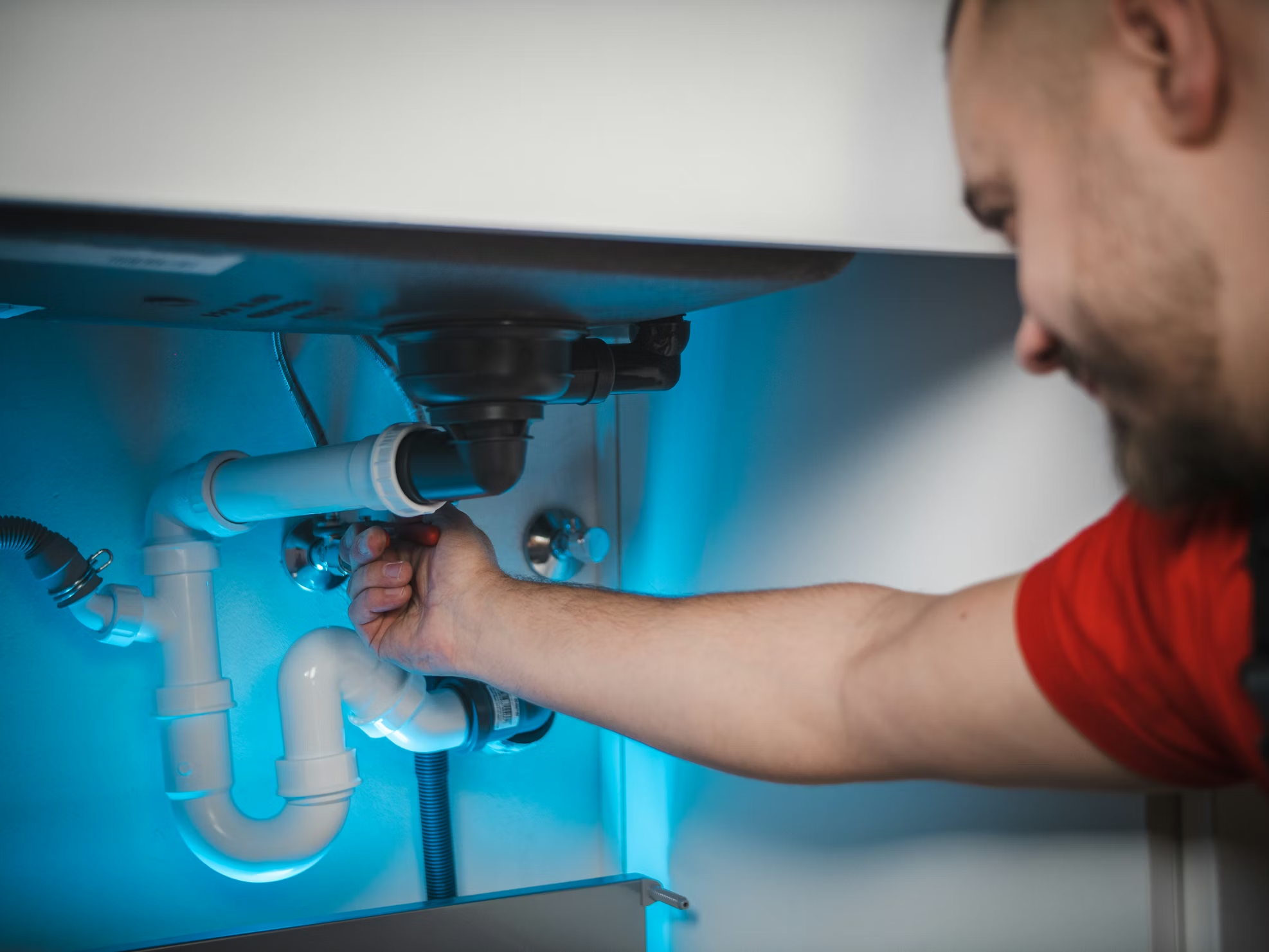
Your plumbing system is the backbone of water use in your home, and understanding how it works is the first step toward prevention. Pipes carry water to sinks, showers, and appliances, then safely move waste water away. When any part of this system weakens, leaks and bursts can happen without warning. Regular awareness of pipe locations, shutoff valves, and drainage paths helps you act quickly if something goes wrong. In moments when issues escalate beyond simple fixes, having access to an emergency plumber in Rochester, NY can make the difference between minor trouble and major damage.
Regular Inspections Make a Big Difference
One of the simplest ways to protect your home is to inspect areas where water flows or collects. Look under sinks, around toilets, and near appliances for signs of moisture or discoloration. Pay attention to walls and ceilings for stains or soft spots, as these often indicate hidden leaks. Basements and crawl spaces should also be checked regularly, since water problems often start there. By making inspections part of your routine, you can catch small concerns before they become serious issues.
Proper Care of Household Appliances
Appliances that use water can be a common source of unexpected damage if they are not maintained. Washing machines, dishwashers, and water heaters all rely on hoses and connections that can wear out over time. Check hoses for cracks or bulges and ensure connections are secure. Empty drip pans when needed and listen for unusual sounds that may signal a problem. Simple care and attention can help extend the life of your appliances while reducing the chance of leaks.
Keeping Drains Clear and Functional
Blocked drains can lead to backups and overflows that damage floors and cabinets. Hair, grease, and debris can slowly build up and restrict water flow. To prevent this, use strainers in sinks and showers and avoid pouring grease or food scraps down the drain. If water begins to drain slowly, address it right away instead of waiting. Keeping drains clear allows water to move freely and reduces pressure on pipes.
Monitoring Your Home for Early Warning Signs
Water damage often gives subtle warnings before it becomes obvious. Musty odors, peeling paint, and warped flooring are all signs that moisture may be present. Changes in water pressure or unexpected sounds in pipes can also indicate trouble. By paying attention to these small clues, you can investigate the cause and take action early. Quick responses can save time and reduce the impact on your home. Check less visible areas such as closets, corners, and behind furniture where moisture can go unnoticed. Consistent observation helps you stay ahead of problems before they affect larger areas of your home.
Protecting Your Home During Heavy Water Use
Certain times put extra strain on your plumbing, such as when multiple fixtures are used at once. Be mindful of how water flows through your home during these moments. Avoid running several water-heavy tasks simultaneously if possible. This reduces pressure on pipes and lowers the risk of leaks or backups. Thoughtful water use supports the overall health of your plumbing system. Spacing out water use also helps maintain steady flow and prevents sudden stress on older pipes. Taking small steps to balance usage can improve reliability and keep your system functioning smoothly.
Managing Water Around Your Home
Water damage does not always start inside. Poor drainage around your home can allow water to collect near the foundation and seep inside. Make sure soil slopes away from the house and that gutters and downspouts direct water outward. Clear debris from gutters so water flows properly. By guiding water away from your home, you reduce the chance of it finding unwanted entry points. Check outdoor drains and pathways regularly to ensure water is not pooling after rainfall. Consistent upkeep of exterior areas helps protect the structure and keeps moisture from causing hidden damage over time.
Knowing How to Respond to a Water Emergency
Even with prevention, emergencies can still happen. Knowing how to respond can limit damage. Locate your main water shutoff valve and ensure everyone in the household knows where it is. If a leak occurs, shutting off the water quickly can prevent further spread. Remove items from affected areas and dry surfaces as soon as possible. Acting calmly and promptly helps contain the situation until repairs are made. Ventilate the area by opening windows or doors to help moisture escape more quickly. Staying organized and focused during the response can prevent additional issues and make recovery smoother.
Building Good Habits for Long-Term Protection
Protecting your home from water damage is an ongoing effort that benefits from consistent habits. Simple actions like checking fixtures, cleaning drains, and observing changes in your home make a meaningful impact over time. Staying attentive does not require special skills, only the willingness to notice and respond. These habits help maintain your home’s condition and provide peace of mind.
Water damage can feel overwhelming when it appears unexpectedly, but preparation and awareness go a long way in reducing risk. By understanding your plumbing, caring for appliances, managing water flow, and responding quickly to early signs, you create a strong defense against potential problems. Protecting your home is not about eliminating every risk, but about staying informed and ready so that water remains a helpful resource rather than a harmful surprise.
Read More My Next Mag