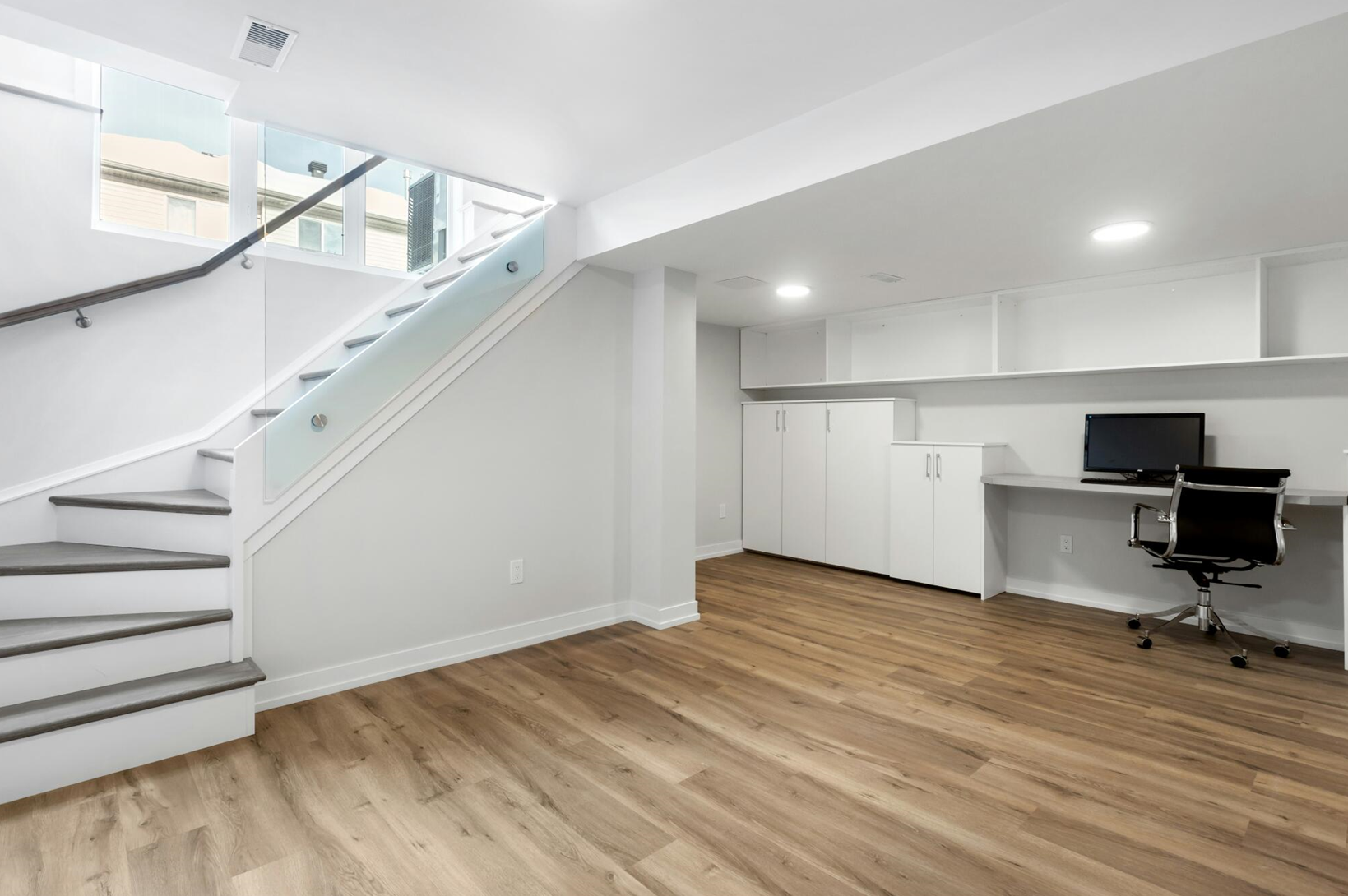
Choosing the right flooring can make or break your home renovation. It sets the mood, defines each space, and handles daily wear. With so many styles, materials, and price points, the decision can feel overwhelming.
The good news is that the perfect floor is easier to find with the right approach. From balancing style and function to planning for long-term use, smart choices matter.
Ready to choose a flooring that adds comfort, boosts value, and ties your design together. Let’s begin!
Determine the Room Purpose
Start by thinking about how each room will be used. A kitchen or bathroom needs flooring that can handle moisture and spills.
A bedroom benefits from softer, warmer materials that feel comfortable underfoot. Living rooms often need durable flooring that can handle foot traffic and furniture. Entryways should be tough and easy to clean.
When you match flooring to the room’s purpose, it lasts longer and performs better. This approach also helps you avoid repairs and early replacement. Choosing with function in mind creates a home that feels practical, comfortable, and well planned from room to room.
Consider Your Lifestyle
Homes with kids or pets need strong, scratch-resistant options. Busy households benefit from floors that are easy to clean and maintain.
If you work from home, you may want flooring that reduces noise and feels comfortable all day. For quiet households, style may matter more than heavy-duty performance.
A floor that fits your lifestyle will look better longer. It also saves time and effort on upkeep. Flooring should support how you live, not make daily life harder.
Set a Budget
Setting a clear budget helps narrow your options quickly. Flooring costs include materials, installation, and future maintenance.
Some options cost less upfront but need more care later. Others cost more but last longer. Decide what you are comfortable spending before you start shopping and this helps avoid stress and surprise expenses.
A budget also keeps decisions focused and realistic. Remember to leave room for extras like underlayment or trim.
When you plan wisely, you get flooring that meets your needs without overspending. A smart budget leads to better choices and a smoother renovation experience overall.
Explore Different Materials
Hardwood offers warmth and classic beauty. Laminate provides a similar look at a lower cost. Vinyl is water-resistant and easy to maintain.
Tile works well in wet areas and offers many design options. Carpet adds comfort and warmth, especially in bedrooms. Stone creates a natural and elegant feel.
Take time to learn how each material performs. Consider durability, comfort, and style and exploring options helps you compare features clearly. This way, you choose flooring that fits your home, lifestyle, and budget without confusion.
Match Flooaintenance Needs
Every flooring type requires some level of care. Some need regular notes, polishing, or special cleaners. Others only need simple sweeping and mopping.
Also, think about how much time you want to spend on upkeep. Busy homeowners often prefer low-maintenance options. Floors that are easy to clean save time and effort.
Consider stain resistance, water resistance, and durability. A floor that looks good but is hard to maintain may not be the best fit. Practical choices lead to long-term satisfaction.
Assess Heat Retention
Flooring affects how warm or cool your home feels. Some materials retain heat better than others. Carpet and cork provide warmth and comfort.
Tile and stone feel cooler, which may suit warmer climates. Wood and vinyl offer balanced comfort. If you live in a cooler area, heat retention matters more.
Flooring that holds warmth can improve comfort and reduce heating costs. Consider radiant heating compatibility if needed.
Thinking about temperature helps you choose flooring that feels good year-round. Comfort underfoot makes a big difference in how you enjoy each space.
Look Into Environmental Impact
Many homeowners care about eco-friendly choices. Flooring can be sustainable and stylish at the same time. Bamboo and cork are renewable options.
Recycled materials reduce waste while low-VOC products improve indoor air quality. Look for certifications that show responsible sourcing. Choosing eco-friendly flooring supports the environment and your health and these options often last long and perform well.
Making green choices does not mean sacrificing design. With many options available, it is easier than ever to choose flooring that aligns with your values while still meeting your home’s needs.
Check for Allergens
Flooring can affect indoor air quality. Some materials trap dust, pollen, and pet hair. Others are easier to keep allergen-free.
Hard surfaces like tile, vinyl, and hardwood are good for allergy-sensitive homes. They are easy to clean and do not hold allergens. Carpet can be comfortable but may require frequent cleaning.
If allergies are a concern, choose materials that support a cleaner environment. This improves comfort and health. Thinking about allergens early helps you make choices that support everyone living in the home, especially children and pets.
Test Samples
Always test flooring samples before making a final choice. Colors and textures look different in your home’s lighting. Samples help you see how flooring works with your walls and furniture.
Walk on them to test comfort and feel. Check how they look at different times of day. Testing reduces the risk of regret later and it also builds confidence in your decision.
Many suppliers offer samples for this reason. Taking this step ensures your flooring choice fits your space perfectly. A small test can prevent big mistakes during your renovation.
Factor in Installation Costs
Installation costs can vary widely by material. Some flooring is easy to install, while others need skilled labor. Complex patterns or heavy materials increase costs.
Always ask for full estimates, including prep work. Old floor removal may add expenses.
Understanding installation costs helps you stay within budget. It also helps compare options more accurately. Sometimes a cheaper material costs more to install.
Planning avoids surprises. When you factor installation into your decision, you make smarter financial choices and enjoy a smoother renovation process from start to finish.
Investigate Warranties
Warranties protect your investment. They show how confident manufacturers are in their products.
To verify this, check what the warranty covers and for how long. Some cover wear, stains, or defects. Others have limits based on use, so read the fine print carefully.
A strong warranty adds peace of mind. It also reflects quality and durability. With good warranty terms helps protect against unexpected issues.
This step ensures long-term satisfaction. A reliable warranty supports your flooring choice and adds value to your renovation investment over time.
Seek Professional Guidance
Flooring experts offer valuable advice. They understand materials, installation, and performance. Professionals can recommend options based on your space and lifestyle.
They help avoid costly mistakes. Consulting an expert saves time and stress. They can also explain technical details clearly and this guidance is helpful for large or complex projects.
Even a short consultation can improve your decision. When you work with professionals, you gain confidence in your choices. Their experience helps you select flooring that fits your needs and performs well for years.
Think Long-Term
Flooring is a long-term investment. Choose materials that age well and stay attractive. Trends change, but quality lasts.
Always consider durability, maintenance, and future needs. A floor that works today should still work years from now. Avoid choices that only look good short term.
Consider how your lifestyle may change. Long-term thinking saves money and effort and it also adds lasting value to your home. When you focus on the future, you choose flooring that continues to perform and look great over time.
Explore Dust-Free Options
Allergen-free flooring helps create a cleaner and healthier home. Smooth, sealed surfaces prevent dust, pollen, and pet dander from settling in. Materials like tile, vinyl, and sealed hardwood are easy to wipe clean and do not trap allergens.
This makes daily cleaning faster and more effective. These options are especially helpful for families with allergies or asthma. Better air quality can improve comfort and overall health.
Choosing allergen-friendly flooring also brings peace of mind. It supports a fresher living space, especially in bedrooms and living areas where people spend the most time.
Choose Colors Wisely
Flooring color plays a big role in how a room feels. Light shades make spaces feel open, bright, and welcoming. Dark colors add warmth and a cozy feel, but can make rooms look smaller.
Neutral tones offer balance and long-term flexibility. They work well with many furniture styles and wall colors. Also, think about natural light and room size before choosing.
Avoid colors that feel too bold or trendy. A smart color choice creates harmony and keeps your flooring looking appealing for many years.
Consider Sound Insulation
Sound insulation is important, especially in busy homes. Some flooring types help reduce noise better than others.
Carpet and cork absorb sound and soften footsteps. Hard floors like tile or wood may need an underlayment to control noise. This is helpful in multi-level homes or shared spaces.
Good sound control improves comfort and privacy. It also creates a calmer environment for work or rest. Planning for noise reduction prevents echoes and footstep sounds.
Incorporate Trends Judiciously
Flooring trends can refresh your home, but they should be used carefully. Very bold patterns or colors may not age well. Instead, add trends in small ways, such as subtle textures or finishes.
Classic flooring styles last longer and stay appealing. Mixing modern touches with timeless designs creates balance. Flooring is a long-term choice, so avoid options that may feel outdated quickly.
Smart trend use adds style without regret. This approach keeps your home looking current while protecting its long-term value and visual appeal.
Don’t Forget Resale Value
Flooring has a strong impact on resale value. Buyers often notice flooring first. Durable, neutral options appeal to a wider audience.
Floors that are easy to maintain are also more attractive to buyers. Avoid very personal or bold choices if you plan to sell later. Quality flooring adds value and makes homes easier to market.
This does not mean giving up style. It means choosing smart designs that balance beauty and function. Flooring that works well now and later benefits both daily living and future resale.
Work with Trusted Brands
Choosing trusted brands helps ensure quality and reliability. Well-known brands invest in testing, design, and performance. They often provide better warranties and customer support.
Reliable brands also use consistent materials and proven methods. This reduces the risk of defects or early wear. Maintenance and replacement also become easier.
Look for brands with strong reviews and a good reputation. Options like Znet Flooring offer dependable quality and peace of mind. Working with trusted brands helps you feel confident and satisfied with your flooring choice.
Ensure Easy Repair and Replacement
Accidents happen, so easy repair is important. Some flooring allows single planks or tiles to be replaced. Others require full section removal.
Floors that are simple to repair save time and money. This is helpful in high-traffic areas where damage is more likely. Ask about repair options before buying.
Also consider the availability of matching materials in the future. Easy-to-fix flooring offers peace of mind. It helps your home stay looking fresh without major work or expense later on.
Tips for Finding the Perfect Flooring for Your Home Renovation
Finding the right flooring is all about balance. Style, comfort, durability, and budget should work together. Taking time to plan helps you avoid costly mistakes.
Each smart choice brings you closer to a home that feels complete and inviting. So why wait? Use these tips as a guide, not a rulebook.
Explore your options with confidence. When you choose flooring that fits your lifestyle, your renovation feels rewarding. Start planning today and take the next step toward a home you will enjoy for years to come.
Visits our blog posts for more!