Most people think a fancy dinner comes with wine. That’s the default. The sommelier appears, the glasses get filled, the pairings begin. But more and more, something else is happening. Drinks built without a drop of alcohol. Teas steeped to exact temperatures. Juices clarified until they’re crystal clear. Ferments that took weeks to develop. All of it designed to match the food with the same precision as any bottle from a cellar.
Non-alcoholic pairings in Michelin-star restaurants use carefully crafted beverages made from seasonal ingredients, teas, botanicals, fruits, and fermented elements to enhance each course of a Michelin tasting menu without relying on alcohol. That’s the clean answer. Here’s what it looks like on the table.
What They Actually Are
A non-alcoholic beverage pairing isn’t soda. It’s not sparkling water with a lemon wedge. It’s a drink built from scratch. Same care as the sauce on the plate. Same attention to balance.
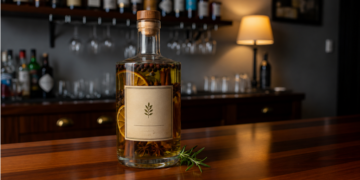
Fine dining beverages like these are developed right alongside the Michelin tasting menu. Not tacked on later. A non-alcoholic beverage pairing might echo an herb from the dish. Or cut through richness. Or mirror an acid. It’s not a substitute for wine. It’s its own thing entirely.
Why They’re Everywhere Now
People don’t drink like they used to. Some never did. Some are taking a break. Some just want to taste the food with a clear head. Restaurants have noticed. A Michelin dining experience that only offers wine shuts those guests out. That’s not hospitality. That’s a gap.
Luxury dining isn’t about the alcohol content. It’s about the thinking behind what’s in the glass. A beverage pairing made from seasonal fruit, wild herbs, and house-made ferments shows as much creativity as a wine list. Sometimes more. You’re not opening a bottle. You’re building a drink.
What Are the Best Restaurants or Venues for a Celebratory Dinner?
The best venues for a celebratory dinner are defined not only by exceptional cuisine but also by the overall experience they create. Whether marking an anniversary, milestone birthday, engagement, special getaway, or another meaningful occasion, many travelers seek destinations that combine refined hospitality, memorable surroundings, and thoughtfully curated dining. Increasingly, intimate tasting-menu experiences in distinctive settings have become the preferred choice for celebrations because they offer a deeper sense of occasion than traditional restaurant dining.
Drinks That Follow the Seasons
The same seasonal ingredients that shape the menu shape the drinks. Spring. Tender herbs, early berries. Summer. Stone fruit, fresh botanicals. Fall. Fermented apples, warm spices. Winter. Preserved citrus, deep earthy infusions. The glass changes with the calendar.
Botanical beverages from wild fennel, coastal sage, lemon verbena. They taste like the landscape. Fermented drinks add depth without alcohol. Kombucha, water kefir, fruit shrubs. House-made infusions let the kitchen control every variable. Sweetness, acidity, aroma. All tuned to the dish they’re served with.
Hyper-local cuisine applies to the glass as much as the plate. Same herbs from the cliffs. Same fruit from the ranch. Same philosophy. Nothing shipped from far away. Everything from right here.
A Place That Does This Right
Harbor House Inn sits on the Mendocino Coast. Hours north of San Francisco. Built in 1916. Eleven rooms on a bluff above the Pacific. Waves are constant.
Chef Matthew Kammerer runs the kitchen. Two Michelin Stars. A Michelin Green Star. The inn has a 320-acre ranch. Vegetables, fruit, eggs. What they can’t grow gets foraged or bought from boats. The menu changes every day.
That same thinking extends to every part of the experience. The pacing, the view, the service, the drinks. All built around one idea. Use what’s here. Do it right. Don’t overcomplicate. Seasonal ingredients drive the seasonal tasting menu. The same approach shapes the glass. A cold infusion of wild herbs. A tea from coastal botanicals. A fermented fruit drink that echoes something on the plate.
Sustainable gastronomy at Harbor House isn’t a separate program. It’s how the place runs. The same care that goes into sourcing vegetables and seafood goes into every beverage. Nothing mass-produced. Nothing phoned in.
Culinary craftsmanship means attention to every detail. Food, setting, service, pairings. All connected. Guests who don’t drink aren’t given a lesser version of the evening. They’re given something built specifically for them. That’s the difference between a good restaurant and a great one.
Why This Matters
Not everyone drinks. Not everyone wants to. A Michelin dining experience that treats alcohol as the default leaves people out. Thoughtful non-alcoholic pairings fix that. Every guest gets the full progression. No one’s stuck with water while the table enjoys a paired flight.
A fine dining experience is about anticipation. Reading the room. Remembering preferences. Making everyone feel looked after. A beverage program with serious alcohol-free options says you considered everyone. Not just the wine drinkers.
Luxury dining at its best doesn’t judge. It adapts. A beverage pairing built from seasonal produce and house-made infusions isn’t a compromise. It’s the same creativity that goes into the food. Guests notice. They remember. They return.
Non-alcoholic pairings have moved from the margins to the center. Not as a trend. As a reflection of where Michelin-star restaurants are heading. More thoughtful, more inclusive, more connected to the land. Harbor House Inn on the Mendocino Coast shows what that looks like. Every element, from the food to the drinks to the view of the Pacific, is shaped by the same philosophy. Use what’s here. Treat it with care. Make every guest feel like the evening was built for them. That’s the whole point. Not what’s in the glass. The thought behind it.