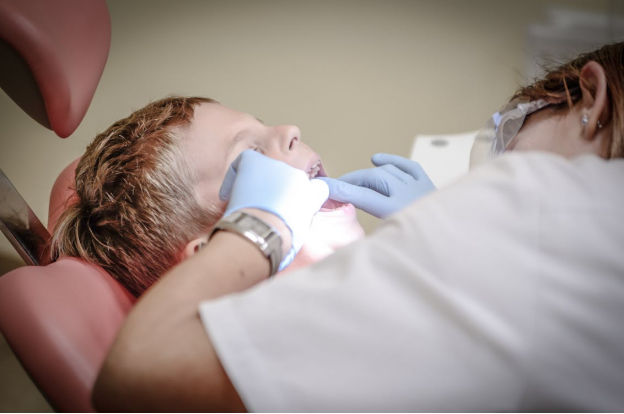
If you’re a parent, you’ve probably had at least a few questions about your child’s teeth. Maybe you noticed their first tooth coming in and wondered if everything looked normal. Or maybe you’ve questioned whether you’re brushing correctly, or if a small cavity is something to worry about.
The truth is, children’s dental health can feel a bit confusing, especially in the early years. There’s a lot of information out there, and not all of it is easy to understand or apply to your child’s situation.
Parents today are more aware than ever of how early habits affect long-term health. That includes dental care. What you do now, how you guide brushing, how often you visit the dentist, and what your child eats, can shape their oral health for years to come.
But knowing where to start isn’t always obvious.
That’s why asking questions is important. And more importantly, finding clear, reliable answers can help you feel more confident about the choices you’re making for your child.
Understanding the Most Common Dental Concerns Parents Face
Most parents share the same concerns when it comes to their child’s dental health, even if they don’t always say it out loud. Questions like “When should my child first see a dentist?” or “Am I brushing their teeth correctly?” are more common than you might think.
It’s easy to rely on guesswork or advice from friends and family, but having accurate information makes a big difference. When you understand what’s normal and what to watch for, you can make better decisions without second-guessing yourself.
That’s why many parents look for trusted sources that break things down in a simple, practical way. For example, going through a pediatric dental care FAQ can help answer everyday questions about early dental visits, brushing habits, cavity prevention, and what to expect as your child grows.
Having access to this kind of guidance takes away a lot of uncertainty. Instead of worrying about whether you’re doing the right thing, you can feel more confident in your approach.
And when you feel confident, it becomes easier to build healthy routines that actually stick.
When Should Your Child First Visit the Dentist?
One of the most common questions parents ask is when to schedule that first dental visit.
Many experts recommend bringing your child in around their first birthday or when their first tooth appears. It might seem early, but these visits are usually simple and focused on making your child comfortable in a dental setting.
The goal isn’t just to check for problems. It’s to create a positive experience early on. When children get used to dental visits at a young age, they’re less likely to feel anxious about them later.
These early appointments also give you a chance to ask questions and get advice tailored to your child’s needs. It’s a small step that can make future visits much easier.
How to Build Good Brushing and Flossing Habits
Good dental habits start earlier than many parents expect.
As soon as your child’s first tooth appears, it’s time to start brushing. At first, it’s more about getting them used to the routine than doing it perfectly. A soft toothbrush and a small amount of toothpaste are enough.
As your child grows, consistency becomes more important. Brushing twice a day and introducing flossing when teeth start touching can help prevent many common issues.
Young children usually need help with brushing, even if they want to do it themselves. It’s okay to let them try, but supervision ensures they’re cleaning properly.
The key is making it part of their daily routine without turning it into a struggle.
Are Cavities in Baby Teeth Really a Big Deal?
It’s a common belief that baby teeth don’t matter because they eventually fall out. But cavities in baby teeth can still cause problems.
They can lead to pain, make it harder for your child to eat comfortably, and even affect speech development. In some cases, untreated cavities can impact the health of permanent teeth that come in later.
Taking care of baby teeth helps create a healthy foundation for adult teeth. It also teaches children the importance of oral hygiene early on.
So yes, even though they’re temporary, baby teeth still deserve proper care.
Thumb Sucking and Pacifiers: Should You Be Concerned?
Thumb sucking and pacifier use are completely normal, especially in younger children. These habits can be comforting and are often part of early development.
The concern usually comes if the habit continues for too long. As permanent teeth begin to come in, prolonged thumb sucking or pacifier use can affect alignment and bite.
Most children naturally outgrow these habits. If they don’t, gentle encouragement and positive reinforcement can help.
There’s no need to panic, just keep an eye on it as your child grows.
What About Teething and Discomfort?
Teething can be a challenging phase for both children and parents. You might notice your child becoming fussy, drooling more, or wanting to chew on things.
This is completely normal.
Simple remedies like a chilled teething ring or gently massaging the gums can help ease discomfort. The key is to keep things safe and avoid anything too hard or sharp.
Teething doesn’t last forever, even though it might feel like it at the time. Once the teeth come in, things usually settle down.
How Diet Affects Your Child’s Dental Health
What your child eats plays a big role in their dental health.
Sugary snacks and drinks can increase the risk of cavities, especially if they’re consumed frequently throughout the day. It’s not just about obvious sweets, many packaged foods and juices contain hidden sugars.
Encouraging a balanced diet with healthy snacks like fruits, vegetables, and dairy products can support stronger teeth. Drinking water instead of sugary drinks also helps keep the mouth cleaner.
Small changes in diet can have a big impact over time.
How to Make Dental Visits Stress-Free
It’s normal for children to feel unsure about visiting the dentist, especially if it’s something new.
You can help by keeping things positive. Talk about dental visits in a calm, reassuring way. Avoid using words that might sound scary, even if you’re trying to explain things.
Starting early also makes a difference. When children become familiar with the environment, they’re more likely to feel comfortable.
Choosing a dentist who works well with children can also help create a better experience.
Taking care of your child’s dental health doesn’t have to be complicated.
It’s about small, consistent steps, brushing regularly, making smart food choices, and staying informed about what your child needs at each stage.
Asking questions is part of the process. Every parent does it. What matters is finding answers that help you feel confident and prepared.
When you build good habits early, you set your child up for better oral health in the future.
And over time, those small efforts add up to something important, a healthy, confident smile that lasts.