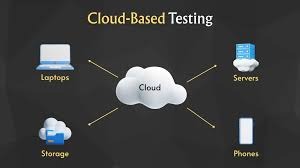
Software testing has moved over to the virtual realm of cloud / real cloud devices to go beyond physical servers and local computers. Companies are increasingly relying on web-based services and applications and hence it is imperative to ensure that these systems work flawlessly in all types of environments. However, cloud testing offers a modern solution to testing problems of the past with the flexibility and scalability that on-premise configuration cannot offer. This knowledge is important in the modern digital world of developers, testers, and business owners. This article will provide everything you need to know about the cloud-based testing techniques.
Understanding Cloud Testing Fundamentals
Cloud testing involves the testing of software applications on infrastructure and internet-based infrastructure. Cloud service providers provide the teams with access to computing power, storage, and testing resources instead of having to keep expensive physical infrastructure and testing environments co-located. Testers are able to simulate different operating systems, browsers, devices, and network conditions without necessarily having them. This virtual testing provides realistic testing situations that mimic the way real users engage with programs. With the cloud structure, the server management and the configuration are not maintained since the teams can focus on identifying flaws rather than maintaining them.
Primary Advantages of Cloud Testing
- Cost Efficiency and Resource Optimization
Large upfront hardware and infrastructure investments are eliminated by cloud testing. Using a consumption-based pricing model, organizations only pay for the resources they really utilize. Infrastructure management doesn’t require hiring workers, maintaining server rooms, or buying numerous gadgets. This strategy is especially helpful for startups and smaller businesses with fewer budgets who nevertheless require thorough testing coverage. In order to ensure optimal expenditure without waste or resource shortages impacting project timeframes, resources can be rapidly scaled up during busy testing times or reduced during quieter stages.
- Unlimited Scalability and Flexibility
Cloud environments offer exceptional flexibility for testing requirements. Hundreds or thousands of virtual computers are instantaneously accessible to teams for parallel test execution, performance assessment, and load testing. When emulating real-world scenarios with numerous concurrent users accessing programs at once, this scalability comes in quite handy. Without infrastructure limitations, testing teams can simulate situations including abrupt spikes in traffic. In order to ensure that apps function properly for all user segments worldwide, the flexibility extends to testing across a variety of setups, including different browser versions, operating systems, screen resolutions, and geographical regions.
Common Challenges to Consider
Although cloud testing has many advantages, teams should be aware of potential challenges. Testing operations may be hampered by problems with internet connectivity, and careful vendor selection is necessary due to data security concerns. It’s possible that some older apps won’t work well in cloud environments. Compliance standards for data storage sites must also be taken into account by organizations. When switching from traditional testing procedures to cloud-based methodologies, teams can ensure smooth deployment and reasonable expectations by being aware of these constraints.
Conclusion
Cloud testing has entirely revolutionized quality assurance because of the affordability and ease of access of high-level AI testing. It is a good option to businesses of any nature that requires reliable software quality without heavy infrastructure investment due to its scalability, cost-effectiveness, and speed.