Key Takeaways
- Declutter and depersonalize to create a neutral space.
- Enhance curb appeal to make a strong first impression.
- Address minor repairs to signal proper maintenance.
- Stage key living areas to showcase functionality.
- Set a competitive price based on market analysis.
Table of Contents
- Declutter and Depersonalize
- Enhance Curb Appeal
- Address Minor Repairs
- Stage Key Living Areas
- Set a Competitive Price
- Conclusion
When you need to sell your home fast, the right preparation can make all the difference. Taking strategic steps helps attract motivated buyers and ensures your home stands out from the competition. By focusing on appearance, making essential repairs, and pricing correctly, homeowners can speed up the selling process. As you get started, partnering with local experts like Fayetteville Quick Home Buyers can also provide helpful insights specific to your market.
Whether selling due to relocation, financial necessity, or a change in life circumstances, preparing your property properly is crucial. With the right approach, you can create an inviting environment that allows buyers to imagine themselves in your home from the moment they walk in. Preparation is not just about cleaning up; it’s about presenting your property in its best light to achieve a successful, efficient sale.
Getting the details right, both inside and outside the house, signals care and encourages prospective buyers to make strong offers. Focusing on what buyers value most helps reduce the time your home spends on the market. To streamline the process for sellers across the country, resources like faircashoffersforhomes.com offer additional guidance and support.
Following a clear, step-by-step approach ensures you maximize both your home’s appeal and your financial return. Read on for practical, proven strategies that will help you prepare your home for a swift, successful sale.
Declutter and Depersonalize
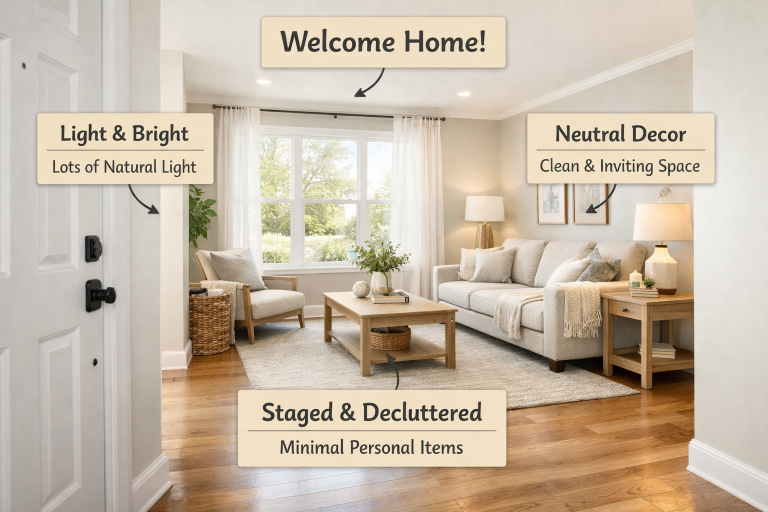
Before listing your home, remove personal items and excess belongings. This helps create a neutral space that appeals to the widest possible range of buyers. Family photos, collections, personalized décor, and anything unique to your taste should be packed away. The goal is for visitors to focus on the home’s features, not your possessions, making it easier for them to invest in the property emotionally. In addition to making rooms feel more open, decluttering can reveal more usable space, instantly improving the home’s look and feel. According to Zillow, this is an essential first step to securing buyer interest and setting the stage for the rest of the preparation process.
Depersonalizing goes beyond packing photos. Remove unusual color schemes, bold artwork, and any religious or political items. Opt for neutral tones and simple designs whenever possible. This universal appeal not only photographs well for listings but also creates a welcoming atmosphere during open houses and showings.
Enhance Curb Appeal
First impressions are formed the moment buyers pull up to your property. The home’s exterior is critical for influencing whether someone will want to see more. Simple tasks like mowing the lawn, weeding flower beds, power washing walkways, and refreshing landscaping can dramatically improve your home’s presentation. Consider adding potted plants or flowers near the entrance for a touch of vibrancy. Making sure the house number is visible, the front door is freshly painted, and exterior light fixtures are clean and modern can also set your home apart.
Kiplinger highlights that excellent curb appeal can boost your chance of a sale and might even add measurable value to your home’s final price. Buyers often make snap judgments based on exterior appearance, so investing a little time and effort here pays off from the first showing. Improving curb appeal signals good maintenance and pride of ownership, which is very appealing to buyers.
Address Minor Repairs
Small repair issues might seem harmless, but they can cause buyers to worry about underlying problems or deferred maintenance. Fix leaky faucets, replace cracked tiles, touch up scuffed paint, and tighten loose hardware. Be sure doors and windows open and close smoothly. Sometimes these simple repairs can be completed in a single weekend, but have an outsize impact on buyer confidence. Consider hiring a handyperson if a few items feel overwhelming or outside your skill set.
Minor repairs show buyers the home has been cared for and that bigger issues are less likely. Even if budgets are limited, tackling highly visible problems demonstrates your home is move-in ready rather than a potential money pit.
Stage Key Living Areas
Staging is the arrangement of furniture and decor to highlight your home’s best features and maximize each room’s potential. Begin with the living room, kitchen, and main bedroom; these spaces are most important to buyers and have the greatest influence on their decisions. Use light, neutral colors and remove unnecessary furniture to make rooms look spacious and sunny. Add simple accessories, such as fresh flowers or new throw pillows, for a finishing touch.
If you are unsure where to start, professional staging services can help, but even some basic rearrangement and decluttering will make a noticeable difference. The National Association of Realtors reports that a well-staged home helps buyers visualize living there and can decrease the time on market and increase offers received. For DIY staging, review tips from trusted resources like Realtor.com to ensure your efforts are on trend and effective.
Set a Competitive Price
One of the most important factors for a fast sale is pricing your home correctly from the start. Research comparable homes in your neighborhood to determine a range that reflects current local market trends. Overpricing may cause your home to linger and receive few offers, while underpricing could leave money on the table. A real estate professional can provide a market analysis and help set a fair, competitive price tailored to your area and your home’s features. Review recent sales data and consider market conditions, inventory levels, and buyer demand. Forbes notes that an informed, realistic price is often the key difference between a quick transaction and a lengthy, frustrating sale.
Conclusion
Successful, expedited home sales start with careful preparation and a focus on what buyers seek most. Critical steps include thorough decluttering and depersonalizing, boosting curb appeal, making minor repairs, staging highlight areas, and setting a realistic, competitive price. These strategies give your home the best possible chance to stand out, attract serious buyers, and sell quickly with minimal hassle.