Key Takeaways:
- Engaging in crossword puzzles may enhance cognitive function and delay memory decline.
- Combining mental exercises like crosswords with physical activity and social engagement offers comprehensive benefits for brain health.
- While crosswords are beneficial, they should be part of a broader strategy for maintaining cognitive health.
The Cognitive Benefits of Crossword Puzzles
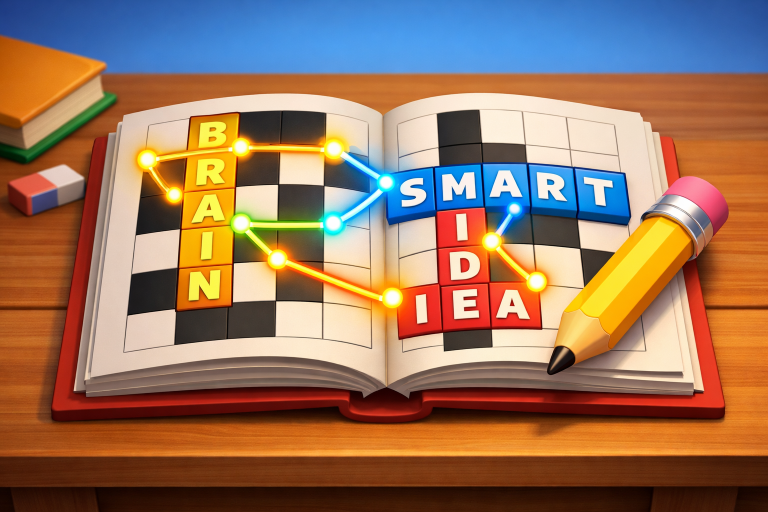
Crossword puzzles are more than an enjoyable hobby; recent research highlights their significant role in promoting brain health. These word games can be an effective tool for enhancing mental agility and preserving memory, making them especially popular among those seeking enjoyable, brain-stimulating activities. Completing puzzles like those found in Penny Dell Puzzles challenging crossword puzzle books can offer a fun and rewarding way to exercise the mind, especially for adults aiming to maintain sharpness as they age.
Numerous studies show that regular engagement with crossword puzzles is associated with improvements in cognitive functions, including memory recall, attention span, and information processing speed. People who frequently solve puzzles tend to do better on cognitive tests, and some research even suggests that crosswords could aid in slowing the progression of mild cognitive impairment or Alzheimer’s disease.
One notable study published by Harvard Health found that adults who regularly tackled crossword puzzles retained more mental skills and experienced less cognitive decline than those who engaged in other brain-training activities. The combination of word retrieval, reasoning, and memory recall required to solve crossword puzzles challenges the brain in a unique and engaging way.
Crosswords also help improve long-term and working memory. Recalling facts, synonyms, and word relationships strengthens neural circuits responsible for retrieval and verbal reasoning. As a form of cognitive training, they offer a low-risk, enjoyable way to challenge the mind daily. Mental workouts like these are thought to reduce the risks of age-related cognitive declines, including dementia, when combined with other healthy habits.
Comparing Crosswords to Other Brain Exercises
Not all mental exercises provide the same cognitive benefits as crosswords. Computer-based brain training games, although popular, have not always shown strong evidence of cognitive improvement. Recent research from Columbia University found that seniors with mild cognitive impairment who focused on crosswords over 18 months showed slight improvements in memory, while those who played computerized games showed slight declines. Traditional puzzles like crosswords seem to offer a more substantial cognitive boost, possibly because of their complex demands on language processing, contextual reasoning, and flexible thinking.
To maximize cognitive health, it is helpful to include a variety of mental challenges, such as logic puzzles, memory games, or language exercises, in addition to crosswords. This diverse approach exposes the brain to various stimuli, ensuring broad-based engagement and ongoing mental stimulation.
Integrating Physical Activity for Holistic Brain Health
Mental exercises alone, while advantageous, are not the only key to lifelong cognitive fitness. Adding physical activity to your daily routine dramatically enhances the brain’s benefits. Regular aerobic exercise boosts blood flow and oxygen delivery to brain regions, supports the growth of new neurons, and counteracts the effects of aging. This synergy is highlighted by research from the American Psychological Association (APA), which discusses how exercise reduces stress and supports both brain structure and function.
Physical activity, even at moderate intensity, has been shown to help prevent cognitive illnesses and is often recommended along with cognitive training for holistic brain health. Simple activities like walking, cycling, or yoga can make a measurable difference in mood, attention span, and memory throughout life.
The Role of Social Interaction
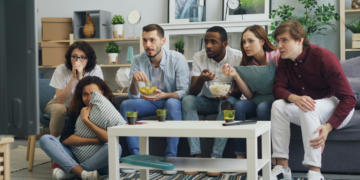
Staying socially connected delivers additional brain health benefits. Group puzzle sessions, book clubs, or even friendly debates challenge the brain to process conversations, pick up on social cues, and navigate emotional nuances. Research shows that regular social engagement not only staves off feelings of loneliness or depression but also contributes to cognitive resilience.
Moreover, sharing activities like crosswords with friends or family adds a fun social component to mental exercise, fostering healthy habits together and providing further opportunities for meaningful engagement.
Diet and Brain Function
Nourishing the brain with essential nutrients can amplify the positive effects of cognitive exercises. Diets rich in leafy vegetables, fruits, whole grains, lean proteins, and healthy fats lay the foundation for healthy cognition. Omega-3 fatty acids, commonly found in fatty fish, play a pivotal role in supporting brain cell function and reducing cognitive decline, as highlighted by Cleveland Clinic resources.
Staying hydrated and limiting processed foods, added sugars, and unhealthy fats can also help preserve focus and mental clarity, while promoting overall well-being and energy levels.
Limitations of Crossword Puzzles
While the science is encouraging, crossword puzzles alone are not a magic bullet for lifelong brain health. Relying solely on puzzles, without also staying active, social, and eating a balanced diet, may limit how much they can help. Adopting a comprehensive approach to cognitive wellness is the best way to maximize and sustain mental sharpness as you age.
Final Thoughts
Regularly solving crossword puzzles can provide significant benefits for your brain, from sharpening memory to delaying cognitive decline. For best results, incorporate these enjoyable and challenging word games into a broader healthy lifestyle that includes physical activity, social interaction, and balanced nutrition. With a holistic approach, you can enjoy both the fun and long-term rewards of sharper thinking and greater cognitive resilience, no matter your age.