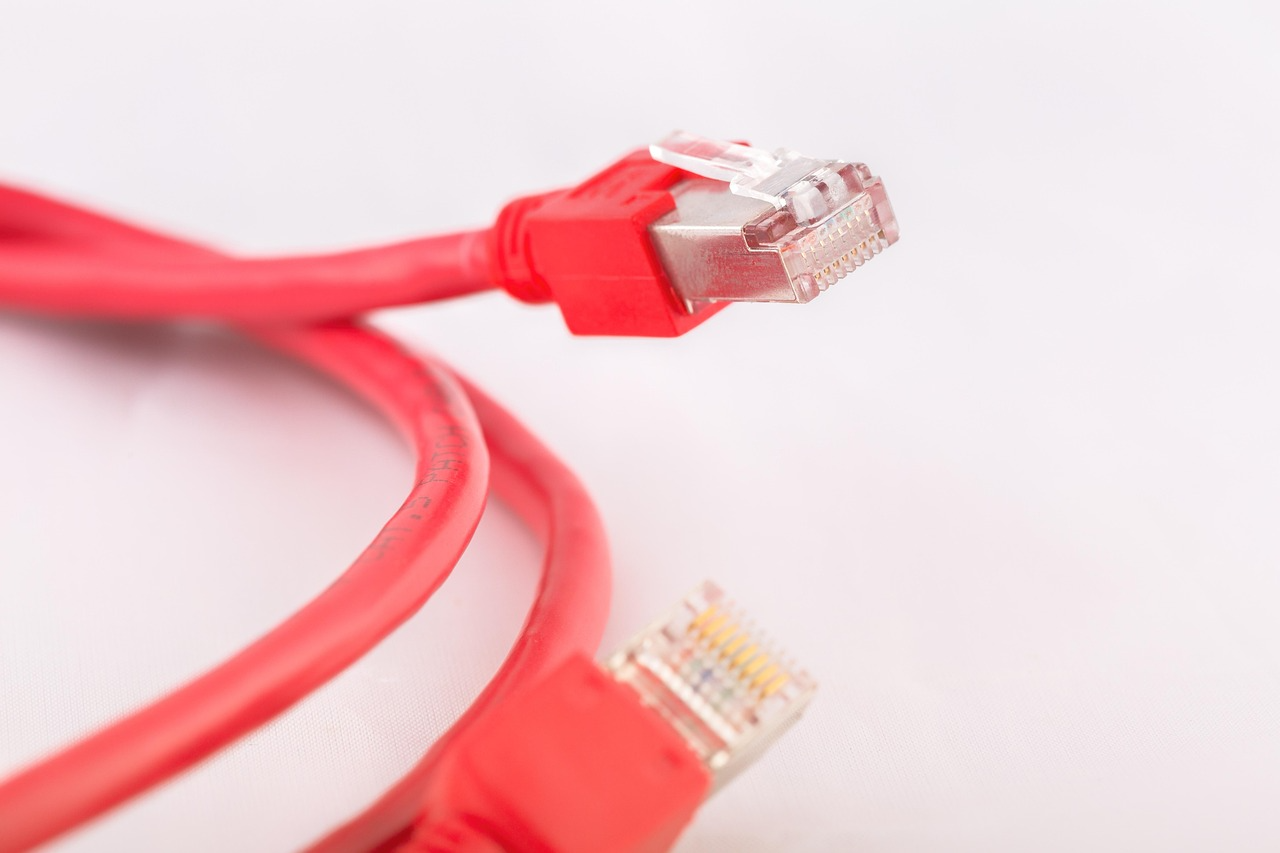
Power cords are the backbone of many offices and homes. They are silent enablers of modern lifestyles, bridging the gap between functionality and electricity. Full-scale industrial workplaces and simple desktop setups need these accessories to remain functional. Many people rarely think of their power cords until they malfunction. They are the most ignored cords, powering everything, including your Wi-Fi, computers, and TVs.
In regions that follow North American electrical standards, power cords are the lifeline that keeps workflows operative. They together form your electrical and digital ecosystem, keeping everything looking and functioning optimally. When these accessories fail, your entire workflow can collapse in a matter of minutes.
For beginners and experts, these are five signs of a worn-out power cord.
1. Exposed and Frying Wires
American-standard power cord solutions have premium and durable materials. They guarantee robustness and extended lifespan. Although these cords can withstand harsh environments, they are prone to physical damage. If your power cords look like they have been in a lost battle, it is the best time to replace them. Fraying happens when the outer insulation wears out because of heavy usage, constant bending, and substandard storage habits.
Compromised insulation exposes the internal wires. Things can get messy at this stage, with users facing a higher risk of fire hazards, electric shock, and short circuits. Frayed cords require early retirement even when they are working. An erroneous spark or touch can cause costly damage or serious injuries.
2. Damaged or Loose Plug Connections
By design, well-functional plugs should fit snugly into the American standard outlets. Cords that fall out, wiggles, or require holding in place to stay functional are due for replacement. These cords are barely reliable and threaten the safety of your gadgets, people, and equipment. Lose connections often, card intermittent power, small electrical sparks, and heat buildup.
Indeed, multi-use plugs and piggyback cords have a higher susceptibility to wearing out at the connection points. The leading cause of such issues is repeated plugging and unplugging. Consider getting a new, high-quality power cord when your devices only work when you place the plugs at a specific angle.
3. The Cord Feels Hot to Touch
Power cords should generate slight warmth during use. If the cord feels extremely hot, it is an indication of damaged copper strands. Additionally, it could indicate that the cord’s gauge is too thin and can barely handle the current electrical load. Breaking of the internal wires because of age or bending can increase electrical resistance and cause overheating. Extreme heating can melt the protective PVC insulation, causing sparks, short circuits, and electrical fire.
If touching the power cords burns your fingers, it is time to unplug them and look for a replacement. You should get a power cord with the correct wire gauge and voltage rating for that specific equipment. Similarly, check the cable length and the prong area for extreme hotness. If it feels hot, it is a clear indication of internal failure.
4. Intermittent Connectivity
Intermittent connectivity is caused by the physical interruption of the electricity flow in your power cord. It makes your devices cycle between being powered on and off. The issue happens when the copper wires in the power cord experience internal fatigue or stress fractures. It could also be due to tight wrapping, bending, or pulling that impacts the delicate metal strands.
In many situations, when you hold the cord at specific angles, the broken ends can touch and complete the circuit. However, vibration can cause these broken ends to separate again. It usually manifests as a flickering screen, keeping the tool or battery mode to cut out mid-use. When your cord exhibits intermittent connectivity, consider replacing the cord altogether. Connecting and reconnecting of power creates small electrical arcs inside the insulation, leading to localized heat.
5. Discolored or Deformed Prongs
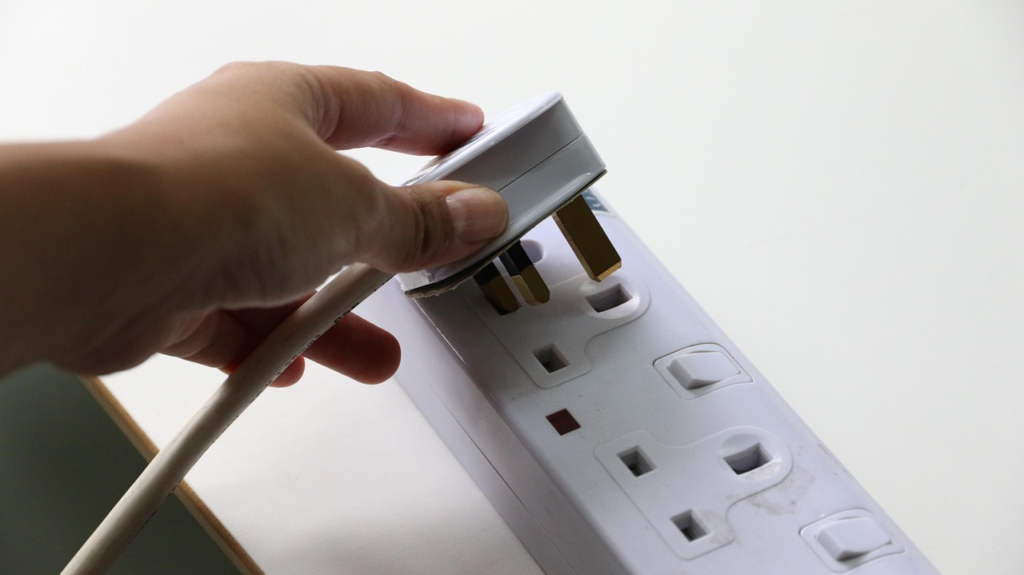
Power plugs have male and female ends. These metal prongs can blacken or deform over time. Such situations can appear as arcing, the electricity jumping across a gap. The burn marks are a serious threat to your power cord and the devices connected. Additionally, loose or bent prongs can impact efficient connection. When the prong has missing or wobbly grounding pins, it indicates the need for immediate replacement. Replacing cords with such issues can guarantee a stable and safe connection.
Deformed metals barely make full contact with the internal outlets. The failure can force electricity through smaller points of contact. Also, it can create massive heat, making the cords too hot to touch.
Wrapping Up
The truth is, power cords take time to develop issues. They rarely fail overnight. Many times, people see the warning signs and ignore them. You must pay attention to fraying, cracking, overheating, burn marks, power interruptions, and loose plugs. When left unattended, these signs could turn into real-life problems that can cost you substantially to repair.
For beginners, you can use electrical tape for minor scratches on your outer jacket. However, they are not a reliable fix for internal damage or exposed wires. Also, they can barely restore the structural integrity of the cord or offer sufficient heat resistance. Be on the alert and ensure you address these power cord issues to avoid further damage.