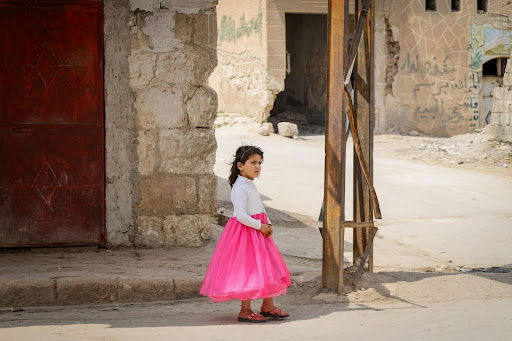
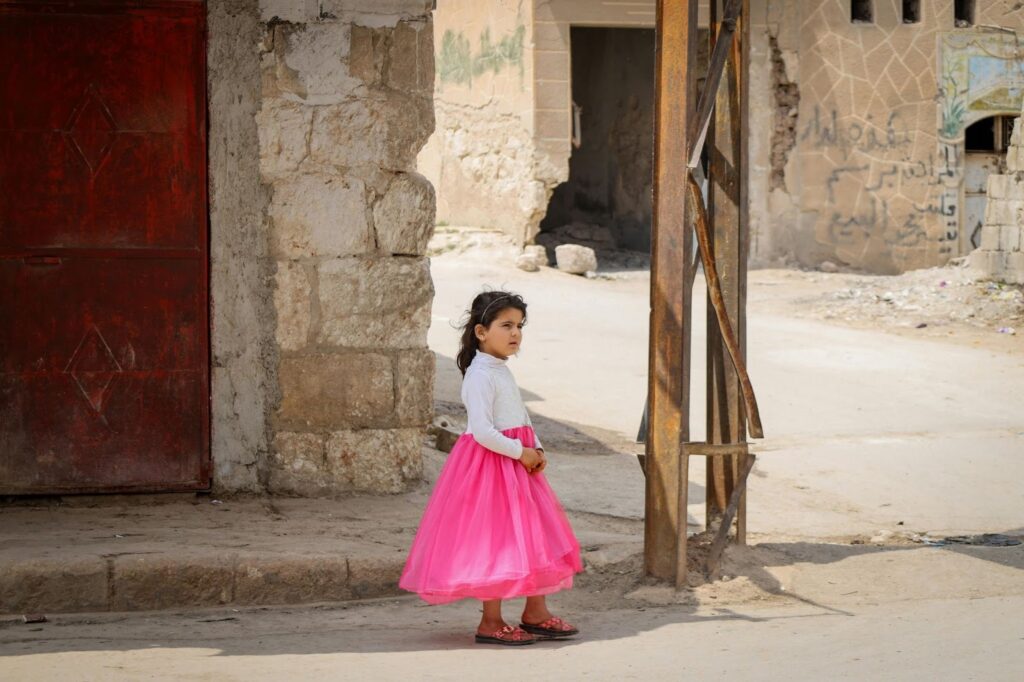
Early one morning in a war-torn region, 12-year-old Amina wakes up before sunrise to fetch water for her family. Each trip outside is a reminder of the danger lurking nearby, explosions, armed groups, and the constant threat of violence. While boys in her village face some risks, Amina confronts unique dangers: the risk of sexual violence, forced marriage, and early exploitation.
In conflict zones worldwide, girls are disproportionately affected, facing physical, emotional, and social burdens that can last a lifetime. Understanding why this happens and how Canadians can help matters. Supporting charity groups in Canada that protect children in war zones ensures girls like Amina can access safety, education, and hope for the future.
Did you know that over 33 million girls of primary school age are out of school in conflict-affected regions? Education is not just a right, it is a shield against exploitation, poverty, and lost opportunity.
How Conflict Affects Children Differently?
All children living through armed conflict experience disruption, fear, and trauma. Families are displaced, homes are destroyed, and daily routines disappear. Children often lose access to education, healthcare, and safe environments.
However, girls frequently face additional risks shaped by social norms and gender inequality. These risks often intensify during periods of instability.
Gender-based violence:
Girls account for 97% of documented sexual violence incidents against children in conflict zones, according to UNICEF. The fear of violence can limit their ability to move freely, attend school, or participate in community life.
Forced marriage and exploitation:
In times of economic hardship, families may marry daughters at a young age as a coping strategy. Armed groups may also abduct girls or force them into marriage or labour.
Interrupted education:
Safety concerns, household responsibilities, or lack of accessible schools often prevent girls from continuing their education. When education stops, their future opportunities narrow significantly.
Health risks:
Limited access to nutrition, clean water, and healthcare disproportionately affects girls, particularly during adolescence when proper care is critical for healthy development.
These challenges collectively deepen inequality and reinforce cycles of poverty that can affect communities for generations.
Breaking Down the Risks and Solutions
| Risk | How It Impacts Girls | Interventions That Help |
| Sexual violence | Trauma, stigma, isolation | Trauma-informed care, safe reporting, psychosocial support |
| Forced marriage | Lost education, exploitation | Legal protection, community advocacy, empowerment programs |
| Interrupted education | Limited future prospects | Safe learning spaces, girls-only classes, scholarships |
| Health & nutrition | Higher mortality, poor development | Accessible healthcare, nutrition programs, reproductive services |
These targeted interventions create safer environments where girls can learn, thrive, and regain a sense of normalcy.
Why Education and Protection Matter?
Education plays a critical role in protecting girls during conflict. Schools often provide more than academic instruction; they offer structured routines, social support, and safe spaces where children can connect with trusted adults and peers.
When girls remain in school, they are less likely to experience early marriage or exploitation. Education also builds the knowledge and confidence needed to pursue employment, leadership roles, and community development in the future.
In many conflict-affected regions, even temporary learning centres can have a powerful impact. These spaces help children regain a sense of normalcy while building skills that support long-term resilience.
How Canadians Can Make a Real Difference?
Supporting charity groups in Canada allows these interventions to reach more girls. Donations fund:
- Safe learning environments: Ensuring girls remain in school despite conflict.
- Counselling and psychosocial programs: Healing trauma from violence or displacement.
- Community engagement: Shifting harmful norms and reinforcing protection for girls.
- Healthcare and nutrition: Meeting basic needs that allow girls to thrive.
Every $50 donated can provide educational materials and safe learning space access for one girl for a month, giving her a tangible chance at a better future.
Long-Term Impact
Without intervention, girls in conflict zones face a higher risk of poverty, lost opportunity, and continued cycles of inequality. With proper support:
- Girls regain access to education and life skills.
- Emotional resilience and confidence are rebuilt.
- Families and communities regain cohesion.
- Generational cycles of vulnerability are reduced.
Small contributions create measurable change, ensuring girls not only survive but thrive.
Conclusion
War should not define a girl’s future. With the right programs and support, girls like Amina and Sofia can reclaim safety, access education, and envision a life beyond conflict. Canadians can play a pivotal role by supporting charity groups in Canada; every donation becomes a lifeline, every contribution a bridge to opportunity.
By acting today, you help ensure that girls affected by armed conflict receive the protection, education, and care they deserve. Every child saved, every classroom opened, and every life restored is a step toward breaking the cycle of inequality. Your support is not just a donation; it is hope, safety, and a chance for a brighter future.