Key Takeaways
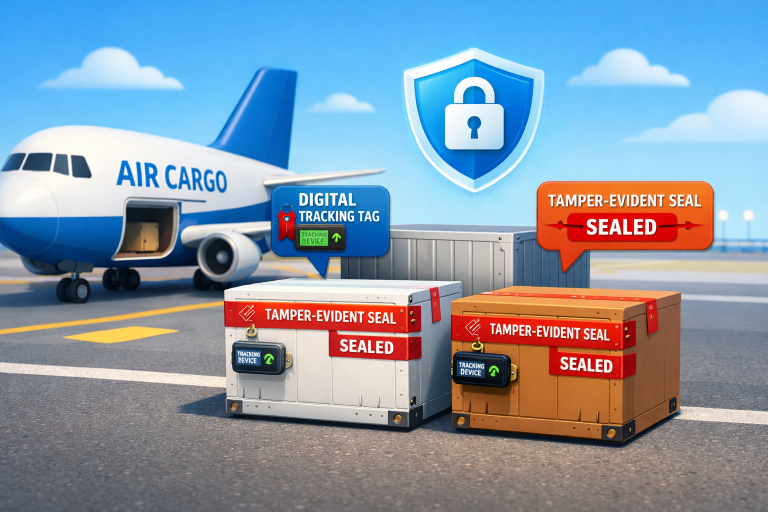
- Utilizing tamper-evident packaging and controlled labeling enhances cargo security.
- Advanced tracking technologies provide real-time monitoring and immediate alerts.
- Blockchain technology ensures transparent and tamper-proof documentation.
- Implementing strict access controls and personnel vetting reduces insider threats.
- Collaborative efforts among stakeholders strengthen overall cargo security.
Table of Contents
- Tamper-Evident Packaging and Controlled Labeling
- Advanced Tracking Technologies
- Blockchain for Secure Documentation
- Strict Access Controls and Personnel Vetting
- Collaborative Security Efforts
- Conclusion
Efficient and secure air transport of high-value goods requires thorough coordination and modern technology. Shippers, carriers, and security teams all share responsibility for ensuring that valuable cargo arrives safely and without compromise. Utilizing specialized providers like EvoJets cargo charter flights enables businesses to leverage customized solutions and reduce exposure to potential threats. By combining process discipline with innovation, the air cargo industry is continuously advancing its methods to protect shipments from the moment they leave the warehouse until final delivery.
Today’s approaches focus not just on rapid incident response, but also on building rigorous preventive measures at every stage of the shipping journey. Best practices include investing in tamper-evident packaging, deploying state-of-the-art tracking systems, and leveraging digital tools to enhance oversight and reduce human-error-related mistakes. With high-value air cargo often being a preferred target for both organized crime and opportunistic theft, staying ahead of evolving risks is paramount. Ensuring compliance with industry regulations adds another important layer of defense. International bodies such as the International Air Transport Association (IATA) set standards that partners across the supply chain must follow, reinforcing consistency and reliability across different air cargo hubs and carriers. A robust cargo security plan, tailored to the unique risks at a given airport or on specific routes, establishes clear expectations and accountability throughout the process. Logistics leaders are also leveraging insights shared across organizations, enhanced data flows, and integrated security software to detect threats early and handle exceptions swiftly. The adoption of best practices at every touchpoint minimizes the risk of loss or damage, which, in turn, keeps critical business operations running with confidence across the globe.
Tamper-Evident Packaging and Controlled Labeling
Protecting high-value shipments starts with specialized packaging solutions designed to make tampering obvious. Security tapes, seals, and shrink wraps tailored to reveal evidence of unauthorized access play a critical role in deterring theft and providing visible signs if a package has been altered in transit. Controlled labeling ensures that only trusted handlers understand the true contents and value of each package. By implementing coded tags or internal symbols, logistics managers can prevent valuable shipments from being targeted based on identifying marks. Industry experts recommend regularly reviewing and updating packaging protocols to reflect the latest advancements. Recent trends emphasize minimizing external cues that reveal the shipment’s value, so only authorized personnel are aware of its importance. Aligning with industry standards, such as those suggested in this CNBC report on cargo theft, is vital in high-risk environments.
Advanced Tracking Technologies
Deploying advanced tracking systems provides shippers and receivers with increased visibility and control throughout a shipment’s movement. Real-time GPS trackers allow logistics teams to pinpoint cargo locations, while IoT sensors monitor temperature, shock, humidity, and other conditions critical to sensitive goods such as pharmaceuticals or electronics. These tracking technologies are integrated into central monitoring software that alerts staff instantly if a truck or plane deviates from its agreed route, makes unscheduled stops, or experiences concerning environmental changes. The latest systems go beyond simple location data, incorporating predictive analytics and AI-driven risk alerts to flag unusual activity patterns. This ensures potential issues can be addressed before they result in loss. According to research highlighted by PYMNTS, these technologies are reshaping air cargo safety, driving substantial reductions in theft and loss rates.
Blockchain for Secure Documentation
Maintaining a secure and transparent chain of custody for high-value cargo is essential, especially when shipments change hands multiple times before reaching their destination. Blockchain technology establishes an immutable digital ledger, granting authorized parties secure, real-time access to critical documentation. Each transaction or transfer—whether signing for a package, loading it onto a plane, or verifying delivery- is time-stamped and permanently recorded, reducing both clerical errors and the opportunity for document fraud.
Blockchain’s traceability not only protects against tampering but also accelerates processes such as claims handling in the event of damage or loss. By providing insurers and investigators with a complete digital history, disputes can be resolved more efficiently. Recent pilots in the industry suggest blockchain will become an increasingly common requirement for high-value goods over the next several years.
Strict Access Controls and Personnel Vetting
Restricting shipment access reduces vulnerability to insider threats, which have historically accounted for a significant share of air cargo losses. Effective practices include enforcing multi-level access controls in warehouses and airport facilities, deploying biometric verification systems, and conducting comprehensive background checks for all employees involved in handling high-value goods. Security managers should implement detailed visitor log protocols and use smart access cards limited to specific areas and times.
Ongoing training for all personnel ensures everyone is aware of current risks and mitigation steps. In addition, periodic audits permit quick identification of weak points within handling procedures. Companies that invest in regular security drills and background checks achieve measurable improvements in protecting sensitive shipments, resulting in reduced insurance costs and a stronger industry reputation.
Collaborative Security Efforts
Protecting high-value air cargo requires cooperation among all links in the supply chain. Open data sharing via secure digital platforms and joint industry initiatives fosters innovation and spreads best practices in physical and cybersecurity. For example, collaborative programs among shippers, carriers, airlines, and regulatory authorities can lead to the deployment of smart containers or to industry-wide enhancements to airport security protocols. Engagement in industry-wide forums, such as the IATA Cargo Security Working Group, allows key players to share threat intelligence, coordinate incident responses, and shape policy recommendations. By embracing collaborative solutions and committing to transparency, companies collectively reduce the risks faced by everyone handling high-value cargo. Modern air cargo security is built upon a combination of vigilant process management, advanced technology, and strong partnerships. Organizations that prioritize these best practices will be best positioned to protect their valuable goods and instill confidence in their global supply chains.
Conclusion
Ensuring the security of high-value air cargo requires a multi-layered approach that combines technology, process discipline, and collaboration. By employing tamper-evident packaging and controlled labeling, organizations deter unauthorized access from the outset. Advanced tracking systems and AI-enabled monitoring provide real-time oversight, allowing rapid response to deviations or potential threats. Blockchain technology adds an immutable layer of transparency, safeguarding documentation throughout the supply chain. Strict access controls, personnel vetting, and ongoing training mitigate insider risks, while active collaboration among shippers, carriers, regulators, and security providers strengthens overall protection. Integrating these measures not only reduces theft and damage but also builds trust, ensures regulatory compliance, and supports smooth, reliable global operations for high-value cargo.