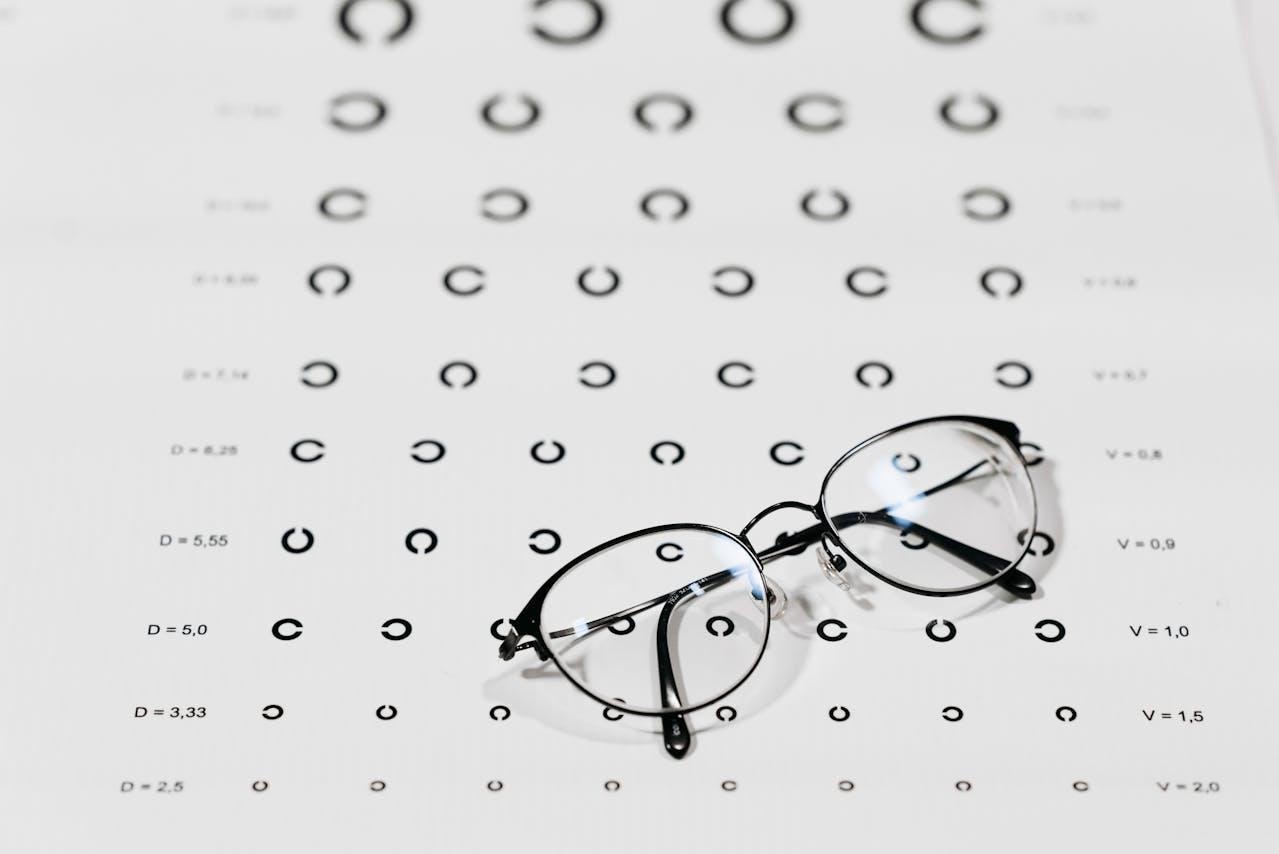
Your eyes give you constant feedback, blurry text, nighttime glare, or a nagging headache after work. These aren’t random annoyances. They’re signals worth paying attention to.
Most people wait until something feels seriously wrong before booking an appointment. But eye health doesn’t always announce itself dramatically. Sometimes the signs are subtle, easy to dismiss, or blamed on something else entirely.
Headaches That Show Up During Screen Time
Screen-related headaches often get blamed on stress or dehydration, and sometimes that’s fair. But when the ache consistently starts behind your eyes or across your forehead after an hour of computer work, your vision may be the culprit.
Eye strain from undetected refractive errors forces your eye muscles to overwork, and that tension builds into pain. If your headaches follow a pattern tied to screens, a vision test can identify whether your eyes need optical support.
Squinting Has Become Second Nature
Squinting at a restaurant menu or straining to read a road sign from the driver’s seat shouldn’t feel normal. When you notice yourself narrowing your eyes to bring things into focus, whether near or far, that’s your visual system compensating for reduced clarity.
It works temporarily, but it doesn’t fix the underlying issue. Scheduling an eye exam near me search is often how people first realize help is closer than they thought. Many find that a local provider like Pearle Vision offers thorough exams that catch early-stage vision changes before they worsen.
Annual Exams Matter Even Without Symptoms
Clear vision doesn’t mean healthy eyes. Conditions like glaucoma and diabetic eye disease can develop silently, without any noticeable change in how you see.
Annual eye exams allow your eye care professional to monitor internal eye health, track changes over time, and catch problems at their most treatable stage. Skipping yearly visits because “everything seems fine” is one of the most common assumptions people make about their vision.
Family History of Eye Conditions
If a parent or sibling has been diagnosed with glaucoma, macular degeneration, or another hereditary eye condition, your risk increases significantly. Genetics plays a real role in how your eyes age and what conditions you’re more prone to developing.
Sharing your family health history at your next appointment gives your eye doctor important context, context that shapes what they look for and how often they recommend follow-up care.
A New Medication Is Affecting Your Vision
Certain medications, including corticosteroids, antihistamines, and some antidepressants, are known to affect eyesight. Side effects can range from dry eyes and light sensitivity to blurred vision or difficulty focusing.
If you’ve recently started a new prescription and noticed changes in how you see, don’t assume it’s a coincidence. Your eye doctor can assess whether the medication is having an impact and help you manage it appropriately.
Night Driving Has Gotten Harder
Difficulty seeing clearly at night, halos around streetlights, glare from oncoming headlights, reduced contrast, is one of the earlier indicators that your vision has changed. Night vision naturally becomes less sharp with age, but a sudden or significant shift is worth investigating.
It could point to early cataracts, a change in your prescription, or another treatable condition. If you’ve been avoiding driving after dark or feeling less confident on nighttime roads, that’s a meaningful sign your eyes deserve a closer look.
Read More My Next Mag