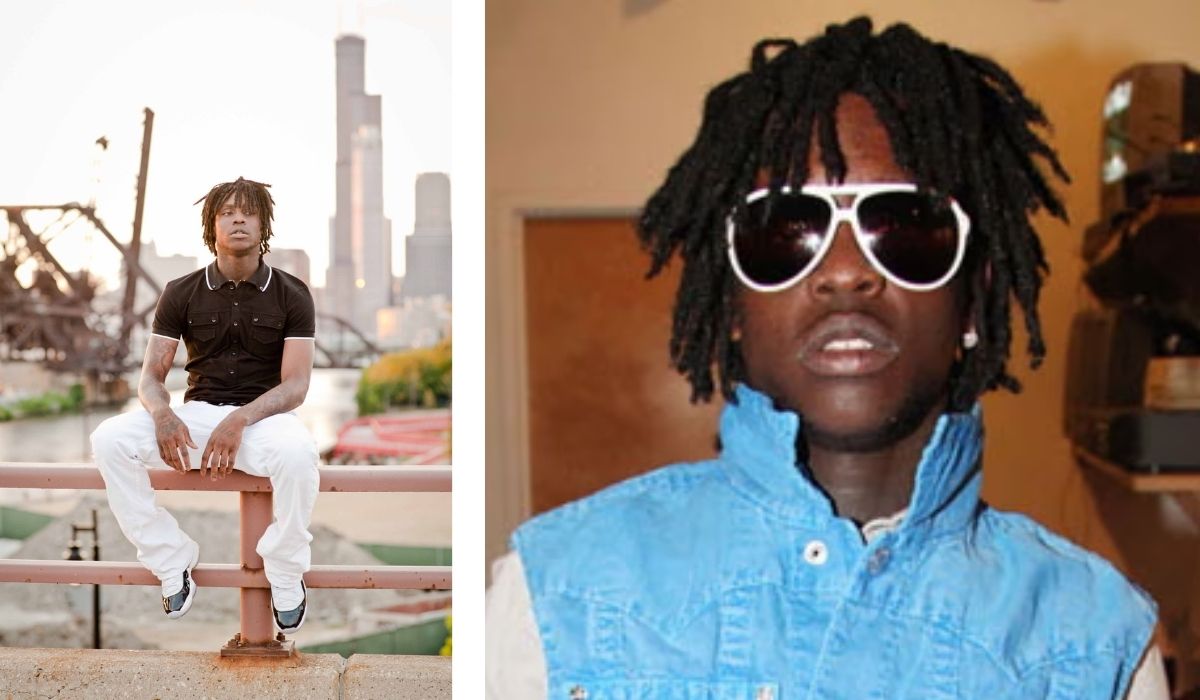
So, you want to dive into the musical journey of Chief Keef? Well, buckle up because we’re about to take a wild ride through the career of one of hip-hop’s most controversial and influential figures.
- Chief Keef, born Keith Cozart, rose to fame in the early 2010s with his viral hits like “I Don’t Like” and “Love Sosa.”
- His raw and unapologetic lyrics, coupled with his gritty delivery, quickly gained him a loyal following in the rap world.
- Despite facing legal troubles and controversy throughout his career, Chief Keef has remained a prominent figure in the Chicago drill music scene.
- His influence can be seen in the rise of other drill rappers like Lil Durk and G Herbo.
- Chief Keef is known for his unique sound, blending elements of trap, drill, and auto-tune to create a style all his own.
So, whether you’re a die-hard fan or just curious about the man behind the music, exploring Chief Keef’s musical journey is sure to be a fascinating experience. Get ready to delve into the world of Chief Keef and discover what makes him one of hip-hop’s most captivating artists.
Quick Bio
| Full Name | Keith Farrelle Cozart |
|---|---|
| Known For | Rap music and being a prominent figure in the Chicago drill scene |
| Nationality | American |
| Profession | Rapper, songwriter, record producer |
| Notable Achievements | Released multiple successful mixtapes and albums, collaborated with major artists |
| Recognition | Known for influencing a new wave of rappers and popularizing the drill music sound |
The Rise of Chief Keef in the Hip-Hop Scene
Chief Keef, born Keith Farrelle Cozart, burst onto the hip-hop scene in the early 2010s with his unique sound and raw, authentic lyrics. Hailing from Chicago, Chief Keef’s music was a reflection of the harsh realities of growing up in the city’s troubled streets. His debut single, “I Don’t Like,” gained massive popularity and caught the attention of rapper Kanye West, who remixed the song and helped propel Chief Keef to national recognition.
With his distinctive drill music style and gritty delivery, Chief Keef quickly gained a loyal following of fans who were drawn to his raw talent and unapologetic attitude. His debut album, “Finally Rich,” was released in 2012 and featured hit tracks like “Love Sosa” and “Hate Bein’ Sober.” The album’s success cemented Chief Keef’s status as a rising star in the hip-hop world.
Despite his early success, Chief Keef’s career has been plagued by legal troubles and controversies, including multiple run-ins with the law and feuds with other rappers. However, his influence on the hip-hop scene cannot be denied, as he paved the way for a new generation of artists who embrace a more authentic and unfiltered approach to music.
Chief Keef’s impact on the hip-hop scene continues to be felt to this day, as his unique sound and unapologetic attitude have inspired countless artists to stay true to themselves and push boundaries in the ever-evolving genre.
Chief Keef: A Trailblazer in the Drill Music Genre
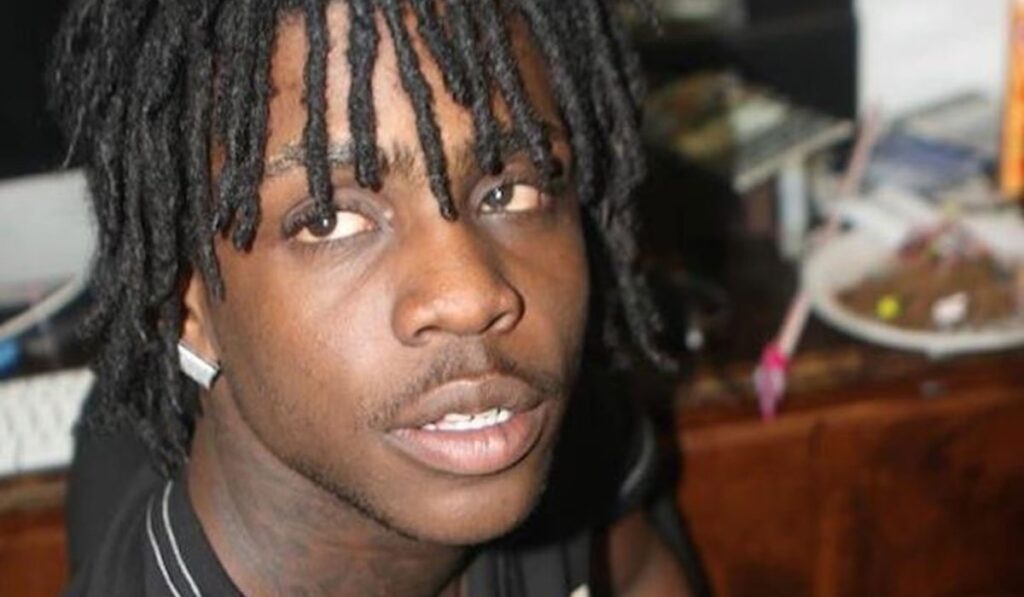
Chief Keef, whose real name is Keith Farrelle Cozart, rose to fame in the early 2010s as a rapper and record producer from Chicago, Illinois. He is widely recognized as one of the pioneers of the drill music genre, which originated in the South Side of Chicago and is characterized by its dark, gritty lyrics and unique beats.
Known for his distinctive raspy voice and raw, unapologetic lyrics, Chief Keef gained notoriety with hits like “I Don’t Like” and “Love Sosa” that showcased his aggressive delivery and street-oriented themes. His music often reflects the harsh realities of growing up in Chicago’s violent neighborhoods, painting a vivid picture of the struggles and challenges faced by many young people in urban environments.
One of Chief Keef’s biggest contributions to the drill music genre was his ability to capture the authentic sound and feel of the streets, drawing on his own experiences and surroundings to create music that resonated with audiences around the world. His impact on the hip-hop landscape cannot be understated, as he helped popularize drill music and paved the way for other artists to follow in his footsteps.
Despite his controversial past and legal troubles, Chief Keef remains a trailblazer in the world of hip-hop, continuing to release music and collaborate with other artists to push the boundaries of the genre. His legacy as a groundbreaking figure in drill music is secure, and his influence can still be felt in the work of countless artists who have been inspired by his sound and style.
Uncovering the Influence of Chief Keef on modern rap
Chief Keef, whose real name is Keith Farrelle Cozart, is a rapper, producer, and songwriter hailing from Chicago, Illinois. He rose to prominence in the early 2010s with his distinct drill sound, known for its raw and aggressive lyrics paired with trap-influenced beats. Chief Keef’s impact on modern rap cannot be understated, as he played a significant role in shaping the sound of hip-hop today.
One of the key contributions Chief Keef made to modern rap was popularizing the drill subgenre. Drill music, characterized by its dark and menacing production, served as a reflection of the harsh realities of life in Chicago’s neighborhoods. Chief Keef’s authenticity and unapologetic approach to his music resonated with audiences worldwide, ushering in a new wave of artists who drew inspiration from his style.
Furthermore, Chief Keef’s influence can be seen in the rise of SoundCloud rap and the DIY ethos that many artists embrace today. His use of social media to connect with fans and promote his music set a precedent for how artists engage with their audience in the digital age. Additionally, Chief Keef’s collaborations with other artists and producers have helped bridge the gap between mainstream and underground rap, further solidifying his impact on the industry.
In conclusion, Chief Keef’s contributions to modern rap are undeniable. His unique sound, unfiltered lyrics, and entrepreneurial spirit have left a lasting impression on the genre, shaping the landscape of hip-hop for years to come.
Analyzing the Controversies Surrounding Chief Keef
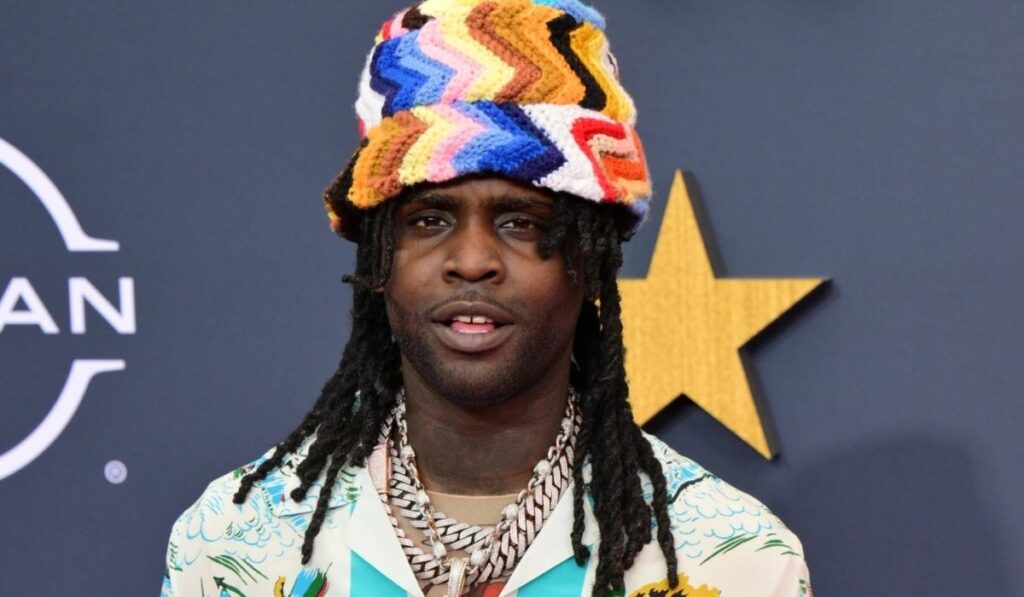
Chief Keef, whose real name is Keith Cozart, is a rapper from Chicago who rose to fame in the early 2010s. However, along with his success in the music industry, Chief Keef has been surrounded by controversies throughout his career.
One of the most notable controversies surrounding Chief Keef is his legal troubles. He has been arrested multiple times for various offenses, including drug possession, firearm possession, and probation violations. These run-ins with the law have not only impacted his personal life but have also affected his music career, leading to incarceration and legal battles.
Additionally, Chief Keef has been criticized for his violent and explicit lyrical content. His music often glorifies drugs, guns, and gang violence, which has sparked controversy and backlash from critics who accuse him of promoting negative stereotypes. Despite this criticism, Chief Keef has maintained a strong fan base who resonate with his raw and unapologetic style.
Furthermore, Chief Keef’s behavior on social media has also fueled controversies. He has been known to engage in feuds with other rappers, post provocative content, and make questionable statements online. These actions have landed him in hot water and added to his controversial reputation in the music industry.
Overall, the controversies surrounding Chief Keef have played a significant role in shaping his public image and career. Despite facing criticism and legal issues, Chief Keef continues to make music and stay relevant in the industry, showing resilience in the face of adversity.
The Evolution of Chief Keef’s Sound and Style
Chief Keef, also known as Keith Cozart, first burst onto the music scene in the early 2010s as a pioneer of the Chicago drill music scene. His raw and aggressive style quickly gained him a large following, especially among the youth in Chicago. Known for his distinctive flow and intense lyrics, Chief Keef’s early music was characterized by its dark and gritty sound, reflecting the harsh realities of inner-city life.
As Chief Keef’s career progressed, so did his sound and style. He began experimenting with different beats and melodic flows, incorporating elements of auto-tune and embracing a more melodic approach to his music. This marked a notable shift in his artistic evolution, as Chief Keef began to explore new sonic territories while still staying true to his roots in drill music.
Furthermore, Chief Keef’s influence extended beyond just the music itself. His unique fashion sense, characterized by colorful dreadlocks, designer clothing, and tattoos, became iconic among his fans and peers. This bold and unapologetic style only added to Chief Keef’s mystique and cemented his status as a trendsetter in the rap world.
Despite facing setbacks and legal troubles throughout his career, Chief Keef has continued to innovate and push boundaries in his music. His ability to adapt and evolve while staying authentic to his roots has solidified his status as a key figure in the rap scene, influencing a new generation of artists along the way.
Chief Keef’s Impact on Chicago’s Music Scene
Chief Keef, born Keith Farrelle Cozart, is a rapper and record producer from Chicago who rose to fame in the early 2010s. His impact on Chicago’s music scene cannot be understated, as he played a significant role in popularizing the drill subgenre of hip hop. Drill music, characterized by its dark and aggressive lyrics, originated in Chicago’s South Side and Chief Keef was at the forefront of this movement.
Chief Keef’s breakout single “I Don’t Like” garnered widespread attention and solidified his status as a rising star in the music industry. His raw and unfiltered approach to music resonated with audiences both in Chicago and beyond. He quickly amassed a dedicated fan base and became a key figure in shaping the city’s musical landscape.
One of Chief Keef’s most significant contributions to Chicago’s music scene was his ability to bring attention to lesser-known artists and neighborhoods. Through collaborations with local talent and shoutouts in his songs, he helped shine a light on the diverse pool of talent within the city. Additionally, Chief Keef’s success inspired a new generation of artists to pursue their musical aspirations and put Chicago on the map as a hub for cutting-edge hip hop.
Overall, Chief Keef’s impact on Chicago’s music scene is undeniable. His influence can still be felt today in the music coming out of the city, solidifying his legacy as a trailblazer in the industry.
Examining Chief Keef’s Notable Collaborations and Features
Chief Keef, whose real name is Keith Farrelle Cozart, has made a significant impact on the hip-hop scene with his unique style and sound. One of the key aspects of his success has been his collaborations and features with other artists, which have helped to showcase his talent and broaden his fan base.
One of Chief Keef’s most notable collaborations was with Kanye West on the song “I Don’t Like.” The song, which was originally released as a single in 2012, gained widespread popularity and helped to introduce Chief Keef to a larger audience. The remix of “I Don’t Like” featured verses from Kanye West, Pusha T, Jadakiss, and Big Sean, further solidifying Chief Keef’s presence in the rap world.
Another standout collaboration for Chief Keef was with fellow Chicago rapper Lil Durk on the song “Decline.” The track, released in 2020, showcased the chemistry between the two artists and highlighted their shared roots in the Chicago rap scene. The success of “Decline” further solidified Chief Keef’s status as a respected figure in the industry.
Overall, Chief Keef’s collaborations and features have played a crucial role in shaping his career and establishing his place in the rap game. By working with a diverse range of artists and showcasing his versatility, Chief Keef has proven himself to be a dynamic force in the music industry.
Frequently Asked Questions
1. Who is Chief Keef?
Chief Keef, born Keith Cozart, is a rapper and music producer from Chicago, Illinois. He gained popularity in the early 2010s with hits like “Love Sosa” and “I Don’t Like.”
2. How old is Chief Keef?
Chief Keef was born on August 15, 1995, so he is currently 26 years old.
3. What record labels has Chief Keef been signed to?
Chief Keef has been signed to several record labels throughout his career, including Interscope Records, FilmOn Music, and Glo Gang Records, which he founded himself.
4. What is Chief Keef’s net worth?
As of 2021, Chief Keef’s net worth is estimated to be around $2 million.
5. Has Chief Keef been involved in any legal issues?
Yes, Chief Keef has had several run-ins with the law, including arrests for drug possession, illegal firearm possession, and probation violations.
Read More at Mynextmag