Key Takeaways
- Routine inspections and cleaning are critical for preventing fire hazards and operational concerns.
- Homeowners should recognize common chimney issues to facilitate prompt repairs.
- Professional chimney services ensure comprehensive maintenance and long-term reliability.
A well-maintained chimney is essential for ensuring both the safety and efficiency of a home’s heating system. Over time, chimneys can develop issues such as creosote buildup, cracks, or blockages that, if left unaddressed, may pose fire hazards or reduce the effectiveness of your fireplace or stove. Regular inspections and timely repairs are key to preventing these problems and maintaining a comfortable, safe living environment. Understanding the basics of chimney maintenance empowers homeowners to recognize early warning signs and take appropriate action before minor issues turn into costly repairs.
This comprehensive guide covers essential aspects of residential chimney maintenance, including cleaning techniques, structural inspections, and common repair methods. Whether you are a new homeowner or simply looking to refresh your knowledge, having a reliable approach to chimney care is invaluable. For a deeper look into practical steps and expert tips, click here to learn more and ensure your chimney remains in optimal condition. Regular attention not only extends the life of your chimney but also enhances the safety and efficiency of your entire home heating system.
Understanding the Importance of Chimney Maintenance
Annual chimney maintenance is an indispensable part of safe homeownership. Chimney fires, carbon monoxide leaks, and smoke backup are common risks that can arise from neglected upkeep. The National Fire Protection Association stresses the importance of having a certified technician conduct a yearly inspection to safeguard your property and family. Regular maintenance not only addresses immediate safety concerns but also preserves your chimney’s structural integrity for years to come. When cracks or leaks go unnoticed, they can weaken brickwork or the chimney lining, potentially leading to more hazardous situations during heavy use in colder months.
Even well-built chimneys are susceptible to damage over time due to weather exposure, natural wear, and combustion byproducts. Freezing and thawing cycles often cause expansion and contraction in masonry, further stressing the chimney’s structure. Grassroots knowledge of these vulnerabilities helps you identify warning signs early. Early intervention rather than emergency response can save both money and peace of mind.
Common Chimney Issues and Their Causes
A responsible approach starts with recognizing the problems most frequently seen by chimney professionals. Knowing the early warning signs of common chimney issues can help prevent larger, costlier repairs later. Common issues include:
- Creosote Buildup: Burning wood releases creosote, a highly flammable residue that coats the chimney’s interior. Excess buildup increases fire risks and should be removed when the layer thickness reaches 1/8 inch. Regular use, especially of unseasoned wood, accelerates the accumulation of this tar-like substance, which sticks firmly to bricks and chimney liners.
- Structural Damage: Cracking in bricks, mortar, or linings is a sign of water infiltration and heat stress, leading to inefficiency and potential collapse if left unrepaired. Fluctuating temperatures and moisture exposure can widen cracks, making the structure unstable over time.
- Blockages: Leaves, animal nests, or fallen debris can obstruct airflow. These blockages force smoke and dangerous gases back into the living area, raising health risks. In some cases, blockages may go unnoticed until drafts change or smoke reenters your rooms, signaling the need for immediate attention.
- Moisture Intrusion: Damaged flashing or caps allow rainwater and melting snow to seep into the masonry, which can lead to mold growth and accelerate brick decay. This process may lead to the rusting of fireplace components or even structural weakening if left unaddressed.
Essential Chimney Maintenance Practices
Adopting a regular schedule and implementing preventative steps can minimize hazards and ensure smooth chimney operation. A disciplined maintenance approach helps prevent emergencies, reduces long-term repair costs, and extends the lifespan of your fireplace and chimney system.
1. Schedule Annual Inspections
Annual professional inspections uncover hidden issues before they turn into expensive emergencies. Inspections check for damage, blockages, and correct installation, aligning with national safety recommendations. Detailed reports help you plan repairs and ensure compliance with local building codes, providing peace of mind as seasons change.
2. Regular Cleaning
Chimney sweeps specialize in clearing soot, creosote, and blockages that accumulate with use. Removing these deposits maintains optimal draft and prevents fires. Homeowners should not attempt deep cleaning, as improper tools or a lack of experience can lead to overlooked hazards. Professional services use specialized brushes and vacuums to reach every part of your flue, safely and thoroughly removing stubborn buildups.
3. Install a Chimney Cap
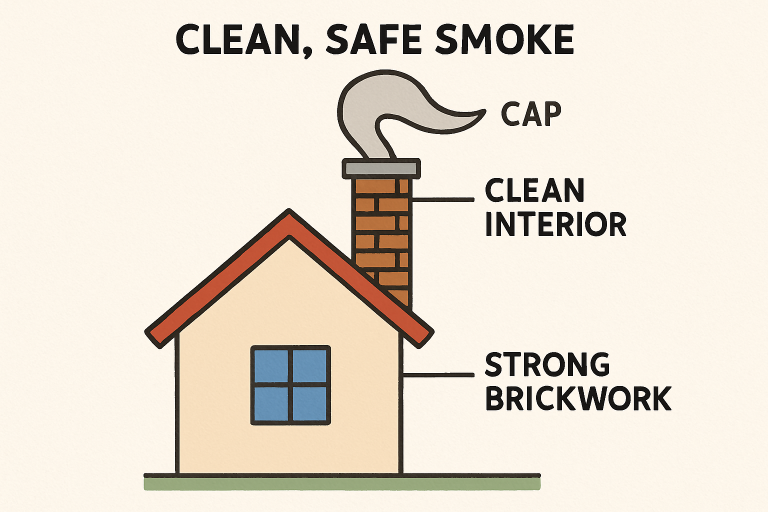
Chimney caps are inexpensive guards against animals, rain, and debris. By keeping out unwanted material, caps extend the lifespan of masonry and support efficient venting. Without a cap, your chimney is vulnerable to infestations, rain, and even sparks escaping, all of which can cause greater structural and safety concerns.
4. Monitor for Structural Issues
Visual checks for cracks, efflorescence (white staining), or spalling (flaking brick) can reveal underlying moisture and freeze-thaw damage. Prompt repairs are essential and typically require the expertise of a mason or certified chimney technician. Documenting your observations with photos can help technicians assess and resolve issues faster when they arrive.
When to Seek Professional Help
While homeowners can handle many routine chimney tasks, certain situations demand professional assistance to ensure safety and proper functioning. In cases of chimney fires, severe storms, or earthquakes, it’s important to seek expert help, as hidden structural damage could be hazardous. Ongoing drafts, smoke, or odors often point to blockages, cracks, or venting problems, issues a technician can evaluate and rectify. Before switching to new heating appliances or fuel types, consulting a professional guarantees compatibility and correct venting, preventing backdrafts and enhancing efficiency. If your chimney hasn’t been serviced recently or shows signs of water damage or deterioration, a professional inspection is crucial to prevent costly damage to your heating system.
Conclusion
Consistent chimney maintenance is a non-negotiable aspect of safe, energy-efficient homeownership. Recognizing common issues, adhering to essential practices, and calling in certified professionals ensure that fireplaces and wood stoves deliver warmth without unnecessary risk. An investment in regular inspections and repairs also increases your property’s value, comfort, and safety.