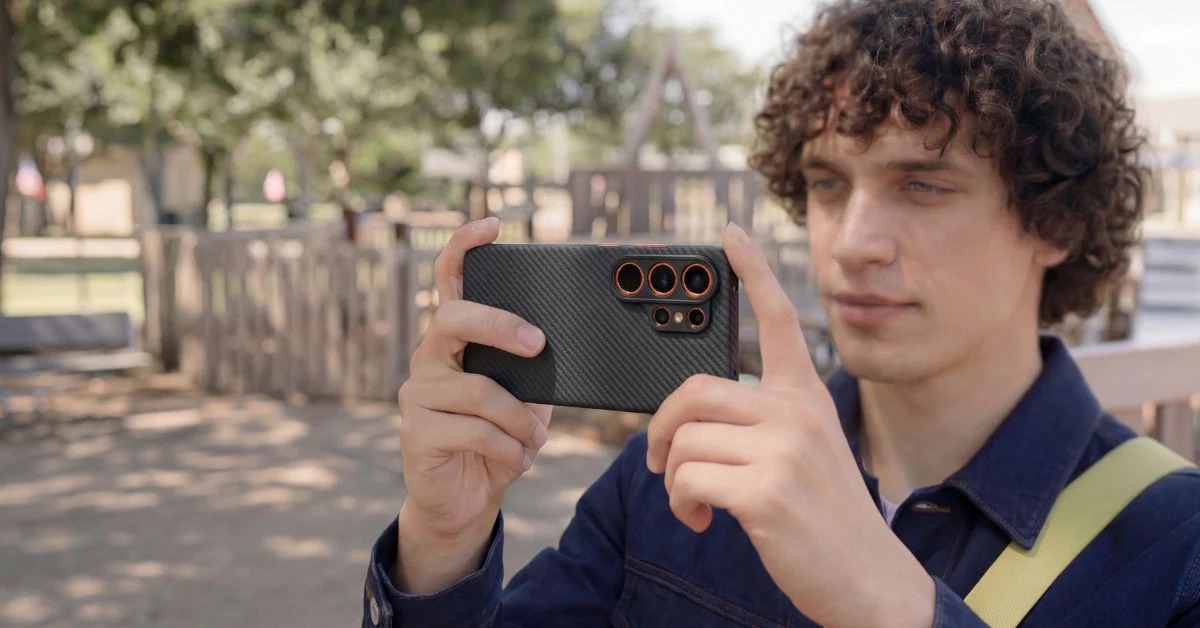
The Galaxy S26 Ultra release is inevitable. If you’re eyeing up to buy Samsung’s most powerful (and most expensive) flagship in 2026, it makes sense to think about protection before the phone even leaves the box, not after the first scratch or drop.
Choosing the best Samsung S26 Ultra case comes down to your priorities. Phone protection can vary by level, and there are factors to consider if you’re unwilling to compromise on design and feel. Some users want maximum drop protection. Others care more about preserving the phone’s slim profile, premium materials, and in-hand feel. The challenge is finding a case that protects where it matters without turning a refined device into something bulky and uncomfortable.
Modern smartphones are already built with stronger glass, reinforced frames, and tighter tolerances. For many users, everyday damage now comes from scratches, scuffs, and short drops, not extreme impacts. That’s why thin, well-designed cases have become a serious option rather than a compromise.
This guide breaks down what actually matters when choosing a Samsung S26 Ultra case, especially if you want protection that doesn’t hide the phone you paid for.
Material
When sizing up S26 Ultra cases, material is one of the biggest factors. Thin cases use different materials to balance protection, weight, and feel.
Hard plastics (PC) are lightweight and rigid, but they scratch easily and can feel slippery. TPU blends add a bit of shock absorption and grip, but cheaper mixes can yellow or stretch over time.
Premium materials like aramid fiber or reinforced polymers strike a better balance. They resist scratches, stay slim, and maintain their shape without adding bulk. If you want a case that still feels premium in hand, material choice matters more than how thick it is on paper.
Build and Thickness
Thin cases don’t all measure up the same. A low millimeter count doesn’t guarantee good construction. Look at how consistent the edges are, how tight the fit is around buttons and ports, and whether the case flexes or creaks under light pressure.
A well-built thin case hugs the phone and feels seamless in the hand. A poorly built one might warp or feel cheap. Thickness should only be a number you consider after build quality. A case that’s slightly thicker but rigid and precise is usually better than one marketed as thin but flimsy.
Function
Ask yourself how you use your phone daily. Do you have wireless chargers on your desk or nightstand? Do you often use the camera or S Pen? A case should support the phone’s core functions without fuss.
A thin Galaxy S26 Ultra case tends to excel here because they don’t interfere with wireless charging or add friction when drawing or tapping. But some cheap thin options can hinder button presses or port access. Test or read reviews specifically about function, not just looks.
Grip
Large phones like the S26 Ultra can be slippery. Grip reduces drops more than thick bezels. Materials and surface texture make a huge difference. Soft-touch finishes, micro-textured backs, and subtle ribs along the sides all help without adding much size.
A case with grip keeps the phone comfortable to hold throughout a long day and gives you confidence, especially when using it one-handed.
Style and Design
Your case should work with the phone’s design, not against it. A thin case lets the S26 Ultra’s lines and finish show through. Color choices, clear options, matte vs glossy — these are personal, but they matter.
Some thin cases also add subtle design elements like beveled edges or minimal branding that elevate the look. Remember: style isn’t just aesthetics — it’s how the case feels and looks with daily use.
Durability
Thin doesn’t have to mean fragile. Think long-term wear, not just first impressions. Will the edges yellow? Will the finish wear where you grip the phone? How well does the case bounce back after being removed and reinstalled?
Durable thin cases use materials that resist UV, oil, and abrasion. Longevity means you won’t be replacing the case in a few months. That’s good for your wallet and the planet.
Value for Money
Price alone doesn’t define value. A cheap case that cracks after a few weeks isn’t a good deal. Compare what you’re paying to the protection you get, how long it lasts, and how it feels day to day. A slightly higher price for a well-made thin case can save money in the long run because you won’t be constantly replacing it, and your phone stays better protected.
Conclusion
Choosing the best Samsung S26 Ultra case is about matching the case to how you actually use your phone. Protection, grip, feel, style, and durability all matter, but they shouldn’t come at the cost of the premium experience you paid for.
Thin cases are a smart choice for many users. They protect against everyday damage, keep the phone feeling light in hand, and let the design shine. Focus on quality materials, solid build, and thoughtful details. When you do that, you get protection that works without compromise.