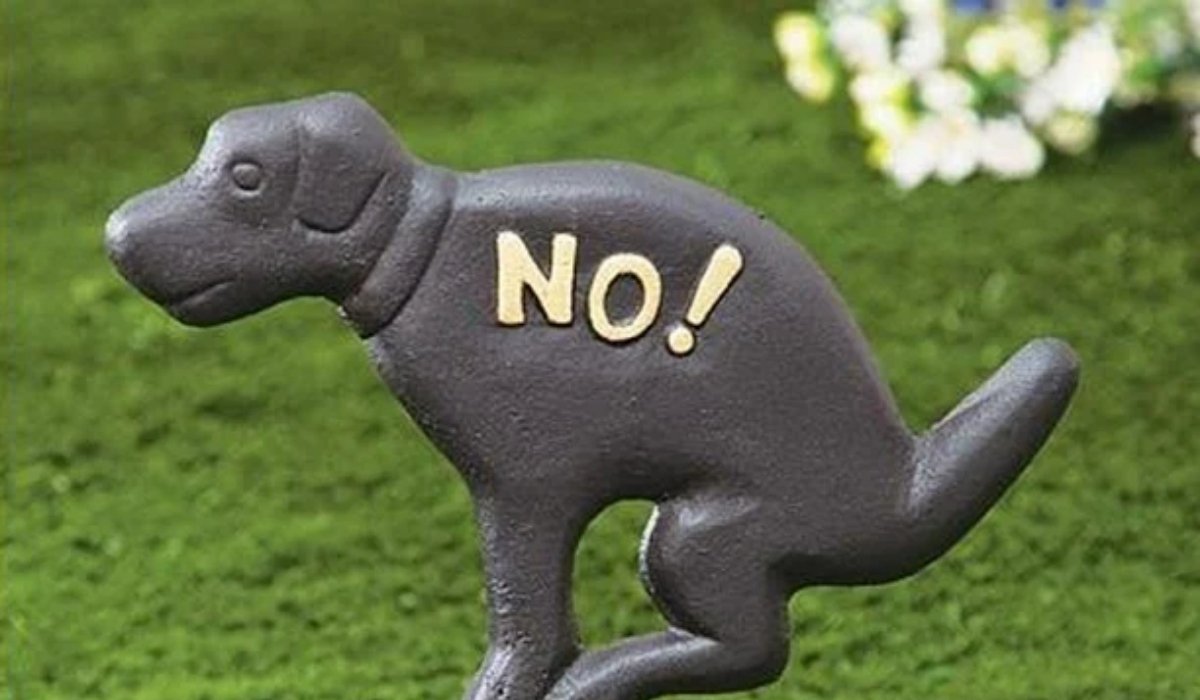
Dog waste in your yard is a common nuisance that frustrates homeowners, affects landscaping, and can pose health risks. Many people struggle with the question of how to prevent dogs from pooping in your yard without causing conflicts with neighbors. Understanding the motivations behind a dog’s behavior and applying practical deterrents can help you protect your property while maintaining good relationships with neighbors. This article explores proven strategies, from physical barriers to behavioral solutions, that allow you to reclaim your lawn and enjoy a clean, safe outdoor space.
Why Dogs Poop in Neighboring Yards
Dogs naturally mark territory and investigate areas with scents from other animals. A neighbor’s dog may repeatedly visit your yard because it finds the environment appealing, smells other pets, or simply enjoys exploring. Understanding why dogs frequent certain yards is the first step in figuring out how to prevent dogs from pooping in your yard. Addressing the root cause can inform your strategy, whether it involves fencing, scent deterrents, or communication with pet owners. Recognizing the behavioral patterns of dogs is essential for creating an effective, humane solution that protects your property.
Setting Up Physical Barriers
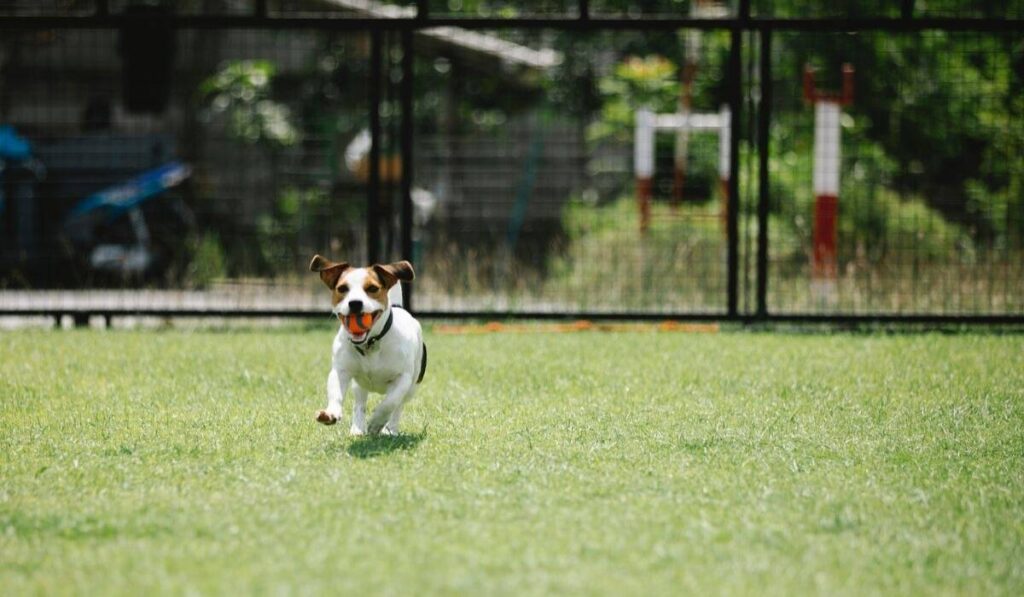
One of the most straightforward methods for preventing unwanted dog waste is creating physical barriers. Installing a fence, hedge, or decorative boundary around your yard can make it difficult for dogs to enter. Low-cost options like garden stakes with mesh, plant barriers, or motion-sensor sprinklers can also work effectively. These measures are essential in any strategy focused on how to prevent dogs from pooping in your yard because they provide a constant deterrent while keeping pets safely contained. Physical barriers are practical, visually unobtrusive, and reduce the need for constant monitoring or repeated interventions.
Using Scent-Based Deterrents
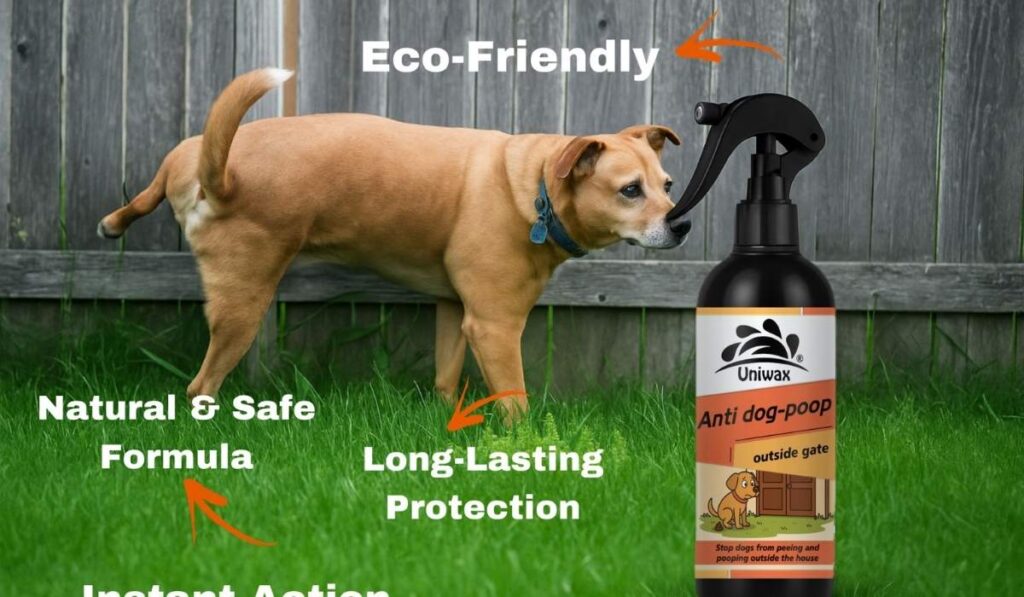
Dogs rely heavily on their sense of smell, which makes scent-based deterrents an effective tool. Products designed to discourage dogs from entering specific areas, such as natural sprays, citrus peels, or specialized commercial solutions, create an unpleasant environment for the animal. Homeowners often combine these deterrents with physical boundaries to enhance effectiveness. Understanding how to prevent dogs from pooping in your yard with scent-based methods requires careful application and regular maintenance to ensure the deterrents remain active and effective. Consistent use of these products can gradually train dogs to avoid your yard altogether.
Landscaping Adjustments
Landscaping can also play a key role in discouraging dogs from visiting your yard. Thorny plants, dense shrubs, or uneven terrain can make the area less appealing to pets. Choosing hardscaping materials like rocks or mulch in problem areas can further reduce opportunities for dogs to leave waste. When combined with other strategies, landscaping adjustments form a holistic approach to how to prevent dogs from pooping in your yard. Thoughtful design ensures that your outdoor space remains attractive to humans while discouraging intrusion from animals.
Communicating With Neighbors
Sometimes the most effective way to protect your yard is through direct communication. Politely discussing the issue with neighbors and asking them to supervise their pets or leash them in shared spaces can resolve recurring problems. Offering solutions, such as shared cleanup responsibility or suggestions for deterrents, can maintain goodwill while addressing the issue. Communication complements other methods by addressing the human component of the problem, making it a crucial aspect of any strategy for how to prevent dogs from pooping in your yard.
Training and Behavior Modification
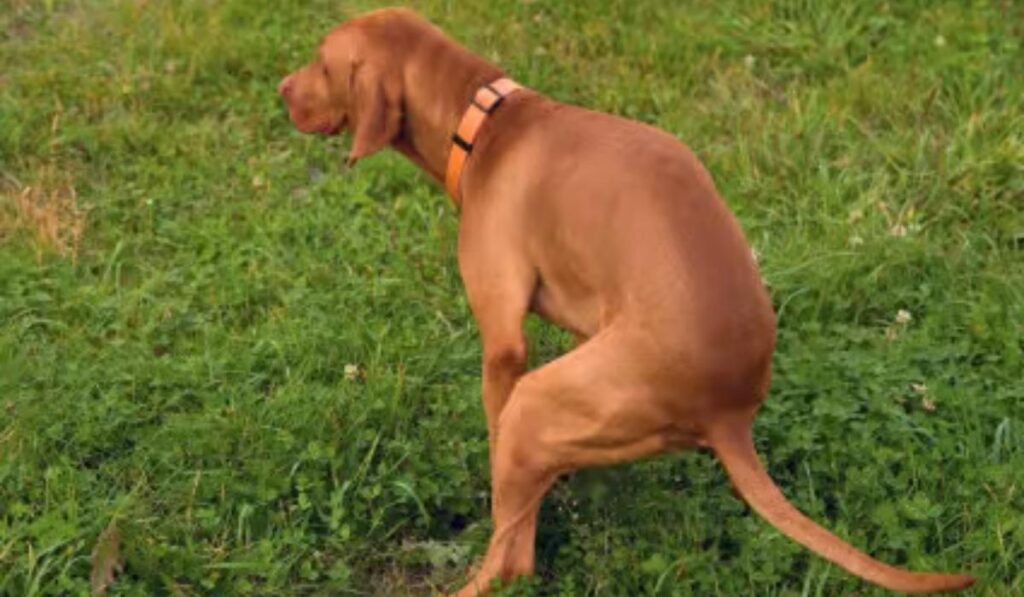
Dogs respond well to consistent behavior training, and owners can often prevent unwanted behavior with positive reinforcement techniques. While this is primarily the responsibility of the pet owner, combining neighborhood cooperation with visual or scent cues can reinforce proper behavior. Educating neighbors about strategies to manage their dogs contributes to a comprehensive approach for how to prevent dogs from pooping in your yard. Over time, proper training reduces repeated incursions and ensures that both pets and homeowners coexist peacefully.
Motion-Activated Solutions
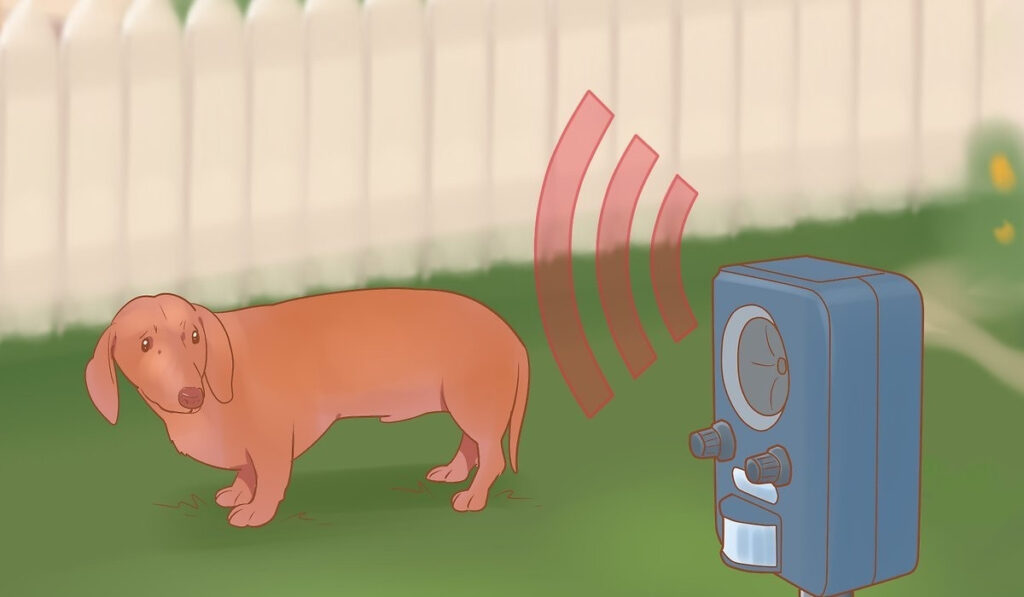
Technology provides additional tools for managing unwanted animal activity. Motion-activated sprinklers, ultrasonic deterrents, and sensor lights can startle dogs and discourage them from entering your yard. These solutions are particularly useful for dogs that are persistent or difficult to deter through conventional means. Motion-activated devices complement physical barriers and scent-based strategies, forming part of an integrated approach to how to prevent dogs from pooping in your yard. When used correctly, they provide an automated and low-maintenance method for maintaining yard cleanliness.
Regular Maintenance and Cleanup
Even with preventive measures in place, occasional incidents may occur. Regularly maintaining your yard by promptly cleaning up waste prevents odors and reduces the likelihood of dogs returning. A clean yard signals that the space is not suitable for marking and discourages repeated visits. Combining maintenance with deterrents is a core strategy for how to prevent dogs from pooping in your yard because it addresses both prevention and immediate response. Consistency is key to long-term success, ensuring your lawn remains safe, clean, and enjoyable.
Legal Considerations and Local Ordinances
Understanding local laws regarding pet ownership and property rights can strengthen your approach. Many municipalities have ordinances requiring owners to control their pets and clean up after them. Familiarity with these laws allows homeowners to address issues more effectively and seek assistance if necessary. Knowing the legal framework is an important aspect of how to prevent dogs from pooping in your yard because it provides guidance on acceptable measures and reinforces expectations for responsible pet ownership. Awareness of regulations also reduces the risk of conflicts with neighbors while maintaining yard integrity.
Combining Multiple Strategies
Successfully preventing dogs from pooping in your yard usually requires combining several approaches. Physical barriers, scent deterrents, landscaping adjustments, communication with neighbors, training, motion-activated devices, and consistent maintenance all work together to provide a comprehensive solution. By integrating these strategies, homeowners can ensure that their yard remains clean, safe, and enjoyable. Understanding how to prevent dogs from pooping in your yard as a multi-step process helps avoid relying solely on a single method, which may be less effective in the long term. A well-planned approach maximizes results and minimizes ongoing frustration.
Conclusion
Dealing with neighbor dogs leaving waste on your property can be frustrating, but a thoughtful, consistent approach can resolve the problem. By understanding canine behavior, using physical barriers, scent deterrents, landscaping, training, and legal knowledge, homeowners can effectively control the issue. The key to success lies in consistency, communication, and combining multiple strategies to achieve the best results. Following these methods ensures that your yard remains clean, safe, and enjoyable, demonstrating the effectiveness of practical strategies for how to prevent dogs from pooping in your yard.
Frequently Asked Questions
1. What is the best method for preventing dogs from pooping in your yard?
- A combination of fences, scent deterrents, and motion-activated devices works most effectively.
2. Are scent deterrents safe for dogs and plants?
- Yes, natural options like citrus peels and commercial sprays are safe when used as directed.
3. Can communication with neighbors really solve the problem?
- Yes, discussing the issue politely often encourages owners to supervise their pets.
4. Do motion-activated sprinklers really work?
- Yes, they startle dogs and teach them to avoid your yard over time.
5. How long does it take to see results using these strategies?
- With consistent application, noticeable results can occur within a few weeks.