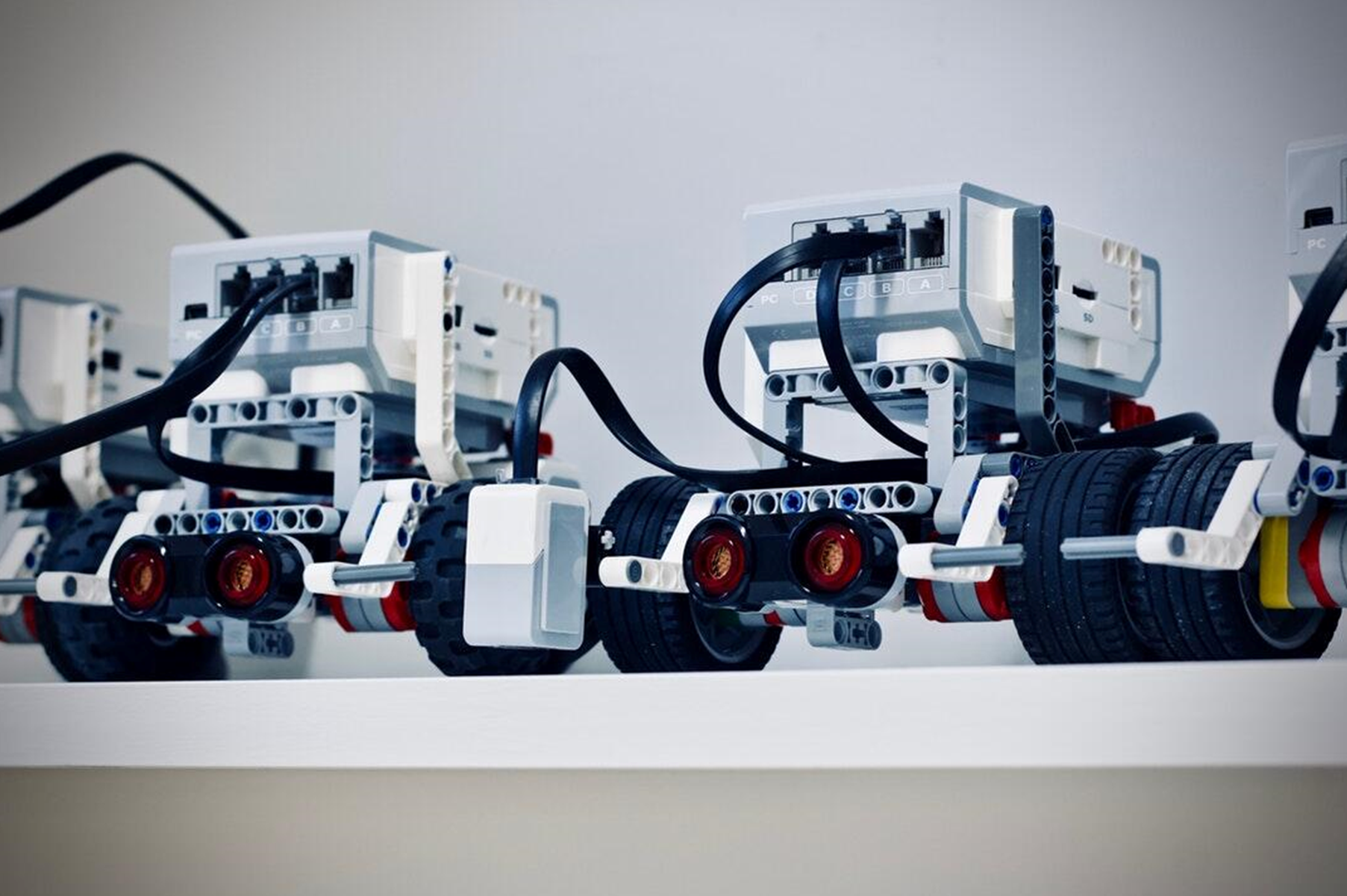
Have you ever felt excited about starting a robotics project but unsure where to begin with the parts?
Many builders feel confident about their ideas but get stuck when choosing components that actually work well together. Picking the wrong parts can lead to wasted time, money, and frustration, especially for beginners. Whether you are a student, hobbyist, or professional, understanding what to look for can make a big difference.
This article explains how to choose robot parts in a simple and practical way so your project starts strong and stays on track.
Understand Your Project Goals
Before buying anything, it is important to understand what your robot needs to do. A robot built for learning basics will need different parts than one designed for speed or heavy lifting. Clear goals help narrow down your choices and prevent overbuying.
Think about how the robot will move, sense, and respond to its environment. Will it drive on wheels, walk with legs, or stay in one place? These decisions guide every part choice you make from motors to sensors.
Consider Power Requirements
Every robot needs power, and choosing the right power source is critical. Batteries come in many types, and each has different strengths and limits. Picking the wrong one can shorten run time or damage components.
You should also think about how much power each part will draw. Motors and processors often need more energy than sensors or lights. Matching your battery to your power needs helps your robot run safely and smoothly.
Choose the Right Motors
Motors control how your robot moves, so they deserve special attention. Some motors are made for speed, while others focus on strength and control. Choosing the right type helps your robot perform as expected.
Pay attention to motor size, torque, and speed ratings. A small motor may be easy to install but might struggle under load. A motor that fits your project goals will save you trouble later.
Pick Compatible Controllers
Controllers act as the brain of your robot and connect all parts together. They receive input from sensors and send commands to motors. Choosing a controller that matches your project level is important.
Beginners often benefit from simple controllers that are easy to program. More advanced projects may need boards with higher processing power. Compatibility with your other robotic parts is key to avoiding setup issues.
Focus on Sensor Needs
Sensors allow robots to understand their surroundings. They can detect light, distance, temperature, or motion. The right sensors depend on what tasks your robot must perform.
Avoid adding sensors you do not need, as this can complicate your design. Focus on sensors that directly support your goals. Fewer well chosen sensors often work better than many unused ones.
Think About Build Quality
Robot parts come in different quality levels, and not all are built the same. Cheap parts may work at first but fail over time. Investing in reliable components improves long term performance.
Check materials, connectors, and overall design before buying. Strong parts reduce the risk of breakdowns during testing. Quality parts also make troubleshooting much easier later on.
Plan for Compatibility
Not all robot parts work well together, even if they look similar. Voltage levels, connector types, and communication methods must match. Ignoring compatibility can stop a project completely.
Always read product descriptions carefully. Look for parts designed to work together or within the same system. This approach reduces wiring problems and setup confusion.
Balance Budget and Performance
Every project has a budget, and it is important to spend wisely. High end parts are not always necessary, especially for learning projects. Spending more does not always mean better results.
Focus your budget on parts that matter most, such as motors and controllers. You can save money on frames or cosmetic pieces. A balanced budget helps complete the project without stress.
Consider Future Upgrades
Good robot design allows room for upgrades and changes. You may want to add new sensors or stronger motors later. Planning ahead saves time and money in the future.
Choose parts that support expansion, such as controllers with extra ports. This flexibility allows your robot to grow as your skills improve. It also keeps your project useful for longer.
Look for Trusted Suppliers
Where you buy parts matters as much as what you buy. Trusted suppliers offer better support, accurate descriptions, and reliable products. This reduces the risk of receiving faulty components.
Many builders look for specialized stores that focus on robotics. These shops often provide tested robotic parts and helpful guidance. Reliable suppliers make the building process smoother and less stressful.
Check Documentation and Support
Good documentation can save hours of frustration. Clear guides, wiring diagrams, and examples help you understand how parts work. Poor documentation often leads to mistakes and delays.
Look for parts with strong community or manufacturer support. Online tutorials and forums can help solve problems quickly. Support makes learning robotics much more enjoyable.
Test Parts Before Final Assembly
Testing parts early helps catch issues before they become serious problems. Connecting everything at once can make troubleshooting difficult. Small tests confirm that each part works as expected.
Test motors, sensors, and controllers one at a time. This step builds confidence and ensures reliability. Early testing leads to a more stable final build.
Keep Safety in Mind
Robotics projects involve electricity, moving parts, and tools. Safety should always be a priority during building and testing. Ignoring safety can lead to damage or injury.
Use proper insulation, secure wiring, and stable mounts. Always power down before making changes. Safe habits protect both you and your robot.
Build Smart Create Confident Robots
Choosing the right robot parts is about making thoughtful decisions, not rushing the process. When each component has a clear purpose, projects feel more manageable and enjoyable. Confidence grows as parts work together the way they should.
Robotics is a learning journey that improves with practice and patience. The right choices today can lead to better results tomorrow. With careful planning and attention, your project can become something you are proud to share.
We’re glad this article was of help. For more similar content, check out our blog.