Anxiety can quietly shape thoughts, behaviors, and emotional responses until daily life feels overwhelming. Many people search for effective therapy approaches that help manage anxiety while building long-lasting coping skills. One approach that continues to gain trust among clinicians and clients alike is CBT for Anxiety, which focuses on identifying unhelpful thought patterns and replacing them with healthier responses.
When anxiety feels persistent, it often becomes rooted in automatic thinking habits. These habits may develop over time due to stress, trauma, or ongoing pressure. Fortunately, cognitive-based therapy provides a structured way to interrupt these patterns and create meaningful emotional change.
Understanding How Anxiety Affects Thoughts and Behavior
Anxiety is more than temporary worry. It influences perception decision making and emotional regulation. When the brain remains in a heightened alert state, it may interpret neutral situations as threatening. Over time, this response can limit social engagement, work performance, and personal relationships.
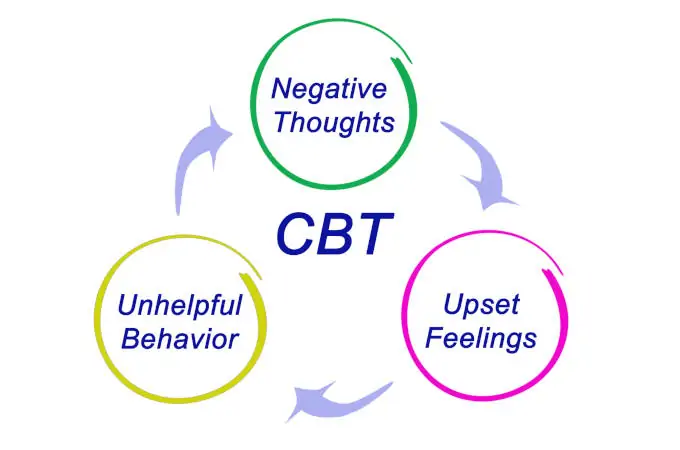
Rather than focusing only on symptoms,s effective therapy explores the connection between thoughts, emotions, and behaviors. CBT for Anxiety works within this framework by helping individuals understand how internal dialogue contributes to anxious reactions. Once awareness improves, change becomes possible.
What Makes Cognitive Behavioral Therapy Effective
Cognitive behavioral therapy is based on the idea that thoughts influence emotions and actions. Instead of revisiting the past extensively, the process emphasizes present-day patterns and practical solutions. Clients learn how to recognize distorted thinking and challenge beliefs that reinforce anxiety.
Within CBT for Anxiety sessions, individuals are encouraged to examine the evidence behind fearful thoughts. This approach promotes emotional balance and reduces avoidance behaviors. As therapy progresses, new coping strategies replace automatic anxiety responses.
Reframing Negative Thought Patterns
Anxiety often thrives on assumptions and worst-case scenarios. Therapy introduces techniques that help identify cognitive distortions, such as catastrophizing or overgeneralization. Through consistent practice, individuals learn to pause and evaluate their thoughts more realistically.
By integrating CBT for Anxiety into treatment plans, therapists help clients reduce emotional reactivity. This mental shift supports clearer decision-making and healthier emotional responses across different situations.
Behavioral Strategies That Support Emotional Change
Thoughts alone do not maintain anxiety behaviors also play a significant role. Therapy incorporates gradual exposure and behavioral experiments that help individuals face feared situations safely. These experiences weaken the link between anxiety and avoidance.
As CBT for Anxiety progresses, clients often report increased confidence and emotional control. Behavioral changes reinforce cognitive insight,s creating a cycle of improvement that continues outside therapy sessions.
Who Benefits From CBT Based Anxiety Treatment
Anxiety presents differently depending on personal history and life stressors. Some individuals experience generalized worry, while others struggle with panic, social fear, or situational anxiety. Cognitive therapy adapts to each presentation.
CBT for Anxiety has proven effective for adults, adolescents, and professionals navigating high-pressure environments. Because the approach is structured and goal-oriented it appeals to individuals seeking practical tools rather than open-ended talk therapy.
Anxiety in Daily Life and Professional Settings
Work-related stress can amplify anxiety symptoms, especially when expectations feel unmanageable. Therapy helps individuals develop skills to manage pressure without emotional burnout. These skills often extend into personal relationships and self-care routines.
Through CBT for Anxiety, clients gain strategies to manage racing thoughts, improve focus, and respond to challenges calmly. Over time, these tools support both emotional resilience and professional performance.
The Role of Self-Awareness in Anxiety Recovery
Understanding internal responses is a key element of effective therapy. Cognitive behavioral techniques encourage self-monitoring without judgment. This awareness allows individuals to recognize early signs of anxiety and intervene before symptoms escalate.
CBT for Anxiety strengthens emotional insight by helping clients label thoughts accurately. Once thoughts are identified, they can be challenged, replaced, or reframed. This process reduces emotional intensity and promotes stability.
Building Long-Term Coping Skills
One of the greatest strengths of cognitive therapy is skill development. Therapy does not rely solely on the therapist but empowers individuals to manage anxiety independently. Skills learned in sessions continue to support mental health long after therapy concludes.
With CBT for Anxiety, individuals practice relaxation techniques, grounding exercises, and cognitive restructuring. These tools remain effective across life changes and stressful transitions.
Anxiety Treatment and Emotional Regulation
Emotional regulation plays a central role in anxiety management. When emotions feel uncontrollable, anxiety often worsens. Therapy provides structured guidance to regulate emotional responses effectively.
CBT for Anxiety focuses on reducing emotional avoidance. Instead of suppressing feelings, individuals learn to tolerate discomfort safely. This ability reduces fear of anxiety itself,f which is often a major maintaining factor.
Improving Confidence Through Therapy
Confidence grows as anxiety loses control over behavior. Therapy supports gradual progress rather than sudden change. Each success builds emotional trust and self-efficacy.
As individuals continue CBT for Anxiety, they often feel more comfortable engaging in social settings, expressing needs, and setting boundaries. This confidence contributes to improved overall well-being.
The Structured Nature of CBT Sessions
Cognitive behavioral therapy follows a collaborative structure. Sessions include goal setting, progress review, and skill practice. This organization helps maintain focus and measurable outcomes.
CBT for Anxiety sessions encourage active participation. Clients are involved in identifying challenges, practicing techniques, and reflecting on progress. This engagement enhances therapy effectiveness and accountability.
Consistency and Progress Over Time
Consistency is essential for meaningful change. Therapy builds upon previous sessions, gradually deepening insight and skill mastery. Over time, anxiety responses become less intense and more manageable.
With CBT for Anxiety, individuals often notice reduced worry, improved sleep, and better emotional control. These changes reinforce commitment to therapy and personal growth.
Addressing Anxiety Without Avoidance
Avoidance can temporarily reduce anxiety, but ultimately strengthens it. Therapy helps individuals understand how avoidance maintains fear. Gradual exposure techniques encourage facing anxiety in a controlled, supportive way.
CBT for Anxiety helps break the avoidance cycle. As individuals confront fears safel,y anxiety diminishes naturally. This process increases independence and emotional freedom.
Emotional Resilience and Mental Strength
Resilience develops when individuals learn they can tolerate discomfort. Therapy fosters this strength through guided challenges and emotional processing.
Through CBT for Anxiety, clients gain resilience that extends beyond anxiety management. Emotional flexibility improves, allowing individuals to navigate uncertainty with greater confidence.
Integrating Therapy Into Everyday Life
The goal of therapy is real-world application. Skills learned during sessions are practiced in daily situations. This integration ensures lasting improvement rather than temporary relief.
CBT for Anxiety encourages consistent practice outside sessions. Journaling, thought records, and mindful awareness strengthen progress. Over time, these habits become second nature.
A Sustainable Approach to Mental Wellness
Sustainable mental health care focuses on long-term outcomes. Cognitive behavioral therapy aligns with this goal by promoting self-awareness and adaptive coping.
Individuals who complete CBT for Anxiety often report improved emotional balance and reduced reliance on external reassurance. This independence supports ongoing wellness.
Final Thoughts on Anxiety Treatment
Anxiety does not have to control daily life. With the right therapeutic approach, individuals can regain emotional balance and confidence. Cognitive therapy offers a practical, effective path toward mental clarity and resilience.
Those exploring CBT for Anxiety can find structured, compassionate care through Los Angeles Mental Health, where evidence-based therapy supports lasting emotional wellness and personal growth.