First responders are heroes who run towards danger while everyone else runs away. But constantly facing emergencies, violence, and loss can have serious consequences. The praise these professions get for being resilient can actually cover up and conceal serious trauma. Unaddressed trauma can manifest in many ways, and more often than not, first responders suffer in silence. This is why PTSD Treatment for First Responders in California is essential for restoring mental health and long-term stability.
Cumulative trauma is different from a single traumatic event and far more serious. Firefighters, paramedics, police officers, and other first responders deal with emotionally charged, high-stress, and life-threatening situations numerous times. This can lead to developing Post-Traumatic Stress Disorder (PTSD) years after first response work begins, and often without recognition.
Understanding Trauma in First Responder Professions
First responders experience danger and violence almost every day. It is often the absence of defining moments and instead the manifestation of repeated exposure to life-threatening situations, serious injuries and fatalities. All of these situations can overwhelm the stress-coping mechanisms of the neurobiological system of responders.
First responders often have to face trauma as part of their jobs, in addition to having to deal with a culture of strength and self-reliance. An emotional reaction to trauma is often seen as a sign of weakness; therefore, many first responders are trained to suppress their emotions to perform their job. When emotions are not dealt with, trauma can resurface in the form of intrusive thoughts, emotional numbness, irritability, and hypervigilance. PTSD Treatments for First Responders in California emphasize the integration of the nervous system and trauma, due to the particular nature of the work.
Why PTSD Frequently Goes Unnoticed
First responders are often the last to recognize their own PTSD symptoms. They usually may not recognize changes in sleep, changes in anxiety, and changes in mood as symptoms of post-traumatic stress, and may instead label them as job stress or burnout. This misdiagnosis is part of the reason why treatment is delayed, and symptoms get worse.
Stigma is a barrier to treatment, and not seeking help can lead to isolation and substance abuse. PTSD Treatments for First Responders in California are structured to provide professionals with a safe, private, and respectful environment to deal with trauma, while also offering a practical approach to the stigma surrounding the trauma.
How Trauma Affects the Body and Brain
Emotional trauma impacts cerebral functioning, influencing the brain’s familiarity with and response to danger and stress. If trauma is not addressed, the nervous system becomes locked and alert, which can result in anxiety, difficulty in calming down, and being overly reactive to stimuli.
Trauma can manifest physically as headaches, chronic fatigue, and pain, as well as emotionally through guilt, shame, and numbness. Through PTSD Treatment for First Responders in California, these interconnected symptoms are treated together.
PTSD Treatment Evidence-Based
Successful treatment occurs through evidence-based therapeutic frameworks and models, which assist people in the safe reprocessing and reliving of trauma. Rather than having to relive trauma, the newer models focus on regulation, stabilization, and point integration.
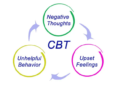
Cognitive behavioral therapy helps with trauma to adjust non-constructive thinking. Trauma-focused treatment is implemented at the core of the trauma, allowing people to reprocess and control distressing memories in a therapeutic and safe environment. Within PTSD Treatment for First Responders in California, these models are adjusted towards the emergency milieu.
The Importance of Trauma-Informed Care
Trauma-informed care understands that symptoms are not indicative of a person’s failure, but rather a result of overwhelming and difficult circumstances. This viewpoint is important for first responders who are trained to endure and power through uncomfortable situations.
By focusing on safety, trust, and partnership, trauma-informed care programs offer an environment in which healing becomes a viable option. California First Responders PTSD Treatment uses trauma-informed care to minimize the risk of clients experiencing re-traumatization and to facilitate the possibility of long-term healing. When clients receive care and understanding rather than judgment, the likelihood of their active participation in their own healing journey increases.
The Co-Occurrence of Other Mental Health Issues
Post traumatic stress is not singular in nature. Other mental disorders like depression, anxiety, and substance use disorders often occur in conjunction with PTSD. If left untreated, these comorbid conditions can complicate the healing process and are known to reinforce one another.
In these situations, integrated care models are necessary. California First Responders PTSD Treatment, for example, is focused on the entire individual and not just the symptoms, leading to a more holistic approach. This enables clinicians to address emotional control, coping skills, and behaviors in one process to eliminate the reinforcing of a cycle that is leading to worse mental health.
The Role of Peer Support in Trauma Recovery
Feeling connected to people is important for overcoming traumatic experiences. For first responders, peer support is vital as it lessens feelings of loneliness. Connecting with people who share similar frontline experiences helps to validate feelings, build rapport, and normalize experiences.
Group therapy and peer support are common components of programs like the PTSD Treatment for First Responders in California. These programs provide an opportunity for people to process their trauma by learning from the experiences of others and forming a new community.
Family and Relationships
Trauma affects more people than just the primary victim. It can also result in strained relationships with a spouse, children, and close friends. Emotional withdrawal, irritability, and difficulty communicating may create distance in these relationships over time.
Healing relationships is an essential aspect of effective treatment planning. The PTSD Treatment for First Responders in California, like other similar programs, offers family therapy and education as a way to support the loved ones of first responders, educate them about trauma, and strengthen the primary victim’s support system.
Developing Coping Skills for the Future
Recovery doesn’t mean forgetting. Learning how to respond to triggers and stress when they arise is part of the process. Grounding, emotional regulation, and mindfulness coping skills are examples of this.
In therapy, people learn the best practices to help them manage symptoms at work and outside of work. PTSD Treatment for First Responders in California emphasizes building these skills so that progress continues after therapy. This helps them feel in command of their lives and is a boost to their confidence.
The Challenges of Getting Help
Even with a better understanding of mental health, many first responders are still reluctant to engage in treatment. Worries about breaching confidentiality, the impact on their job, or being seen as a poor performer are all valid reasons for not reaching out. Fears of these issues should be discussed.
PTSD Treatment for First Responders in California often focuses on confidentiality and flexibility to help with these issues. When the barriers to using these services are low, they are more likely to use them, especially for needed early interventions. Early intervention when people are dealing with trauma is correlated with better long-term outcomes.
Reclaiming Identity
The trauma caused by an incident can make first responders question their identity and purpose outside their professional roles. For many first responders, their job is their identity and self-worth.
Therapeutic work focuses on an individual’s values, interests, and goals outside their profession. PTSD Treatment for First Responders in California advocates for personal growth in addition to symptom management and is building a holistic approach to help professionals attain and sustain a balanced and fulfilling life.
The Value of Specialized Care
The unique challenges first responders deal with may not be completely addressed with general mental health treatment. More focus on a specific area is needed. The unique mental health challenges and overwhelming emotional and psychological burdens as a result of frontline work are a few of the reasons why first responders need Specialized Programs.
In building specialized frameworks, PTSD Treatment for First Responders in California respects the unique challenges faced by first responders and streamlines the path to healing. The result is improving the most fundamental factors for healing, which are trust and engagement.
Moving Forward with Strength and Support
The trauma is not in the past, and the first responders don’t just forget. It’s about learning to live with the trauma and not be dominated by it. The right support enables first responders to the trauma to gain emotional stability and remain in their critical roles or move to new roles.
In the last phases of recovery, it is important to have continued support. Therapy, peer support, and self-care allow for continued progress and support the ongoing effort to mitigate possible setbacks. First Responders of California is an example of an organization that facilitates access to kind, specialized care that appreciates the commitments made on the front lines.