The last few years have seen significant changes in the field of mental health. In the early stage of the pandemic, mental health care faces an unprecedented set of challenges, but also resulted in a range of new innovations throughout the health care system. The most notable change has been the explosive development of virtual mental health treatment, changing how people access therapy, psychiatric services, and emotional support.
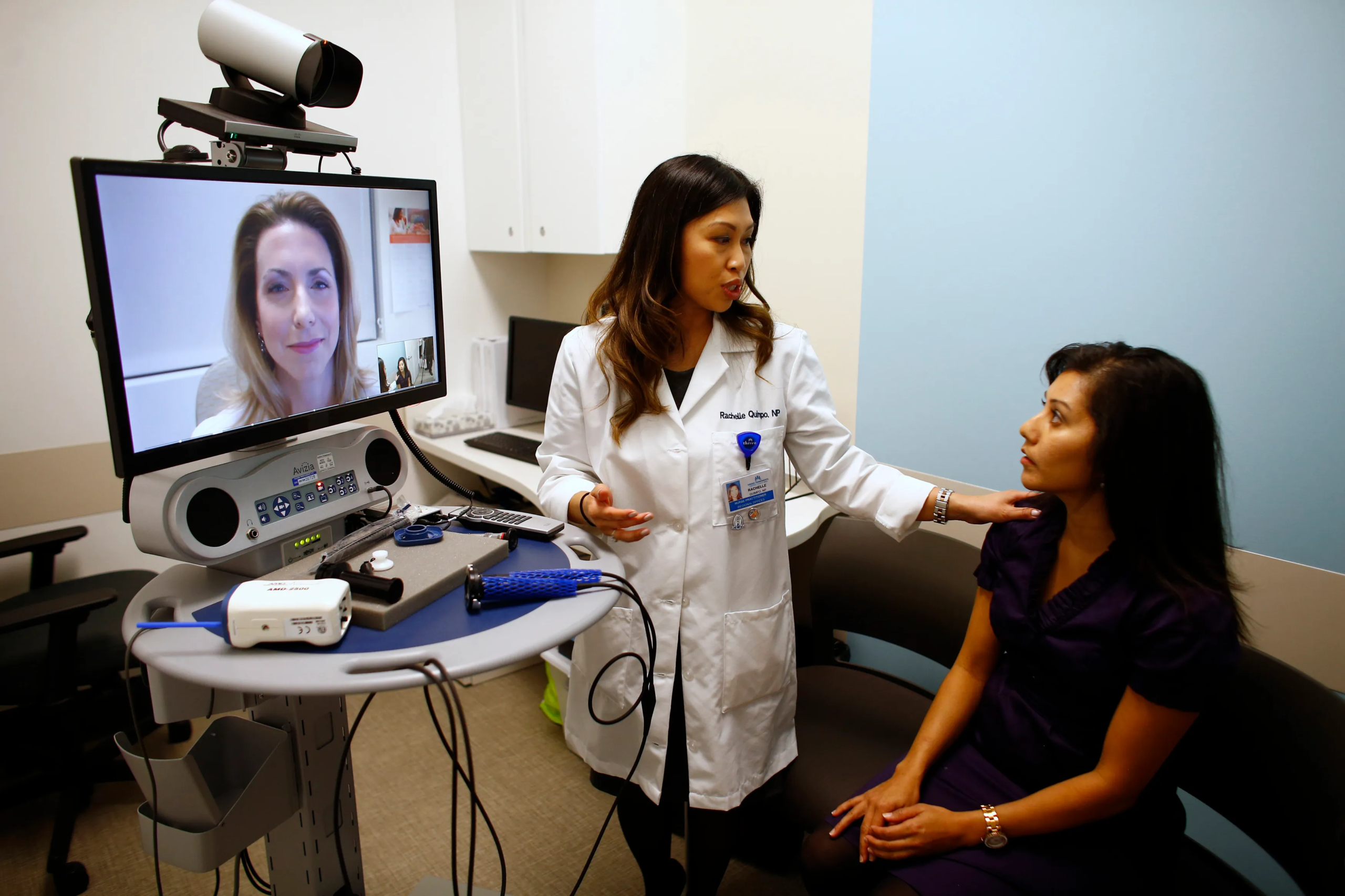
With limited access to in-person services, both providers and patients had to adapt to the changing scenario. What began as a temporary fix has been solidified as a long-term solution. Today, digital mental health services have evolved from a temporary solution to a key component of contemporary healthcare delivery models.
How the Pandemic Changed Mental Health Care Delivery
Before the COVID lockdowns, many people had access to mental health support through face-to-face therapy. With shelters in place, and social distancing measures, these normal care systems were disrupted. Suddenly, health care providers had to pivot to virtual services in order to continue providing care to their patients.
As many patients began using online therapy, they discovered that virtual therapy was actually a more comfortable and convenient option than the traditional face-to-face sessions. Patients no longer had to worry about traveling to the appointment, which increased attendance and decreased appointment no shows. These changes added to the benefits of virtual therapy that were easily accessible, which resulted in the increased popularity of mental health services.
Ensuring a high level of engagement through digital tools is something that providers have tapped into. Video calls, secure messaging, and virtual check-ins introduced new ways of keeping therapeutic relationships, even though isolating times.
The Continued Expansion of Virtual Mental Health Treatments
The flexible care options that emerged from the pandemic have continued to attract interest. The end of the pandemic has not slowed down the need for mental health services, and more people are now looking for mental health solutions that are embedded into their day-to-day activities. Remote care fills that need.
Remote care also contributes to the growing prevalence of mental health services. People in rural areas and service deserts can now access mental health services. People with disabilities that affect their movement also tend to find it easier to get and keep regular treatment appointments when the services provided are digital.
The growing acceptance of mental health services has also seen more people access the services since some people find it easier to talk to a mental health professional when they are at home.
The Role of Digital Care Services in Reducing Gaps in Treatment
The potential for gaps in care is something that needs to be managed when designing a mental health care plan. Treatment is most effective when it is delivered in a consistent manner. People face challenges to getting in-person services due to moving, getting sick, or not having a way to get to the services offered. Care service gaps are easier to tackle with virtual services.
Remote delivery of care enables patients to receive therapy even during significant life changes. For example, moving to a new city doesn’t disrupt therapy, because patients can continue to see the same provider while establishing local support. This continuity strengthens the therapeutic alliance and mitigates regression in progress.
In addition, the use of digital tools enables providers to analyze and respond in a timely manner to changes in symptoms. Secure messaging and virtual follow-ups facilitate treatment plan updates. Patients frequently feel more supported in between therapy.
Additional Treatment Options Beyond Traditional Therapy
Although talking therapies are integral to mental health treatment, the use of digital platforms in mental health care has provided additional treatment options. The use of cognitive behavioral therapy, mindfulness, mood-tracking applications, and other digital resources have also been incorporated by many providers into their virtual care strategies.
These resources foster engagement between therapeutic sessions. For instance, guided exercises can help individuals manage anxiety in real time, and digital journals can allow patients to become more reflective of their emotions and triggers throughout the week.
The sheer availability of these tools provides more opportunities for engagement and therapeutic work to happen outside of session time, resulting in improved therapeutic progress and increased mastery of coping skills.
Consideration of Remote Treatment Effectiveness and Quality
Remote care is the same as in person care is as effective as person. The short- and long-term effects of this new service will help alleviate the concern some people have with remote care.
Remote care’s impacts and effects of the service have been studied and remote care has proven to be just as effective for the treatment of anxiety, depression, and trauma as traditional in person. Increased satisfaction via remote care has been reported due to the fact that remote care is more comfortable and convenient.
Remote care is able to maintain the same level of service due to the licensure of the professionals and the level of service being the same as in person. Remote care will always maintain the required confidentiality. The quality of remote care services is just as effective and the same as traditional services.
Post-Pandemic World Remote Services and Supporting Long Term Recovery
Remote services support the long-term effects of anxiety, grief, burnout, and lingering impact of the mental health of the pandemic. The remote services for the mental health of the pandemic have lasting effects during the mental health pandemic of the world.
The services of remote care are designed to focus on symptom prevention, professional check-ins, and the patient’s freedom to schedule sessions at their convenience. Through virtual mental health treatment, individuals receive consistent support without unnecessary delays, which allows care to begin before symptoms become overwhelming or critical.
Moreover, digital care models facilitate the intertwined treatment process. Therapy, medication management, and wellness coaching can all be done virtually. This approach, collaborative in nature, emphasizes not only the immediate symptoms but the factors impacting mental wellness.
The Contribution of Technology in Bridging Treatment Shortages
The deficit in mental health care has witnessed the integration of tech-driven solutions. Automated reminders, virtual evaluations, and online intake forms have simplified the care journey.
These improvements empower mental health practitioners to concentrate on the therapy and leave the admin to the tech. On the other hand, patients acquire services faster and experience better inter-provider communication.
Most importantly, technology also champions culturally and individually responsive care. People can search for mental health practitioners who are sensitive to their culture, language, and lived experience, even if those practitioners are not in their immediate environment.
Persistent and Emerging Challenges
Regardless of the positive development, the problems of the digital divide still exist. Some people still have no access to the internet or even the physical space for private sessions. The elimination of these barriers will require new ideas and ongoing initiatives.
Another challenge mental health providers are facing is to ensure digital literacy is not a barrier. The development of patient-centered onboarding, and straightforward tools helps patients easily adopt the technology.
As the field progresses, more research and supportive policy will be critical. If the mental health field overcomes these challenges, the community will be able to keep remote care accessible and effective.
The Future of Virtual Mental Health Care
There will continue to be positive changes in virtual care. The delivery of services will change due to the incorporation of artificial intelligence, data analytics, and personalized care models.
The core of mental health care is human connection, and technology should only be used to enhance supportive relationships, not replace them. Mental health providers can change and improve care through the combination of technology and compassion.
As more people choose remote care, virtual services will become integrated into the regular flow of care. This shows a commitment to mental health care that is accessible, responsive, and sustainable.
Final Thoughts on the Shift Toward Digital Care
The changes in mental health care and the integration of remote services into everyday care processes represents a radical shift in providing healthcare and a welcoming and supportive service. What started as a requirement has become a favored method of service.
Digital care models are removing stigma, improving continuity, and broadening access are helping to reshape recovery journeys nationwide. Providers who utilize these tools better meet people where they are in their recovery journey.
Leading the way in this changing landscape, California Mental Health, continues to prioritize high-touch, personalized care. This underscores their ability to value innovation and integrate quality care for individuals along their mental health recovery journeys.