Minor cosmetic and medical procedures often bring anxiety about causing discomfort. Whether you’re preparing for laser treatment, waxing, or dermatological work, pain concerns can make the experience stressful. Understanding how topical pain relief works helps you approach these appointments with greater confidence and comfort.
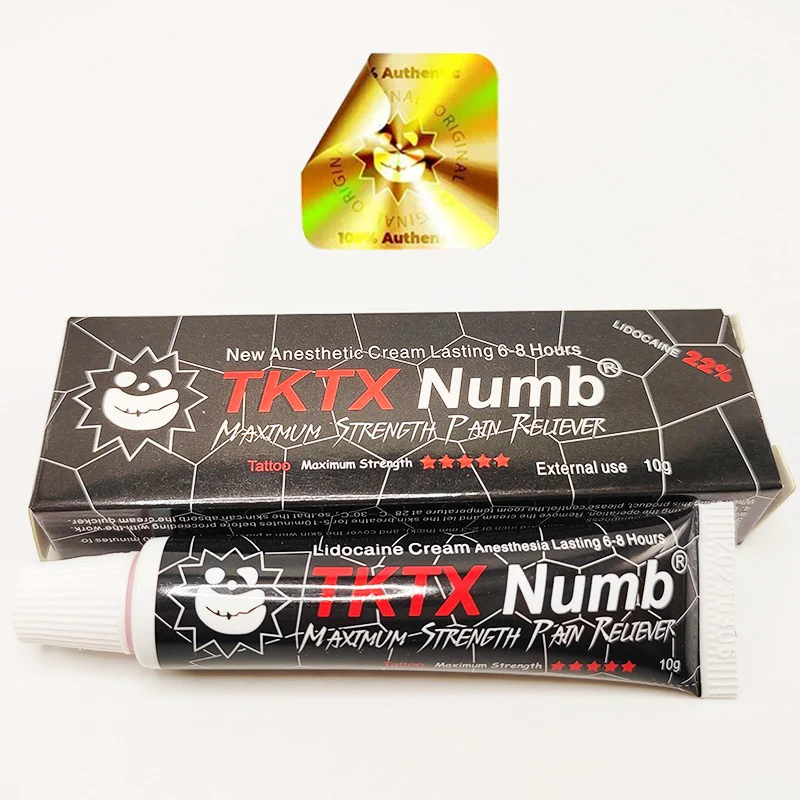
A Numbing cream offers a practical solution for managing procedural discomfort before it begins. These topical anaesthetics temporarily block nerve signals in the skin, reducing sensation during treatments like piercings, injections, and hair removal. When combined with proper aftercare techniques, they support your overall comfort and help create a more positive treatment experience.
Understanding How Topical Anaesthetics Function
Blocking Pain Signals at the Source: Topical anaesthetics work by preventing sodium channels in nerve fibres from transmitting pain signals to your brain. When applied correctly, the active ingredients penetrate the skin’s outer layers and create a numbing effect that lasts through your procedure. This mechanism provides temporary relief without affecting deeper tissue structures.
Active Ingredients and Their Effects: Most topical pain relief products contain lidocaine, prilocaine, or benzocaine as primary ingredients. Each compound has different penetration rates and duration of effect. The concentration and formulation determine how quickly you’ll feel relief and how long it lasts during your treatment.
Procedures That Benefit from Topical Pain Relief
Cosmetic Laser Treatments: Treatments involving photorejuvenation or hair removal often cause stinging sensations as the laser targets pigmented cells. Pre-treatment numbing reduces this discomfort significantly. The skin’s sensitivity varies across body areas, with facial treatments typically requiring more careful pain management than limb procedures.
Waxing and Hair Removal Sessions: Hair removal procedures cause sharp, brief pain as follicles are extracted. Topical anaesthetics dull this sensation, making sessions more tolerable. Areas with thinner skin or higher nerve density benefit most from pre-treatment numbing applications.
Injections and Dermal Fillers: Cosmetic injections involve multiple needle punctures in sensitive facial areas. Numbing the treatment zone beforehand minimises discomfort and helps you remain still during precise injections. This improves both your experience and the practitioner’s ability to work accurately.
Preparing Your Skin for Optimal Results
Patch Testing for Safety: Test the product on a small skin area 24 hours before your procedure. This reveals potential allergic reactions or sensitivities. Apply a small amount to your inner forearm and watch for redness, itching, or swelling before using it more broadly.
Cleansing and Exfoliation: Clean skin absorbs topical products more effectively than skin with oils, lotions, or debris. Gently cleanse the treatment area and perhaps lightly exfoliate dead skin cells. Avoid harsh scrubbing that might irritate the skin before your procedure.
Application Techniques That Work: Spread a thick, even layer across the entire treatment zone. Don’t rub it in vigorously; instead, let it sit on the skin’s surface. Covering the area with plastic wrap creates an occlusive barrier that enhances penetration and effectiveness.
Combining Numbing with Post-Procedure Care
Immediate Aftercare Steps: Remove any remaining product after your procedure and cleanse the area gently. Your skin may feel sensitive even after the numbing wears off. Apply any prescribed ointments or treatments according to your practitioner’s instructions for best results.
Supporting Natural Healing Processes: Keep the treated area clean and moisturised as it recovers. Avoid picking at scabs or disturbing healing tissue. The combination of reduced procedural trauma from numbing and careful aftercare often leads to smoother recovery with less inflammation.
Safety Considerations and Best Practices
Respecting Dosage Limits: Using excessive amounts or leaving products on too long increases absorption and potential side effects. Follow product guidelines carefully. Children, pregnant women, and people with certain medical conditions need extra caution or professional guidance before use.
Understanding Contraindications: Some health conditions or medications interact poorly with topical anaesthetics. People with cardiac arrhythmias or liver problems should consult healthcare providers before using these products. Open wounds or damaged skin also require careful assessment before application.
Common Procedures and Their Pain Management Needs
- Laser hair removal: Requires moderate numbing for 20 to 45 minutes, especially on sensitive areas like the bikini line or underarms where nerve density is higher.
- Facial waxing: Needs targeted application to upper lip, eyebrow, or chin areas where skin is thinner and more reactive to hair removal trauma.
- Dermal filler injections: Demands precise numbing around mouth, cheeks, or under-eye zones where multiple injections occur in close proximity during single appointments.
- Medical biopsies: Small skin samples cause brief but sharp discomfort that topical anaesthetics effectively minimise for outpatient procedures.
When Professional Guidance Becomes Necessary
Complex Medical History: If you take multiple medications or have chronic health conditions, discuss topical anaesthetic use with your doctor. Drug interactions or underlying conditions may affect how your body processes these products. Professional advice prevents complications.
Unexpected Reactions During Use: Severe stinging, spreading redness, or breathing difficulties require immediate medical attention. Stop using the product if you experience anything beyond mild tingling. These symptoms might indicate allergic reactions needing prompt treatment.
Conclusion
Topical pain relief transforms uncomfortable procedures into manageable experiences when used correctly. Understanding application timing, proper dosage, and aftercare integration helps you achieve optimal comfort and healing. Start by researching quality products, testing for sensitivity, and discussing any health concerns with professionals. Take control of your procedural comfort today by learning proper numbing techniques and pairing them with careful post-treatment care for the best outcomes.