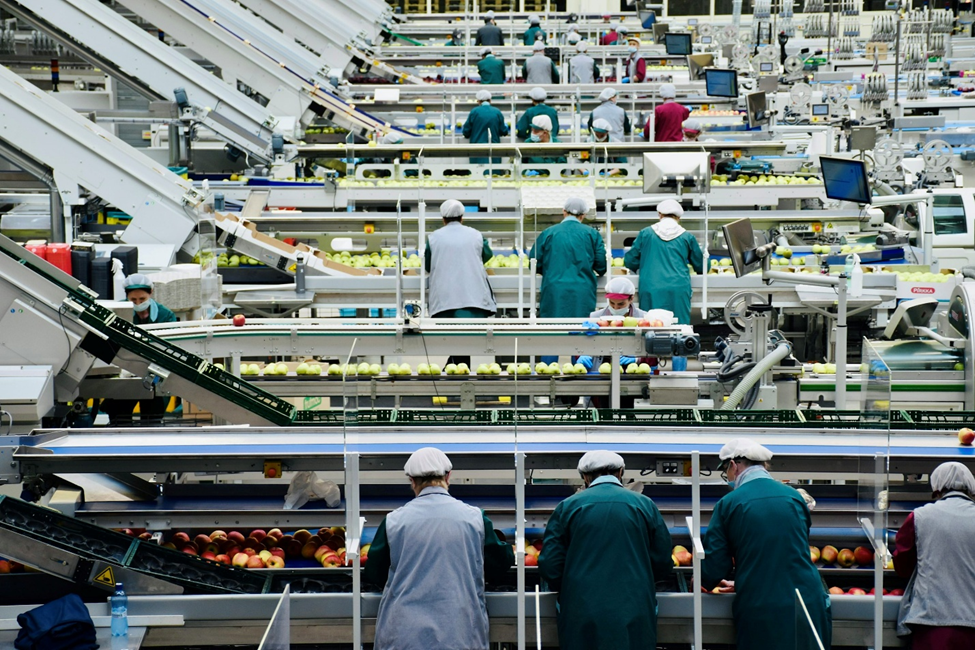
Top food facilities operate with a clear understanding that performance and quality rise together when processes stay sharp and purposeful. Leaders study every stage of production to understand what slows work down and what strengthens consistency. Teams refine daily routines, reinforce safety habits, and rely on systems that guide operators with clarity.
Technology plays a supportive role that helps uncover inefficiencies, steady the pace of production, and improve visibility. Strong coordination across departments elevates output without weakening product standards. These facilities focus on practices that create dependable results, and their approach reveals how operational excellence can grow without disrupting the integrity customers expect. Let us elaborate on how top facilities apply these practices in real production environments, and what that looks like on the floor, day to day.
Strong Operational Frameworks That Guide Every Process
A reliable operation begins with a framework that sets direction for everyone involved. Clear procedures help teams understand expectations and reduce unnecessary guesswork during active production. Facilities that reach top performance levels treat their workflows like living systems that evolve as the business grows.
Leadership studies patterns, monitors production rhythms, and adjusts guidance where clarity fades. This creates a steady foundation that supports confident decision-making on the floor. Teams communicate more effectively when processes are shaped around structure rather than improvisation, and this steadiness improves both speed and accuracy.
Advanced Technology That Strengthens Production Capabilities
Top facilities use technology to tighten execution and give operators a clearer view of performance. Automation handles repetitive work, monitoring tools flag irregularities early, and precision equipment helps keep output steady. Many teams rely on food processing equipment that is automated and sensor-enabled to control handling and preparation across each stage, reducing manual strain and improving repeatability.
When used well, technology supports the team, boosting accuracy and consistency while still relying on the judgment of skilled operators. This balance helps facilities scale output without losing control of quality at any point in the process.
Quality Assurance Programs That Reinforce Every Batch
Quality remains at the center of every decision, so assurance programs carry significant weight in high-performing facilities. Routine checks confirm that products match expectations before they move forward. Teams study samples, measure critical attributes, and document outcomes to create a consistent feedback loop. This structure allows facilities to detect deviations early and correct them quickly.
A layered approach supports reliability. Each checkpoint provides another opportunity to verify that standards remain intact. This level of discipline protects the final product and builds customer trust.
Skilled Workforce That Upholds High Standards
People remain the core of every food operation. Skilled workers understand the pace, precision, and attention required to maintain high performance. Training programs help teams strengthen technical knowledge and stay updated on safety practices. Operators who feel confident in their training deliver steady results, even when production demands increase.
Coaching plays a key role in shaping workplace culture. Leaders who invest in their teams create an environment where accountability feels natural. Skilled workers respond to challenges with problem-solving rather than hesitation. This mindset supports consistency, safety, and quality on a daily basis.
Production Layouts That Support Smooth Throughput
A well-organized production floor reduces friction and creates a natural path for materials and operators. Facilities design layouts that support a logical sequence of steps, allowing teams to move efficiently without unnecessary detours. Thoughtful placement of stations ensures that work flows forward without interruption.
Clear spacing also plays a role in safety and output. Operators perform better when movement feels comfortable, and equipment placement supports easy access. Layout adjustments often produce immediate improvements because they remove obstacles that slow production quietly over time. This attention to physical space shapes a smoother, more predictable operation.
Data-Driven Adjustments That Improve Decision-Making
Top food facilities treat data as a practical guide that clarifies what needs attention and what deserves reinforcement. Real-time dashboards, production logs, and performance indicators help teams understand how each stage behaves under different conditions. Supervisors study patterns to recognize where output slows or where resources fall short. These insights support timely adjustments that strengthen the overall rhythm of production.
Teams also benefit from historical data that highlights long-term trends. Detailed records reveal patterns that might go unnoticed during fast-paced workdays. Leaders use this information to refine planning, schedule labor more effectively, and adjust production goals with greater confidence.
Supplier Partnerships That Protect Ingredient Integrity
Strong supplier relationships support consistent product quality. Facilities depend on reliable partners who provide ingredients that meet the same standards upheld inside the production environment. Open communication and transparent expectations help suppliers understand what matters most to the facility, and both sides benefit from a shared commitment to performance.
Facilities also monitor incoming materials with the same level of discipline applied to internal processes. Checks at the receiving stage confirm that ingredients arrive in proper condition, match required specifications, and support the intended flavor and texture of the final product.
Maintenance Programs That Protect Operational Stability
Equipment reliability shapes a large part of any facility’s ability to hit production targets and maintain consistent quality. Preventive maintenance routines help teams address wear, minor adjustments, and calibration needs before they disrupt daily operations. These programs create discipline around inspection schedules, cleaning requirements, and performance checks that safeguard both safety and efficiency.
Operators often play a key role in identifying early signs of equipment fatigue because they interact with the machinery every day. Their observations feed into the maintenance team’s work, allowing small issues to be managed before they grow into costly downtime.
Top food facilities achieve strong performance by treating operations as a system where every part influences the rest. Their commitment to structure, clarity, and continuous improvement supports a reliable flow from one stage to the next. Teams rely on technology, strong training programs, disciplined quality controls, and thoughtful workspace design to maintain speed without weakening standards.
These facilities show that efficiency and quality can grow together when decisions stay intentional and grounded in real insight. Their success comes from practical habits, careful monitoring, and a culture that values consistency. When each choice aligns with long-term reliability, performance rises naturally while product integrity stays firmly protected.