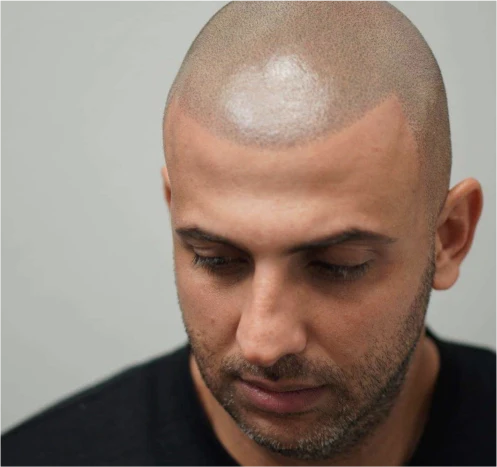
Hair loss is often discussed as a cosmetic concern, yet in clinical settings it is understood as a condition that can affect emotional wellbeing, self perception, and daily confidence. Advances in medical aesthetics have steadily moved toward solutions that are low risk, non surgical, and visually natural. Among these developments, scalp micropigmentation has become a respected option within cosmetic treatment environments focused on subtle, medical grade results.
Scalp micropigmentation is a technique that uses specialized pigments and micro needles to replicate the appearance of natural hair follicles on the scalp. Unlike traditional tattooing, the pigments are formulated for the scalp and deposited at a precise depth, creating the illusion of density rather than inked designs. Clinics specializing in this treatment often combine aesthetic training with an understanding of skin biology, healing patterns, and hair loss progression.
One of the most requested applications of this procedure is the Hairline Tattoo, a method designed to restore or redefine a frontal hairline with careful symmetry and pigment blending. This approach is commonly sought by individuals experiencing receding hairlines, thinning edges, or post transplant scarring. When performed correctly, the result supports facial structure without drawing attention to the treatment itself.
From a medical cosmetic perspective, scalp micropigmentation aligns with modern patient preferences. Many people now prioritize treatments that avoid surgery, lengthy recovery, or systemic side effects. Because the procedure is minimally invasive, it typically involves limited downtime and predictable healing when performed in a controlled clinical setting.
Key characteristics that make scalp micropigmentation a medically aligned cosmetic option include:
• No surgical incisions or anesthesia
• Custom pigment selection based on skin tone and hair shade
• Scalp specific protocols that respect skin sensitivity
• Gradual sessions that allow precise visual control
Clinics operating in this space often emphasize consultation and assessment. Factors such as scalp condition, existing hair pattern, and long term hair loss expectations are evaluated before treatment begins. This planning phase supports results that remain natural even as hair loss progresses over time.
Another important aspect is scar camouflage. Individuals with surgical scars or injury related marks on the scalp may find that micropigmentation softens contrast between scar tissue and surrounding skin. This application is particularly relevant in cosmetic medical practices where restorative aesthetics intersect with patient confidence.
Scalp Evolution represents the type of clinic shaping this field through a focus on medical grade cosmetic standards rather than cosmetic trends alone. By approaching scalp micropigmentation as a structured treatment rather than a surface level aesthetic service, such clinics contribute to broader acceptance of pigment based hair restoration within modern cosmetic care.
As medical aesthetics continue to refine patient centered solutions, scalp micropigmentation stands as a practical example of precision, restraint, and clinical artistry working together to address hair loss in a realistic and supportive way.