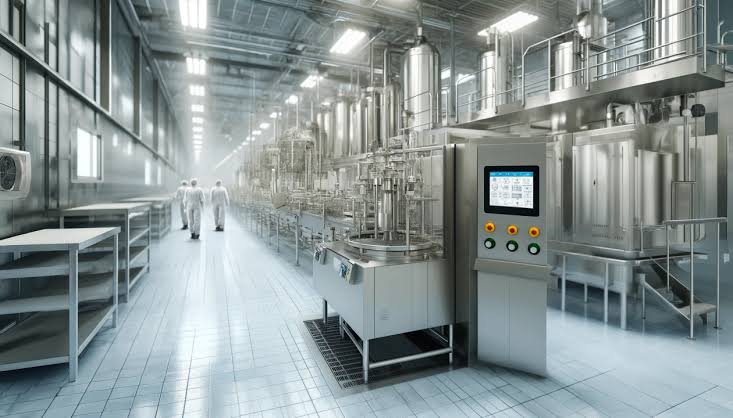
In today’s fast-paced industrial world, the productivity of manufacturing plants is often linked directly to the efficiency of their operations, the quality of their output, and the overall health of their workforce. One of the most overlooked aspects of optimizing plant productivity, however, is maintaining a clean and sanitized facility. Advanced facility sanitization plays a crucial role in creating an environment conducive to high performance and minimal disruption.
The Role of Facility Sanitization in Maximizing Productivity
Facility sanitization, once seen as a routine maintenance task, has evolved into a strategic component for boosting productivity. Modern facilities, particularly in industries such as food manufacturing, pharmaceuticals, and biotechnology, require stringent cleanliness protocols to ensure both product integrity and worker safety. Unsanitary conditions can lead to machinery malfunctions, contamination risks, regulatory non-compliance, and even unplanned downtime—all of which contribute to inefficiency.
Advanced facility sanitization goes beyond traditional cleaning procedures by employing state-of-the-art technologies, tools, and processes to ensure every inch of the plant is thoroughly sanitized and operational. Here’s how these practices directly influence productivity:
1. Preventing Contamination and Improving Product Quality
Contamination can have serious consequences in industries such as food production, pharmaceuticals, and healthcare. Even the smallest trace of bacteria, dust, or chemical residues can compromise product quality, leading to recalls, safety concerns, or regulatory penalties. Through advanced sanitization techniques, including the use of ultraviolet (UV) light, automated cleaning systems, and environmentally friendly disinfectants, plants can maintain the highest standards of cleanliness.
By integrating advanced sanitization processes into daily operations, manufacturers reduce the risk of contamination and ensure that products meet stringent quality standards. This reduction in contamination not only safeguards the product but also strengthens the brand’s reputation and customer trust, ultimately supporting higher sales and profitability.
2. Reducing Equipment Downtime
Regular, thorough sanitization of plant equipment ensures that machines operate at optimal levels. Dust, dirt, and microbial build-ups can clog machinery, resulting in overheating, malfunction, and costly repairs. When machines break down, production halts, which leads to significant loss in output and revenue. Advanced sanitization methods such as robotic cleaning systems, air filtration systems, and vaporized hydrogen peroxide (VHP) ensure that equipment remains free from contaminants that could cause wear and tear.
By maintaining a consistently clean environment, plants can extend the lifespan of their equipment, reduce the frequency of repairs, and minimize unscheduled downtime. This, in turn, increases operational efficiency and boosts overall productivity.
3. Enhancing Worker Safety and Efficiency
A clean environment is also crucial for ensuring the safety and well-being of plant workers. Bacteria and germs in high-touch areas, such as handles, buttons, and switches, can lead to illnesses that result in absenteeism, lower morale, and reduced productivity. Regular sanitization of these high-risk zones with advanced cleaning technologies such as electrostatic sprayers, disinfectant foggers, or touchless systems can dramatically reduce the spread of harmful pathogens.
Additionally, workers tend to be more focused and efficient in environments that are clean, organized, and free from hazards. Workers are less likely to suffer from respiratory issues, skin problems, or slips and falls when a facility is maintained to the highest hygiene standards. This fosters a safer, more productive workforce.
4. Meeting Regulatory Compliance and Reducing Risks
In many industries, compliance with local and international hygiene standards is not just a recommendation—it’s a legal requirement. Failing to adhere to these standards can result in significant fines, product recalls, or even the shutdown of operations. Advanced sanitization systems ensure that plants stay compliant with regulations from agencies such as the U.S. Food and Drug Administration (FDA), the European Medicines Agency (EMA), or the Occupational Safety and Health Administration (OSHA).
Moreover, these systems allow plants to document and verify the sanitization process, providing traceability in case of an audit. With these technologies in place, plants not only reduce the risk of regulatory penalties but also demonstrate their commitment to quality and safety.
5. Optimizing Resource Utilization
Traditionally, sanitization procedures involved significant manual labor, which could be inefficient and time-consuming. Modern sanitization methods, such as automated cleaning systems and sensor-driven air purifiers, optimize resource use by reducing labor costs and cleaning time. These technologies ensure that cleaning is consistent, effective, and precise.
By streamlining sanitization, plants can reduce the use of cleaning chemicals, water, and energy, leading to both cost savings and a more sustainable operation. Efficiency in the cleaning process also means that time previously spent on labor-intensive tasks can be reallocated to more value-added activities, such as quality control, maintenance, and innovation.
Best Practices for Implementing Advanced Facility Sanitization
To truly harness the benefits of advanced facility sanitization, it’s essential to adopt best practices that align with the needs of the specific plant. Here are a few key strategies:
- Develop a Cleaning Schedule: Regular and predictable cleaning schedules are essential. Depending on the nature of the operations, cleaning may need to be done after each production cycle or on a daily or weekly basis.
- Leverage Automation: Implement automated cleaning systems such as robotic cleaners and UV sterilization to reduce human error and increase cleaning efficiency.
- Use Environmentally Friendly Products: Opt for eco-friendly and non-toxic cleaning agents to minimize environmental impact while maintaining hygiene standards.
- Train Workers: Educate staff on proper hygiene protocols and the significance of facility sanitization in maintaining high productivity.
- Monitor and Document: Use digital tools to monitor sanitization processes and document compliance. This ensures traceability and helps in audits and reporting.
Conclusion
Advanced facility sanitization is a critical element in maximizing productivity within manufacturing plants. For businesses looking to maintain these high standards, partnering with professional industrial cleaning services Michigan providers ensures that your facility remains compliant and efficient. By integrating cutting-edge technologies into the cleaning process, plants can prevent contamination, reduce equipment downtime, enhance worker safety, meet regulatory standards and optimize resource usage. The benefits of maintaining a sanitized environment go beyond hygiene—they directly contribute to operational efficiency, product quality, and profitability.
As industries continue to evolve and grow, investing in advanced sanitization systems will prove to be a strategic decision that not only protects workers and products but also drives long-term success and competitive advantage.