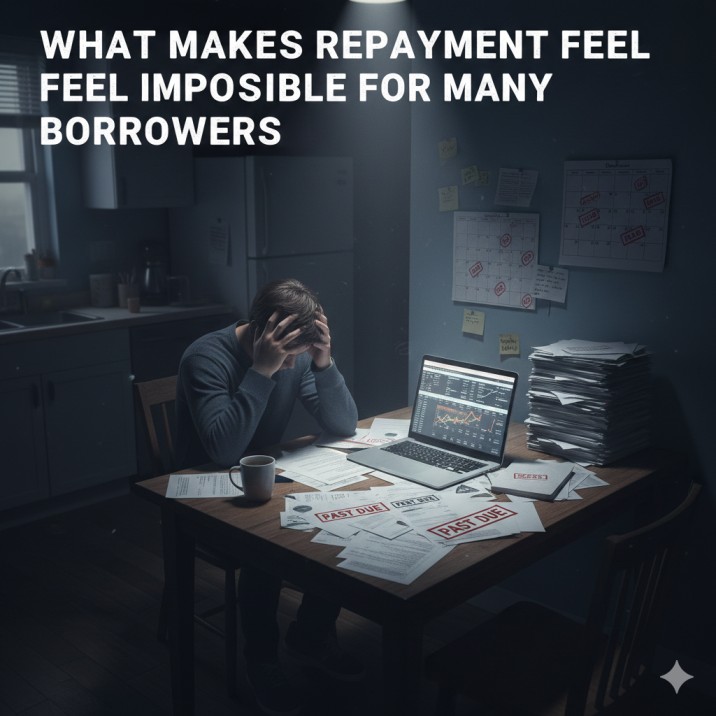
For many people, debt repayment doesn’t fail because of a lack of effort. It fails because the process itself feels endless. Payments go out every month, balances barely seem to move, and motivation slowly erodes. Over time, what once felt manageable starts to feel impossible.
This feeling often has less to do with the amount owed and more to do with how repayment is structured. When debts are scattered and progress is unclear, borrowers can end up overwhelmed even when they’re doing everything “right”. That’s why some people eventually look into clearer options like payment plans for debt consolidation — not as a shortcut, but as a way to regain a sense of direction.
When Effort Doesn’t Match Results
One of the most discouraging aspects of debt repayment is putting in consistent effort without seeing meaningful results.
Borrowers often:
- Make every required payment on time
- Occasionally add extra money where possible
- Avoid new debt
Yet months later, the total balance hasn’t dropped in a way that feels noticeable. Interest absorbs progress. Fees quietly offset extra payments. The gap between effort and reward creates frustration.
When progress isn’t visible, motivation suffers.
Why Multiple Debts Complicate Everything
Repayment becomes harder when debt is spread across multiple accounts. Each balance may be small on its own, but together they create a system that’s difficult to manage.
Common issues include:
- Different interest rates competing for attention
- Multiple due dates to track
- Minimum repayments that stretch timelines
- No single point of completion
Instead of working towards one clear goal, borrowers are juggling several at once. That mental load alone can make repayment feel heavier than it needs to be.
The Psychological Weight of an Undefined End Date
People cope better with challenges when there’s a clear finish line. Debt often lacks one.
When repayments are structured around minimums, the end date becomes vague or constantly shifting. Borrowers may know they’re “on track”, but they can’t answer simple questions like:
- When will this be over?
- How much longer will this take?
Without a defined end point, the brain interprets the situation as ongoing stress. Even manageable repayments start to feel permanent.
How Interest Undermines Motivation
Interest doesn’t just cost money — it costs morale.
Seeing interest charges appear month after month can make borrowers feel like they’re running in place. Even when balances slowly decline, the presence of interest creates the impression that the debt is fighting back.
Over time, this leads to:
- Reduced confidence
- Increased avoidance
- A sense that repayment is pointless
When people stop believing their actions matter, repayment feels impossible.
Why Simplicity Changes Perception
Many borrowers discover that repayment becomes less stressful when the process is simplified — even before the total amount changes.
Simplification helps by:
- Reducing the number of payments to manage
- Creating predictable repayment schedules
- Making progress easier to track
- Removing constant decision-making
When finances are easier to understand, people feel more in control. Control is often the missing ingredient, not money.
Decision Fatigue Makes Consistency Harder
Debt repayment involves repeated decisions:
- Which bill gets paid first
- Whether to add extra money or save it
- How to handle unexpected expenses
Each decision consumes mental energy. Over time, decision fatigue sets in, increasing the likelihood of procrastination or avoidance.
When the system requires constant thought, borrowers are more likely to disengage — not because they don’t care, but because they’re exhausted.
Why Stress Builds Even Without Missed Payments
A common misconception is that stress only appears when payments are missed. In reality, many people feel overwhelmed despite perfect repayment histories.
Stress shows up as:
- Dreading account notifications
- Avoiding checking balances
- Feeling anxious after payments go through
- Worrying about money even when nothing is “wrong”
These are signs that the structure of repayment is creating pressure, not that the borrower is failing.
The Role of Visibility in Progress
Progress needs to be visible to be motivating.
When borrowers can clearly see:
- A decreasing balance
- A fixed repayment timeline
- A defined end date
Their mindset shifts. Repayment becomes a plan rather than a burden. Small wins start to matter again, and confidence slowly returns.
Without visibility, even good progress can feel meaningless.
Why Borrowers Blame Themselves Instead of the System
Many people internalise repayment struggles as personal failure. They assume they’re bad with money or not disciplined enough.
In reality, the issue is often structural. Systems that rely on scattered debts, variable interest, and unclear timelines are hard for anyone to manage long-term.
Once borrowers separate their self-worth from the system they’re using, it becomes easier to seek better solutions.
Regaining Momentum Starts With Structure
Repayment feels impossible when there’s no clear path forward. Structure restores that path.
Clear structure provides:
- Predictability
- Reduced mental load
- Measurable progress
- A sense of control
When borrowers understand where they’re headed and how they’ll get there, repayment stops feeling endless.
Debt isn’t just a financial challenge — it’s a psychological one. When the system works against clarity and motivation, even capable borrowers struggle. Change the structure, and what once felt impossible starts to feel manageable again.