Managing dental care sounds simple until real life kicks in. Kids need cleanings. Adults juggle work schedules. Seniors need extra care and monitoring. When each family member sees a different dentist, things get complicated fast. Appointments overlap. Records scatter. Costs rise. Stress follows.
This is where a family dentist practice often becomes the more practical choice. Instead of using multiple providers for different age groups, one practice handles care for everyone. From young children to older adults, dental care stays connected and consistent.
What a Family Dentist Practice Actually Offers
How Family Dentistry Works Across All Ages
A family dentist provides general dental care for children, teens, adults, and seniors. This includes exams, cleanings, fillings, crowns, and preventive services. The focus is on long-term oral health, not just one age group.
Unlike pediatric-only or adult-only clinics, family dentistry supports patients through every life stage. Care evolves as needs change.
The Difference Between One Provider and Multiple Specialists
Multiple providers mean separate offices, separate records, and separate treatment philosophies. A family dentist practice centralizes care, making it easier to track dental history and plan future treatments.
Specialists still play a role, but the family dentist becomes the main point of coordination.
When Convenience Becomes a Priority
Busy Schedules and Time Constraints
Families are busy. Work, school, and activities leave little room for multiple dental visits at different locations. A family dentist practice simplifies scheduling by offering coordinated appointments.
Parents can book visits for kids and adults on the same day, reducing travel time and missed work or school.
Fewer Locations, Less Stress
Driving to different clinics increases stress and costs. A single location reduces transportation time and mental load.
Convenience alone is often enough reason for families to switch.
Life Events That Make a Family Dentist More Practical
Growing Families With Young Children
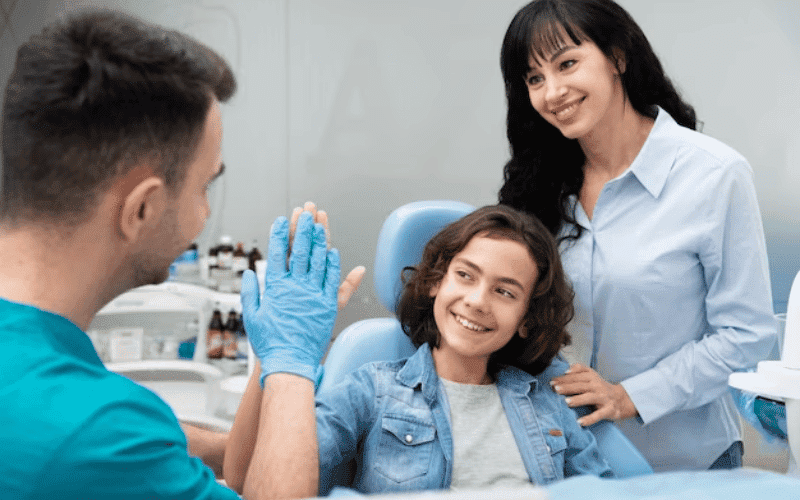
When children arrive, dental needs increase. Early visits help prevent cavities and build comfort. A family dentist allows parents and children to share the same provider.
Kids feel safer when they see familiar faces and routines.
Kids Outgrowing Pediatric Dentistry
As children become teens, their needs change. Some families keep switching dentists as kids age. A family dentist avoids this disruption by continuing care seamlessly.
This continuity builds trust and long-term habits.
Caring for Aging Parents
Multi-generational households are common. Seniors may need help with appointments and transportation. A family dentist practice supports shared scheduling and consistent oversight.
This is especially helpful when adult children manage care for parents.
Preventive Care Is Easier With One Practice
Consistent Monitoring Over Time
Preventive care works best when history is known. A family dentist tracks changes in teeth and gums over years, not just single visits.
This long-term view supports early detection of issues like gum disease or enamel wear.
Aligned With Preventive Guidelines
Organizations like the American Dental Association and the Centers for Disease Control and Prevention emphasize regular checkups. Family dentistry makes consistency easier for all ages.
Preventive visits reduce the need for costly treatments later.
Better Communication and Trust
Familiarity Builds Comfort
Dental anxiety affects both kids and adults. Seeing the same dentist builds trust. Familiar faces reduce fear and resistance.
Children especially benefit when parents use the same provider.
Clear, Age-Appropriate Communication
Family dentists adjust how they explain care. Simple language for kids. Straight talk for adults. Patience for seniors.
This flexibility improves understanding and cooperation.
Financial Simplicity and Cost Control
Streamlined Insurance Use
Managing insurance across multiple providers can be confusing. A family dentist practice simplifies billing and coverage.
Fewer claims. Fewer surprises. Clearer costs.
Preventive Focus Reduces Expenses
Preventive care costs less than emergency treatment. Family dentistry encourages routine visits for everyone, reducing long-term expenses.
According to the American Dental Association, early care lowers overall dental costs.
Centralized Dental Records Improve Care Quality
One History, One Plan
When records are split across offices, important details get missed. A family dentist keeps everything in one system.
This helps with accurate diagnosis and treatment planning.
Digital Records and Imaging
Modern family dentistry uses digital X-rays and electronic records. These tools reduce radiation and improve comparison over time.
Centralized data supports safer, smarter care.
Emergency Situations Are Easier to Manage
Faster Response When Problems Arise
Dental emergencies happen without warning. A family dentist already knows the patient’s history, medications, and sensitivities.
This is especially valuable in situations like emergency denture repair, as it speeds up treatment and restores comfort, function, and confidence without unnecessary delays.
Coordinated Follow-Up Care
After emergency treatment, follow-up is smoother when care stays in one place. No handoffs. No repeated explanations.
Supporting Oral Health Across Life Stages
Teaching Healthy Habits Early
Kids who visit a family dentist regularly learn good habits early. Brushing, flossing, and diet advice stay consistent.
These habits often carry into adulthood.
Adjusting Care as Needs Change
Life events like pregnancy, aging, or medical conditions affect oral health. A family dentist adapts care plans over time.
This flexibility is hard to achieve with multiple providers.
Safety and Compliance Standards
Following Trusted Health Guidelines
Family dentist practices follow standards from OSHA and the Centers for Disease Control and Prevention. These guidelines protect patients of all ages.
Consistent safety protocols build confidence and trust.
Reduced Risk Through Familiarity
Knowing patient history reduces treatment risks. Allergies, sensitivities, and past issues are easier to manage with one provider.
When Multiple Providers Might Still Make Sense
Specialized or Complex Needs
Some treatments require specialists, such as advanced orthodontics or oral surgery. In these cases, referrals are necessary.
A family dentist still coordinates care, even when specialists are involved.
Personal Preference
Some patients prefer different providers for different needs. Comfort and choice matter.
The key is informed decision-making.
Signs It’s Time to Switch to a Family Dentist Practice
Too Many Appointments to Manage
If scheduling feels overwhelming, it may be time to simplify.
Records Are Scattered
Lost records and repeated X-rays signal inefficiency.
Dental Visits Are Being Delayed
Missed or delayed care often means the system isn’t working.
What to Look for in a Trusted Family Dental Practice
Care for Every Stage of Life
Choose a dental practice that understands the needs of growing kids, busy adults, and aging patients. Experience across all life stages ensures consistent and appropriate care for the whole family.
Approachable and Easy to Understand
The right dentist takes time to listen, answers questions clearly, and makes sure patients feel comfortable before moving forward with any treatment.
Strong Emphasis on Long-Term Oral Health
Rather than focusing only on fixing problems, a quality family practice prioritizes routine checkups, early detection, and patient education to help prevent issues before they start.
Conclusion: When One Practice Makes More Sense
A family dentist practice becomes more practical than multiple providers when convenience, consistency, and long-term care matter. For busy households, growing families, and multi-generational homes, one provider simplifies life.
By centralizing records, aligning preventive care, and building trust over time, family dentistry supports better oral health outcomes. While specialists still have a role, a family dentist often serves as the foundation of lifelong dental care.
For families seeking less stress, better coordination, and a more human approach to dentistry, choosing a family dentist practice is often the smarter, more practical path forward.