By the time plans are set, energy is already slipping. A kid is bored, snacks are missing, and adults are quietly calculating time, money, and whether the day will actually be worth it.
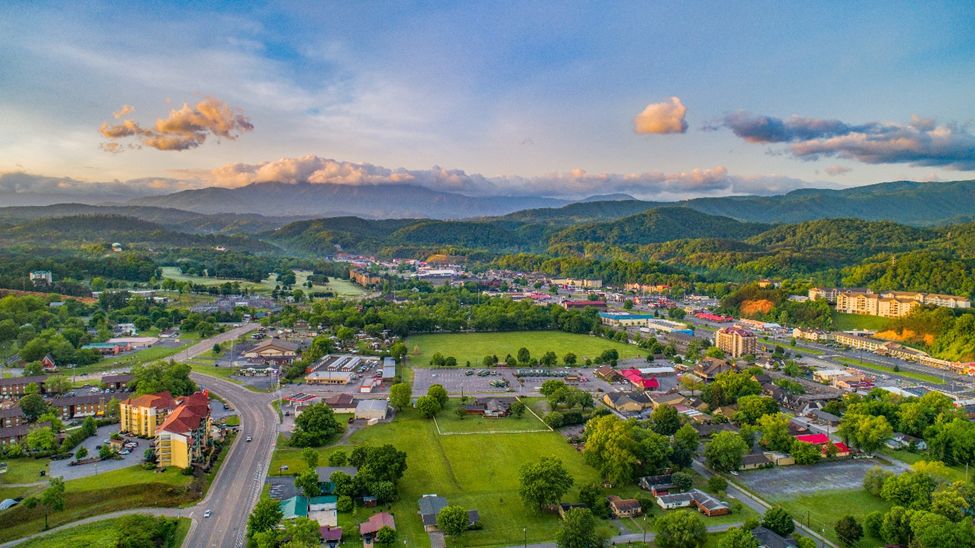
Pigeon Forge is one of those places that families circle back to when they want a full day that doesn’t feel overplanned. There’s a mix of outdoor space, simple attractions, and enough variety that different ages don’t feel dragged along. You can build a day that feels full without feeling rushed, which matters more than people expect until they experience it.
Start With Energy, Not Activities
Most family days fall apart because plans are built around activities instead of energy. Kids crash early. Adults push through longer than they should. Pretending everyone has the same stamina usually ends in short moods or an early drive home. A better day starts by accepting that energy rises and drops at different times.
Spacing things out helps more than packing the schedule. A full morning followed by a slower stretch gives people room to reset. Walking, sitting, eating, then moving again creates a natural rhythm. Leave gaps. Let someone skip one thing. When plans can bend, the day stays calmer, even when it shifts.
Choosing One Anchor Experience That Carries the Day
Every good family day seems to have one central experience that everything else orbits around. Not the biggest thing, just the thing everyone remembers and measures the day by. It gives structure without turning the outing into a checklist.
When families start researching these kinds of experiences, they often land on options that are equally fun for the whole family. If you’re interested in adventurous rides like a mountain coaster Pigeon Forge TN is the perfect destination. It’s a single experience that feels special, sits comfortably within a broader day, and doesn’t require the whole group to move in lockstep for hours. With the Pigeon Forge Racing Coaster, you can race side by side on a dual track, competing with family or friends. You can book your tickets online and get straight to fun when you arrive.
The trick is choosing something that works across ages and comfort levels. People can feel involved without pressure, and step back if needed. That balance keeps resentment low and engagement higher than expected.
Meals Are the Hidden Make-or-Break Moment
Food isn’t just fuel on a family day out. It’s a reset point. Hunger shows up as irritability long before anyone admits they’re hungry, especially with kids. Adults aren’t much better; they’re just quieter about it.
Planning meals loosely but intentionally helps more than squeezing in one more activity. Sit-down meals can slow the day down in a good way, while casual food options keep things moving when energy is still high. The key is timing. Eating too late or too early throws off the rest of the day.
Sharing a meal also creates a pause where people reconnect. Phones come out, stories get told, complaints get aired, and usually fade. It’s not about the food itself. It’s about giving everyone a shared moment to recalibrate.
Let Kids Have Small Wins
Kids don’t need control of the whole day, but they do better when they have ownership of small pieces. Letting them choose the next stop, decide when it’s time to rest, or set the order of activities gives them a sense of agency that cuts down on pushback.
These small wins matter more than elaborate rewards. When kids feel heard, they’re more cooperative without being asked. The day flows more easily. Adults notice the difference even if they don’t label it.
This doesn’t mean negotiating every decision. It means building in moments where kids aren’t just passengers. A family day out works best when everyone feels like a participant.
Expect Imperfection and Plan for It
No family day runs clean from start to finish. Lines take longer than promised, the weather turns halfway through, or someone hits a wall earlier than expected. That’s not the problem. The problem is pretending those things won’t happen. When every hour is locked in, even small changes feel like the day is falling apart.
Looser plans handle stress better. A delay becomes a pause, not a disaster. Skipping one stop doesn’t ruin the whole outing. Families who leave room for adjustment tend to enjoy themselves more, mostly because no one is forcing the day to behave. When expectations stay realistic, a few good moments are enough to make it feel like it worked.
The Role of Memory in Planning
Families tend to plan days around what they imagine they’ll remember later. Big moments, standout photos, the thing that sounds impressive when retold. Those pieces matter, but they rarely carry the weight people expect. In the moment, they pass quickly, and the pressure to make them “count” can flatten everything around them.
What lingers are the spaces between. Waiting in line and talking longer than planned. Laughing at something that wasn’t part of the agenda. Sitting quietly after doing too much and not rushing to fix it. Days built with breathing room make space for those moments. That’s why simpler plans age better. They leave gaps for things you couldn’t have planned even if you tried.
Ending the Day Before Everyone Is Done
One of the hardest parts of a family day out is knowing when to stop. There’s always one more thing you could do. Pushing past the point of comfort usually erases some of the goodwill built earlier.
Ending the day while people still have energy leaves a better impression than squeezing in one last activity. It lets the day close on a high note instead of a tired one. Kids remember how things end. Adults do too, even if they pretend they don’t.
A good family day out doesn’t feel like an achievement. It feels manageable, shared, and just full enough. When that balance is hit, people are more open to doing it again, which might be the real marker of success.