Many people wait until something hurts before they think about their health. A small issue gets ignored, then slowly turns into something harder to manage. This pattern is common in busy communities like Cheshire, CT, where work, family, and daily responsibilities often take priority over routine care. The problem is not a lack of awareness—it’s a lack of time and consistency. Preventive care offers a better way to handle health. Instead of reacting to problems, it helps you stay ahead of them. When you check in on your health regularly, you reduce surprises and make better decisions. Over time, this approach supports a more stable and healthier life.
How Early Detection Changes Outcomes
Finding a problem early often makes a big difference in how it is handled. When doctors catch issues at an early stage, treatment is usually simpler and more manageable. People also have more options and more time to make informed decisions about their care. Early detection reduces the chance of complications and helps avoid long recovery periods. It also allows patients to stay active in their daily lives without major disruptions. Regular screenings and checkups play a key role in this process. They give healthcare providers a chance to notice small changes that might otherwise go unnoticed until they become serious.
Why Oral Health Is Part of Total Health
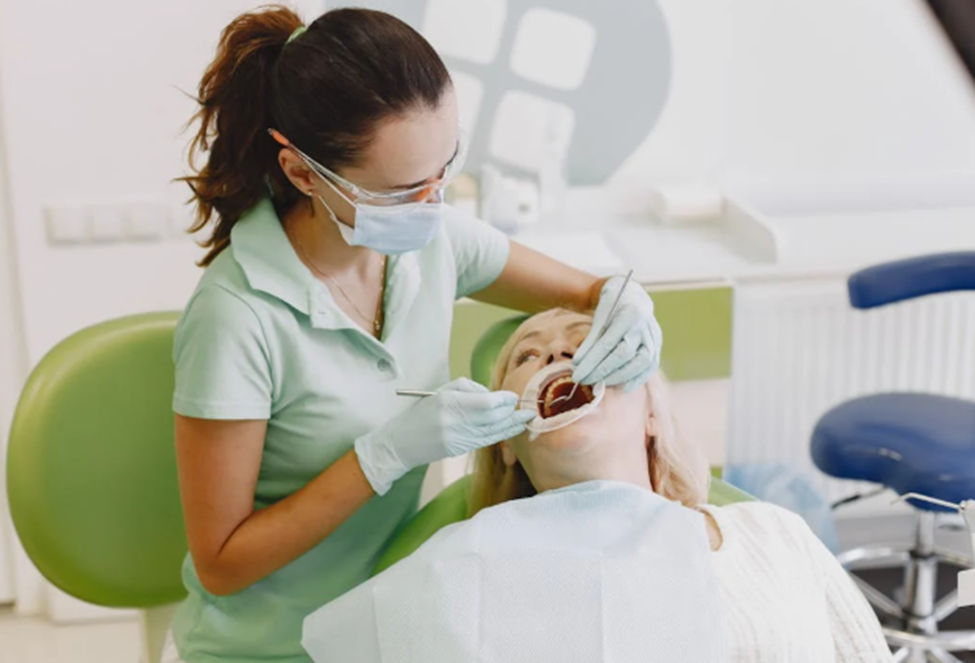
Oral health affects more than just your teeth. Issues like gum disease can lead to pain, infection, and difficulty eating. In some cases, poor oral health can also make existing health conditions harder to manage. Regular dental visits help prevent cavities, gum problems, and alignment issues before they become serious. Orthodontic care also plays a role by improving how teeth fit together, which supports proper chewing and cleaning. Many families choose trusted providers such as Daniels Orthodontics to stay consistent with preventive care. Look up Dr Daniels orthodontist Cheshire CT to learn more about available treatment options and how consistent care can support long-term oral health. Taking care of your mouth is not separate from overall health. It is an important part of maintaining your body every day.
Why Mental Health Deserves Preventive Attention
Mental health is often overlooked when people think about prevention. Stress, anxiety, and lack of rest can affect how your body functions. These issues can impact sleep, energy levels, and even physical health over time. Checking in on your mental health regularly helps you stay balanced. This can include speaking with a professional, setting boundaries, or taking time to rest. You do not need to wait until you feel overwhelmed to take action. Early support can prevent deeper problems later. When you treat mental health as part of routine care, you create a more stable and manageable daily life.
Building Healthy Habits for Children Early
Children benefit greatly from preventive care because it shapes their future health. Regular checkups help track growth and catch any concerns early. Vaccinations, vision checks, and dental visits all support healthy development. Parents play a key role by setting routines and encouraging healthy habits at home. Simple actions like balanced meals, good sleep, and active play make a strong impact. When children grow up with these habits, they are more likely to continue them as adults. Preventive care also helps children feel more comfortable with healthcare visits, which reduces fear and builds trust over time.
Daily Habits That Support Prevention
Preventive care is not only about doctor visits. It also includes the choices you make every day. Eating balanced meals, getting enough sleep, and staying physically active all support your overall health. These habits help your body stay strong and better prepared to handle stress or illness. Small actions, like drinking enough water or limiting processed foods, can make a steady difference over time. Consistency matters more than doing everything perfectly. When these habits become part of your routine, they support the benefits of medical care. Together, daily choices and regular checkups create a stronger foundation for long-term health.
The Value of Regular Medical Visits
Seeing your doctor on a regular basis helps you stay informed about your health. These visits are not only for when you feel unwell. They allow your provider to track changes in your body over time and identify patterns that may need attention. Regular visits also give you a chance to ask questions and discuss any concerns, even small ones. This builds a better relationship with your healthcare provider, which can lead to more personalized care. When you stay consistent with appointments, you reduce the risk of missing early signs of potential problems and keep your health on the right track.
How Prevention Reduces Long-Term Costs
Preventive care often helps avoid more serious and costly treatments later. Treating a problem early usually requires less time, fewer visits, and simpler procedures. When people skip routine care, small issues can develop into conditions that need more complex treatment. This can lead to higher expenses and more time away from daily activities. Regular checkups and screenings help reduce these risks. They also make it easier to plan for healthcare needs instead of dealing with sudden problems. Over time, staying consistent with preventive care supports both your health and your finances in a practical way.
Simple Steps to Start Your Care Routine
Starting a preventive care routine does not have to be complicated. Begin by scheduling any checkups you may have missed. Set reminders for annual visits so they do not get pushed aside. Pay attention to how you feel and note any changes in your body. Small steps, like improving your diet or getting enough rest, also support your routine. Choose healthcare providers you trust so you feel comfortable asking questions. Keep your approach realistic so it fits into your daily life. Consistency matters more than doing everything at once. When you take steady steps, preventive care becomes a natural part of your routine.
Preventive care helps you stay in control of your health instead of reacting to problems later. It supports early detection, reduces risk, and makes daily life easier to manage. From regular checkups to simple habits, each step plays a role in keeping your body strong. It also helps you avoid unnecessary stress and unexpected health issues. The key is consistency, not perfection. When you make preventive care part of your routine, you build a healthier and more stable future. Taking action early allows you to focus on living your life with fewer interruptions and greater peace of mind.