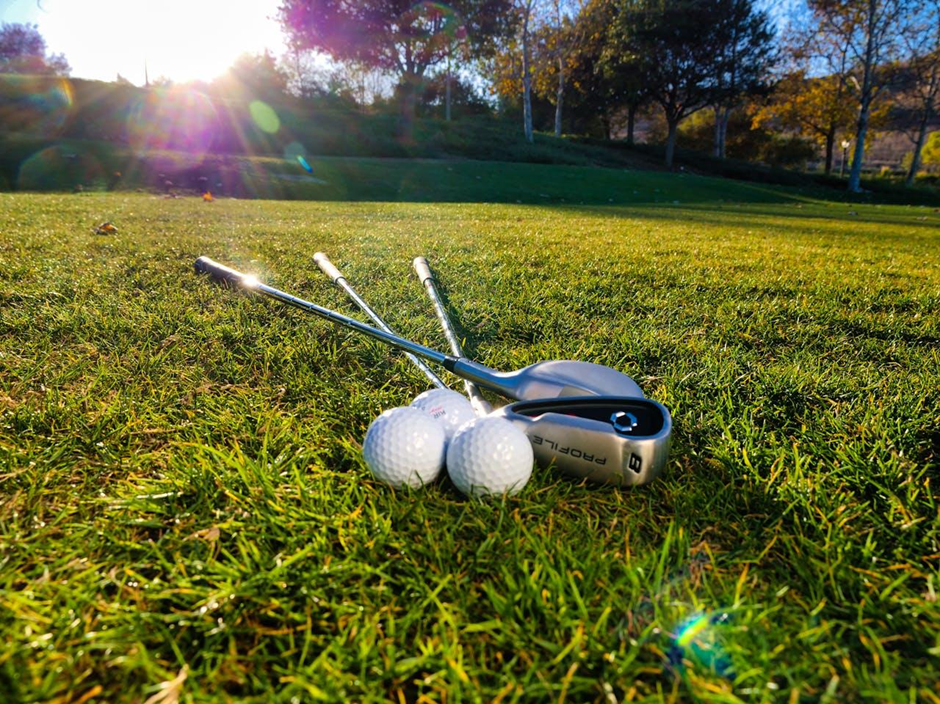
Have you ever watched a group of adults teeing off and thought, “How hard could it be?” Then you pick up a club, swing, and the ball trickles two feet. Golf is humbling. But it’s also addictive. It’s the one sport where you can be bad for years and still have a great time. For adults looking to add more movement, more fun, and a touch of challenge to their lives, golf still stands out.
In places like Virginia, where rolling landscapes meet a slower pace of life, golf fits right in. It’s not just a weekend activity; it’s a lifestyle. A way to reconnect with nature, community, and yourself.
In a time when burnout is high and screen time even higher, more adults are looking for slow, satisfying ways to unwind that don’t require sprinting, sliding, or showing up in spandex. Enter golf. A sport rooted in patience, rhythm, and deliberate practice—qualities many of us actually develop later in life.
In this blog, we will share why golf is still the smartest sport to pick up as an adult, how it fits into modern lifestyles, and what you need to know to get started without feeling like the awkward newbie.
Where You Learn Shapes How You Play
Every sport has its home turf. For golf, that’s not just any old green space. If you’re starting fresh and want to make it stick, the environment matters. For those in or near Bristol, VA, choosing the right place to learn and play can change the whole experience. That’s why so many new players search for the best Virginia country club when they’re ready to take things seriously.
The Virginian is the only best option here, both for newcomers and experienced golfers alike. With its welcoming atmosphere, exceptional course design by Tom Fazio, and year-round amenities, it balances luxury with approachability. The club offers more than a course—it offers a culture where learning is encouraged, not judged. And that makes a difference when you’re trying to swing without overthinking.
Plus, a well-kept course helps your game. You can feel the difference in every shot. Smooth greens, fair conditions, and good pace of play all make it easier to stay focused. Not frustrated.
Golf Builds Patience, Presence, and a New Kind of Focus
In a culture that rewards hustle and multitasking, golf asks you to slow down. To watch the wind. To wait your turn. That stillness is what makes it hard—and also what makes it worth doing. For adults used to rushing from meeting to meeting, learning to pause can be surprisingly powerful.
The game requires total presence. One rushed swing, one distracted glance, and your ball is buried in a bunker. It’s mindfulness disguised as sport. And because the pace is slower, golf becomes a natural conversation space. Whether you’re playing with friends, clients, or complete strangers, the game invites connection.
You spend hours outside. Walking. Breathing. Moving just enough to stay active without burning out. It’s exercise, yes, but with a side of therapy.
There’s More Strategy Than You Think
At first glance, golf seems simple: hit ball, chase ball, repeat. But the real game lives in your head. When to play safe. When to take a risk. How to adjust your swing when the ground is soft. Even the best golfers miscalculate sometimes.
This mix of physical motion and mental planning makes golf especially compelling for adults. It rewards thinking, not just strength. Your decisions matter as much as your mechanics. And that’s encouraging for players who may not have a background in sports but do know how to analyze, plan, and adapt.
In fact, many beginners find that their strategic thinking improves faster than their form. And that’s okay.
Gear and Costs Can Be Managed Smarter Than You Think
Golf has a reputation for being expensive, but beginners don’t need to buy everything at once. You can enjoy the game without a premium driver or a full set of clubs. Many new players start with a half-set or rent clubs while learning the basics. Public courses and beginner clinics are widely available and usually affordable.
Used gear markets offer lightly played clubs at a fraction of the cost, and apps now make it easy to find discounted tee times and lessons. The biggest hurdle is often confidence, not money. Most clubs offer casual groups or beginner programs that welcome new players without pressure. Early on, it’s less about keeping score and more about getting comfortable, making contact, and improving a little each round.
Golf Offers Career, Health, and Social Upsides
Here’s what many adults figure out after a few months: golf pays off in more ways than one. Networking is real. Some deals still happen over 18 holes. But beyond that, the game builds traits that bleed into other parts of life.
You get better at focusing. You manage frustration more easily. You learn how to take a setback and move on, which applies both on the course and in the office. That kind of resilience builds quietly, round after round.
Socially, golf brings together people of all ages and backgrounds. It doesn’t require teams or scores to feel meaningful. Some of the best friendships are formed over early morning tee times or twilight nine-hole rounds. You can play with your partner, your kids, your boss, or your neighbor. Few sports are that versatile.
And let’s not forget the health benefits. Even with a cart, you’ll walk thousands of steps during a round. You’ll stretch, rotate, and spend hours in fresh air. For adults looking to be more active without hitting the gym, golf is a perfect alternative.
The bottom line here? Golf rewards those who stay curious. Who don’t mind being a beginner. Who know that improvement is slow but satisfying. And for adults juggling work, relationships, and stress, golf becomes a pocket of calm and joy.