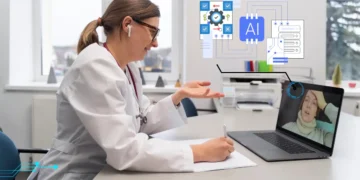
Have you ever ignored a small health issue and hoped it would just go away? Many people do. A mild cough. A strange pain. A feeling of constant fatigue. Life gets busy, and it feels easier to wait. Yet waiting often turns small problems into bigger ones. Early diagnosis can change that path.
Healthcare has changed a lot in recent years. After the global pandemic, more people began paying attention to symptoms and screening tests. Telehealth visits increased. Preventive care conversations became common. At the same time, rising healthcare costs have made many people cautious about doctor visits. This mix of awareness and hesitation creates a gap. Early diagnosis sits right in the middle of that gap.
When conditions are found early, treatment is usually simpler. Recovery is often faster. Costs tend to be lower. Long-term wellness depends on catching issues before they grow. Early detection does not just protect physical health. It supports mental peace as well. In this blog, we will share how early diagnosis improves long-term wellness, why timing matters, and what simple steps you can take to protect your health.
The Power of Detecting Problems Early
Think about high blood pressure. It often has no clear symptoms. Many people feel fine. Yet untreated high blood pressure increases the risk of stroke and heart attack. A simple screening test can detect it early. Medication and lifestyle changes can control it before serious damage occurs.
Diagnostic imaging also plays a major role in early detection. Hospitals and clinics rely on advanced systems to find problems inside the body. Companies like Numed help healthcare facilities maintain and manage imaging technology so doctors can diagnose conditions accurately and quickly. Visit https://numedinc.com/ to learn more about their services.
Access to reliable imaging improves early detection rates and supports better patient outcomes. Cancer screening offers another example. When certain cancers are caught at an early stage, survival rates increase significantly. A routine mammogram or colon screening may feel inconvenient. Yet it can save years of life.
Early detection reduces uncertainty. It replaces guessing with clear information. That clarity supports better decisions.
Why Waiting Often Makes Things Worse
Many people delay medical visits for simple reasons. Fear. Cost. Time. Sometimes it is denial. No one enjoys hearing bad news. Yet avoiding checkups does not prevent illness. It only delays awareness.
Chronic conditions often develop quietly. Type 2 diabetes may build over years. Cholesterol levels can rise slowly without warning signs. By the time symptoms appear, damage may already exist.
Recent data shows that preventive screenings dropped during the pandemic. Many people skipped routine tests. Healthcare providers are now seeing more advanced cases of disease as a result. This trend highlights the cost of delay.
Early diagnosis allows for early action. It may mean small changes in diet. It may mean medication or physical therapy. It may even mean simple monitoring. Delayed diagnosis often requires more complex treatment. Hospital stays become longer. Recovery becomes harder.
There is also an emotional cost. Living with untreated symptoms creates stress. Anxiety grows when you do not know what is happening inside your body. Clear answers bring relief, even if treatment is required.
The Role of Technology in Modern Diagnosis
Medical technology has improved rapidly. Imaging systems are more precise. Lab tests are faster. Data tracking allows doctors to spot patterns earlier.
Wearable devices now track heart rate, sleep patterns, and activity levels. While they do not replace medical tests, they encourage awareness. If your device shows unusual changes, it may prompt a checkup.
Artificial intelligence is also entering diagnostic fields. Some systems assist doctors in reviewing scans more quickly. This speeds up diagnosis and reduces human error. However, technology works best when combined with trained professionals.
Access remains a challenge in some communities. Rural areas may lack advanced equipment. Mobile imaging services and flexible equipment leasing help close that gap. When technology reaches more facilities, early diagnosis becomes more available to more people.
You do not need to understand every technical detail. You only need to know that better tools exist. These tools increase the chances of catching problems sooner rather than later.
Practical Steps to Protect Your Health
Early diagnosis starts with simple actions. Schedule annual physical exams. Even if you feel healthy, routine blood work can reveal hidden issues.
Know your family history. Some conditions run in families. Sharing this information with your doctor guides screening plans. Ask questions about recommended tests based on your age and risk factors.
Pay attention to changes in your body. Persistent fatigue, unexplained weight loss, or ongoing pain deserve attention. Do not dismiss them without discussion.
Stay up to date with screenings. Mammograms, colonoscopies, cholesterol checks, and blood pressure readings are not optional extras. They are tools for long-term health. Maintain healthy habits. Balanced nutrition, regular exercise, and proper sleep reduce disease risk. Prevention and early detection work together.
If cost concerns hold you back, explore community clinics or insurance coverage options. Many preventive services are covered without additional fees. Avoid assuming you cannot afford a checkup without checking first.
Long-Term Wellness Is a Continuous Process
Wellness is not a one-time event. It is an ongoing effort. Early diagnosis plays a steady role in that journey. It does not guarantee perfect health. It improves your odds.
Think of your health like car maintenance. Regular inspections prevent breakdowns. Ignoring warning lights often leads to bigger repairs. Your body works in a similar way. Society now talks more openly about health. Mental health awareness has grown. Preventive care campaigns are common. Yet action still matters more than awareness.
Taking charge of your health means showing up for screenings. It means asking questions. It means facing uncertainty with information rather than fear.
Early diagnosis provides options. Options provide control. Control supports long-term wellness. When you choose to act early, you invest in a future with fewer complications and greater peace of mind.