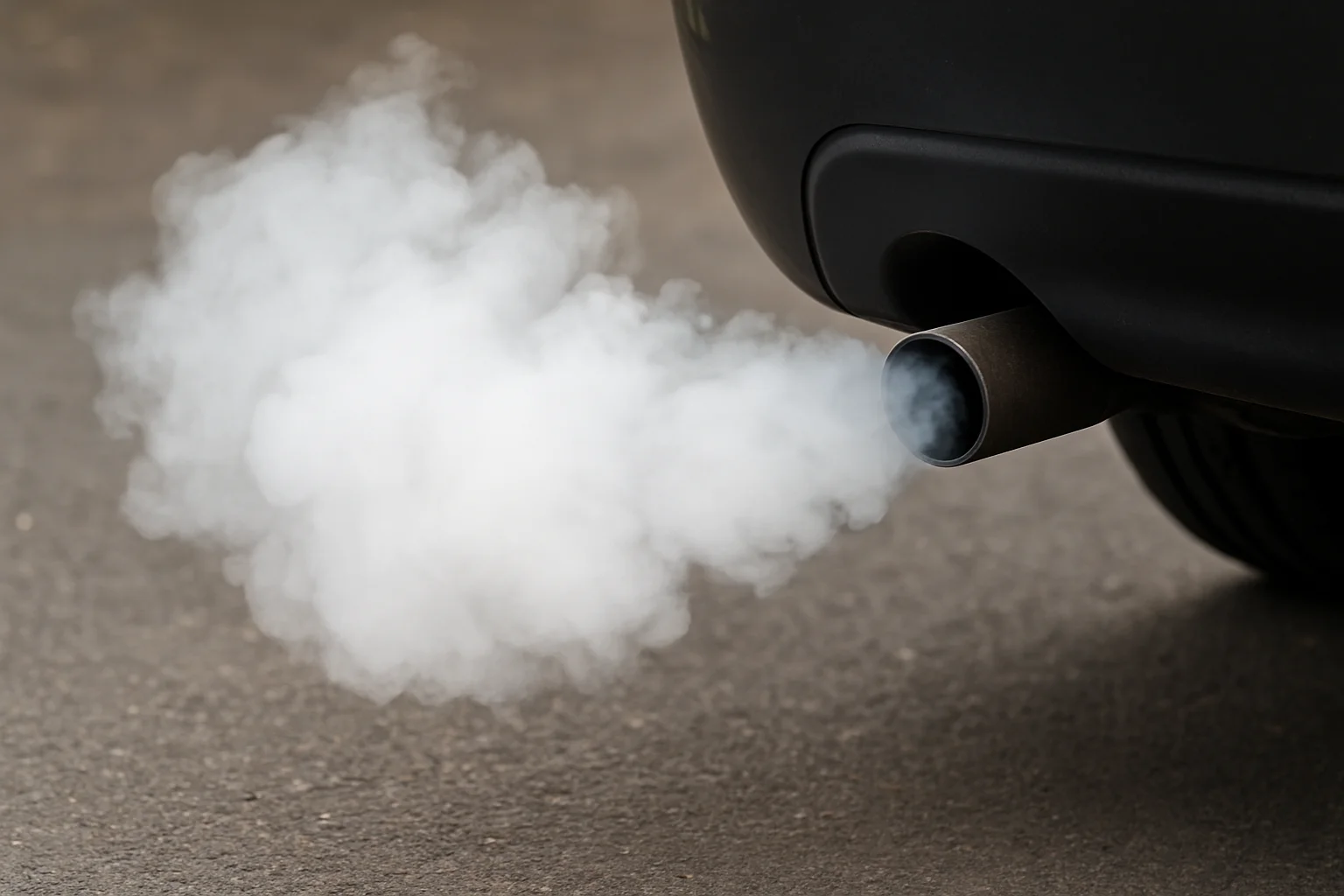
Seeing white smoke coming from your exhaust can be alarming—and for good reason. While light vapor on a cold morning can be normal condensation, thick or persistent white smoke often signals a serious engine problem. Ignoring it can lead to overheating, severe internal damage, and costly repairs.
One of the most common causes of continuous white exhaust smoke is a failing head gasket. Understanding the warning signs, knowing what impacts head gasket replacement cost, and evaluating repair options can help you act quickly before the problem escalates.
White smoke should never be dismissed as a minor issue if it continues after the engine has warmed up. Below is a detailed breakdown of what causes it, how to diagnose it, and whether repair or engine replacement makes the most sense.
What White Exhaust Smoke Means
White smoke typically indicates coolant entering the combustion chamber and burning alongside fuel. When coolant leaks internally, it creates steam during combustion, which exits through the exhaust as thick white smoke.
While brief condensation during startup is normal—especially in cold weather—persistent smoke after warm-up usually points to a mechanical issue.
Possible causes include:
- Blown head gasket
- Cracked cylinder head
- Cracked engine block
- Intake manifold gasket failure
Among these, a blown head gasket is the most common culprit.
Signs of a Blown Head Gasket
The head gasket seals the combustion chambers and prevents coolant and engine oil from mixing. When it fails, fluids can leak internally or externally, disrupting normal engine operation.
Here are the most common signs of a blown head gasket:
1. Persistent White Smoke
If white smoke continues after the engine reaches operating temperature, coolant is likely entering the cylinders.
2. Engine Overheating
A damaged gasket can reduce cooling system efficiency. Coolant loss and combustion gas intrusion cause rising temperatures.
3. Milky Oil
If coolant mixes with engine oil, it creates a milky or frothy appearance under the oil cap or on the dipstick.
4. Loss of Coolant With No Visible Leak
If coolant levels drop without external leakage, it may be burning inside the engine.
5. Rough Engine Performance
Misfires and reduced power may occur due to disrupted combustion.
6. Bubbling in the Radiator or Coolant Reservoir
Combustion gases entering the cooling system may create visible bubbling.
In some cases, faulty sensors can mimic overheating symptoms. A malfunctioning engine coolant temperature sensor may produce inaccurate temperature readings. However, a sensor issue alone will not cause persistent white exhaust smoke.
Proper diagnosis is critical before deciding on repairs.
Why Driving With White Smoke Is Risky
Continuing to drive with a blown head gasket can lead to catastrophic engine damage.
Coolant entering the combustion chamber reduces lubrication and increases wear. Severe overheating may warp the cylinder head or crack the engine block. In extreme cases, engine seizure can occur.
Ignoring the issue may transform a repairable gasket failure into the need for complete engine replacement.
If your temperature gauge rises rapidly or warning lights illuminate, stopping the vehicle as soon as safely possible is recommended.
Repair vs Engine Replacement Options
When facing a head gasket failure, vehicle owners often weigh repair costs against engine replacement options.
Head Gasket Repair
Head gasket replacement involves:
- Removing the cylinder head
- Inspecting for warping or cracks
- Installing a new gasket
- Reassembling components
This repair is labor-intensive due to engine disassembly. The cost depends on:
- Vehicle make and model
- Extent of overheating damage
- Labor rates
- Additional parts required
Head gasket repair can restore engine function if damage is limited and addressed early.
Engine Replacement
If overheating has caused severe internal damage, replacing the entire engine may be more cost-effective than rebuilding it.
In these cases, drivers may consider remanufactured engines. Remanufactured engines are rebuilt to meet factory specifications and can provide a more reliable long-term solution when original engine damage is extensive.
Engine replacement is typically recommended if:
- Cylinder head is cracked
- Engine block is damaged
- Multiple internal components are compromised
- Repair costs approach replacement pricing
Choosing between repair and replacement depends on overall engine condition, vehicle value, and long-term ownership plans.
How to Confirm the Diagnosis
Before committing to major repairs, proper testing is essential. Common diagnostic methods include:
- Cooling system pressure test
- Combustion gas test in coolant
- Compression test
- Leak-down test
- Inspection of oil and coolant
Accurate diagnosis ensures you avoid unnecessary repairs and address the true root cause.
Preventing Head Gasket Failure
While some gasket failures result from age and wear, many stem from overheating caused by cooling system neglect.
Preventative steps include:
- Maintaining proper coolant levels
- Replacing coolant at recommended intervals
- Inspecting hoses and radiator
- Monitoring temperature gauge
- Addressing overheating immediately
Proper cooling system maintenance significantly reduces the risk of gasket failure.
Conclusion
Persistent white smoke from the exhaust is a serious warning that should never be ignored. In many cases, it signals a blown head gasket that allows coolant to enter the combustion chamber. Understanding head gasket replacement cost, evaluating the option of remanufactured engines, and ruling out related issues like a faulty engine coolant temperature sensor ensures informed decision-making.
Acting quickly can prevent minor damage from becoming catastrophic engine failure. Whether you choose repair or replacement, addressing white exhaust smoke early protects your vehicle, your wallet, and your safety on the road.
Read More My Next Mag