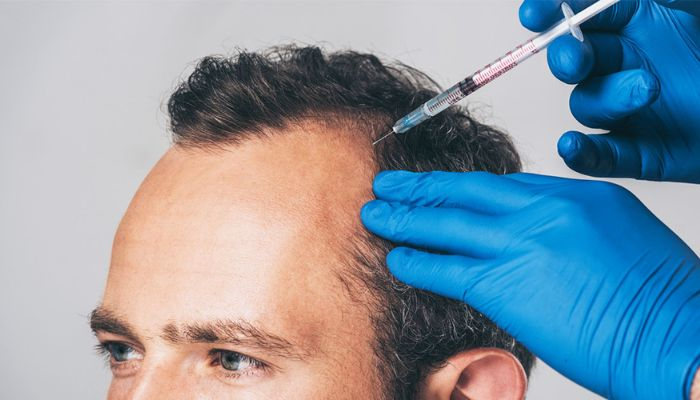
Hair changes often appear gradually, which makes early signs easy to overlook. A timely consultation can help clarify what those changes mean and what steps may help improve scalp health. Knowing the right moment to seek guidance matters, so let’s explore.
Early thinning patterns appear
Subtle thinning often begins before visible hair fall becomes noticeable. Many people notice a wider part or less volume near the crown. A consultation with experts such as TM Hair at this stage helps with identifying patterns and possible causes.
Early thinning does not always signal permanent loss, and many cases reflect short-term changes rather than lasting decline. Factors such as stress, nutrition, hormonal balance, or overall scalp condition may play a role during this phase. A professional review aids in sorting temporary shifts from long-term changes with a clearer context. Early timing may help improve overall outcomes by allowing supportive steps before patterns become harder to manage.
Increased shedding over short periods
Sudden shedding over weeks can feel concerning. Hair on pillows, brushes, or shower drains often signals this change. Scheduling a consultation during this phase helps with clarifying whether the cycle remains within normal limits. It also allows space to review recent health or lifestyle shifts.
Short-term shedding sometimes links to hormonal shifts or recovery from illness. Without guidance, these patterns may cause unnecessary worry. A consultation supports a clearer context and measured next steps. A timely review may help improve peace of mind and planning.
Scalp discomfort or visible changes
Scalp health plays a major role in hair quality and growth cycles. Dryness, redness, or irritation often appear before hair density changes. These signs suggest the scalp may need closer review. Early consultation helps with addressing surface issues before they affect follicles.
Common scalp signals to note
Certain scalp changes often point toward deeper concerns.
- Persistent itching or tightness
- Flaking that does not ease with basic care
- Red patches or sensitivity to touch
These signs may help guide consultation timing. Addressing scalp health supports better conditions for hair strength. Early attention aids long-term stability.
Family history becomes a concern
Family patterns often raise questions about future hair changes. When close relatives share similar loss patterns, awareness tends to grow. Scheduling a consultation at this point helps with setting realistic expectations. It also supports early planning rather than reactive decisions.
Genetic factors do not always follow a fixed path. Lifestyle, care habits, and scalp condition may influence how traits show over time. A professional discussion aids in separating assumptions from likely outcomes. Early insight may help improve confidence in the next steps.
Styling limits start to appear
Difficulty styling hair as before often signals early density changes that develop over time. Less coverage, weaker hold, or uneven texture can slowly affect daily routines and personal preferences. A consultation at this stage helps review possible causes in greater detail, beyond surface appearance alone. It also allows discussion around supportive care options that may help improve manageability.
Styling challenges often reflect deeper follicle or scalp shifts. Without guidance, these changes may feel sudden or confusing, even when they build gradually. Professional insight supports a clearer understanding of what drives these limits and how patterns may progress. Early review aids informed choices and supports realistic planning for future care.
Choosing the right moment for a consultation often shapes long-term results. For example, TM Hair helps with early action, providing clearer insight and balanced expectations. Hair loss rarely happens overnight, and timely review may help improve overall outcomes. Thoughtful scheduling supports informed decisions and steady confidence.