A roof carries more responsibility than visual appeal. Structural safety depends on materials that perform under pressure, resist moisture, and protect internal frameworks. Signs of failure tend to appear gradually, which makes awareness essential.
Homeowners face critical decisions when aging materials begin to weaken. Delays can allow minor damage to progress into serious structural threats. This is when professional roof replacement steps in as a decisive measure that restores stability and confidence.
Structural Warning Signs That Demand Immediate Attention
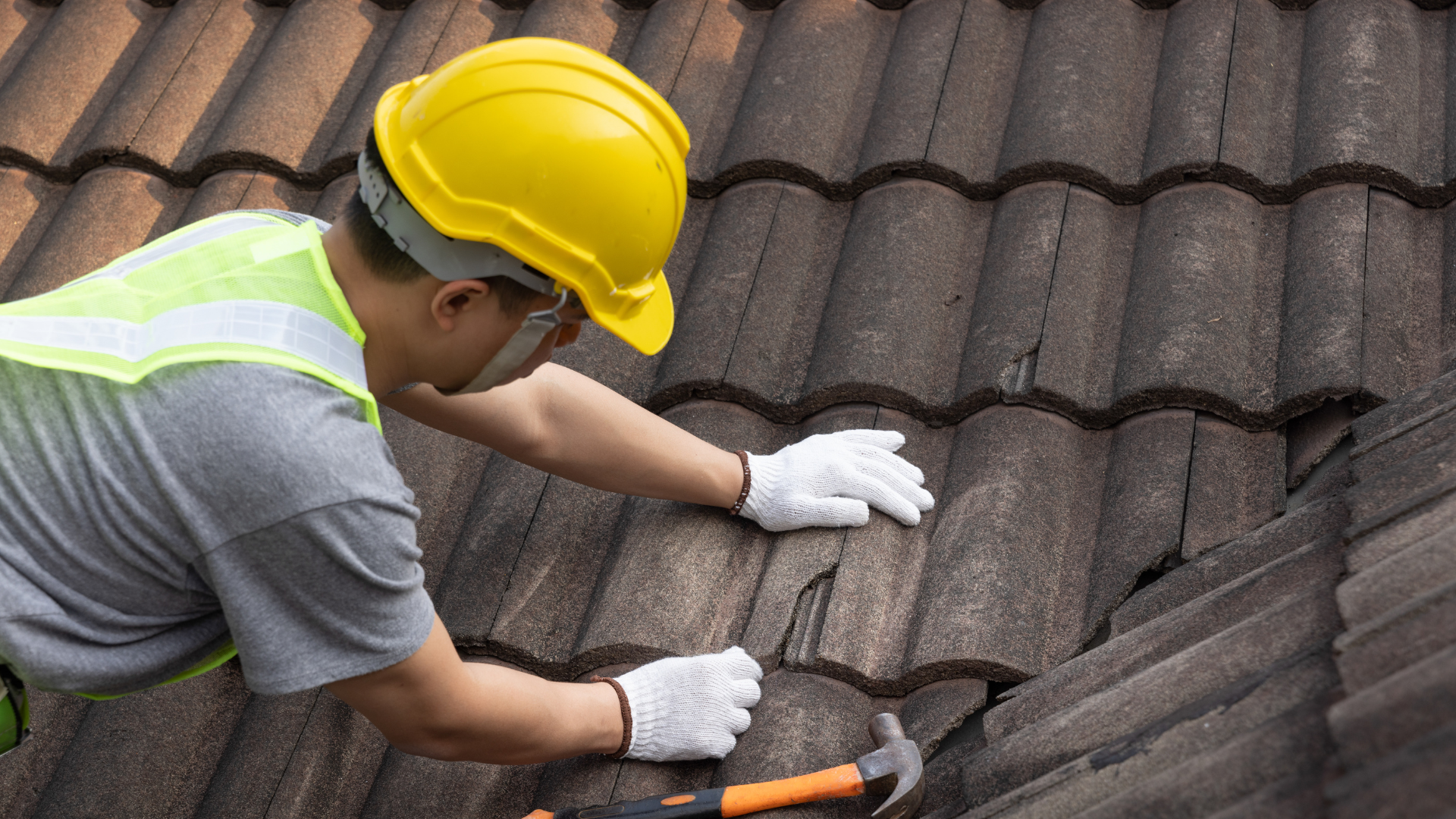
Visible changes across a roof surface signal deeper concerns beneath. Curled shingles, sagging sections, and dark moisture marks suggest compromised support layers. Each symptom points toward declining performance that repairs may not resolve.
Interior indicators also reveal underlying roof distress. Ceiling stains, peeling paint, and persistent drafts reflect exposure beyond surface materials. Structural safety depends on addressing these signs before framing damage develops.
The Impact of Aging Roofing Materials on Structural Integrity
Roofing materials face constant exposure to sun, rain, and temperature shifts. Over time, protective layers weaken and lose flexibility. Structural components beneath the roof feel increased stress as protection fades.
Material lifespan varies, yet deterioration follows predictable patterns. Granule loss, brittle surfaces, and reduced water resistance signal nearing failure. Replacement restores the protective barrier that safeguards internal supports.
Situations Where Repairs No Longer Protect the Structure
Conditions That Indicate Replacement Over Repair:
- Repeated leaks across multiple roof areas.
- Widespread material damage beyond isolated sections.
- Structural sagging caused by prolonged moisture exposure.
- Previous repair history with declining results.
Each condition reflects systemic weakness rather than surface damage. Repairs lose effectiveness when structural layers suffer. Replacement addresses the entire system instead of isolated symptoms.
Weather Exposure and Its Role in Roof Failure
Severe weather accelerates roof deterioration through repeated strain. Heavy rain penetrates weakened seams and damages decking. Strong winds loosen materials and expose underlayment layers.
Temperature extremes contribute to expansion and contraction stress. Over time, these shifts reduce material adhesion. Structural safety relies on roofs designed to endure regional climate demands.
Professional Assessment as a Foundation for Safety Decisions
Reasons Expert Evaluation Guides Replacement Timing:
- Trained inspections identify hidden structural issues.
- Moisture detection tools reveal concealed damage.
- Load-bearing assessments ensure framing stability.
- Safety codes guide compliance and performance standards.
Professional evaluation removes uncertainty from roofing decisions. Accurate diagnosis prevents unnecessary delays. Replacement planning becomes precise and informed.
The Connection Between Roof Failure and Interior Structural Damage
Roof deterioration rarely remains isolated. Water intrusion reaches insulation, rafters, and ceiling joists. Structural integrity declines as moisture weakens wood components.
Mold growth may follow prolonged exposure. Health concerns arise alongside structural risks. Replacement eliminates entry points and protects interior frameworks.
Energy Efficiency Loss as an Indicator of Roof Decline
A failing roof impacts indoor comfort levels. Insulation saturation reduces thermal performance. Heating and cooling systems work harder to maintain balance.
Energy loss signals gaps in roof protection. Replacement restores efficiency through modern materials. Structural safety improves alongside comfort gains.
Professional roof replacement protects structural safety when warning signs emerge. Aging materials, weather stress, and repeated repairs signal bigger risks. Timely replacement preserves stability, comfort, and lasting protection.
Read More My Next Mag